


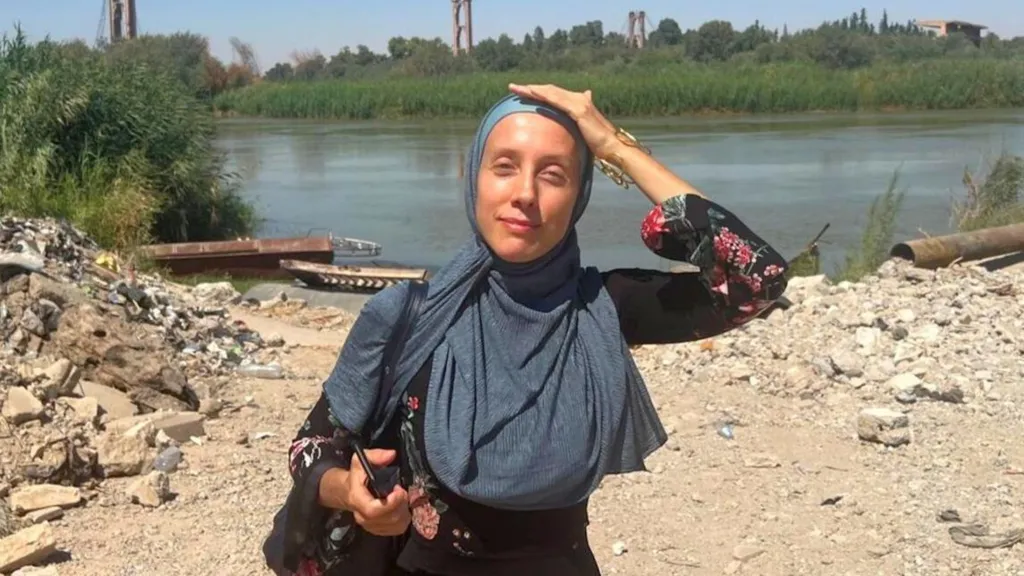
A U.S. freelance journalist, Sally Kittleson, has been abducted in Iraq’s capital, Baghdad, triggering an urgent joint response from American and Iraqi security agencies.
According to Daljoog News analysis, the incident exposes ongoing vulnerabilities in Iraq’s security system, especially in areas where armed groups maintain influence beyond state control.
The abduction comes at a sensitive time, as Iraq continues efforts to stabilize its internal security while managing the presence of Iran-linked militias across key regions.
What Happened?
Sally Kittleson was kidnapped on March 31 in the evening hours outside a hotel in central Baghdad. The location, a relatively busy urban zone, has raised concerns about how such an operation could be carried out in plain sight.
Iraqi security forces moved quickly after receiving intelligence inputs. Authorities say they tracked suspects and pursued a vehicle believed to be linked to the kidnapping. During the chase, the vehicle overturned, leading to the arrest of at least one suspect.
Officials have not disclosed the identity of the detainee or confirmed the group responsible. No organization has claimed responsibility so far.
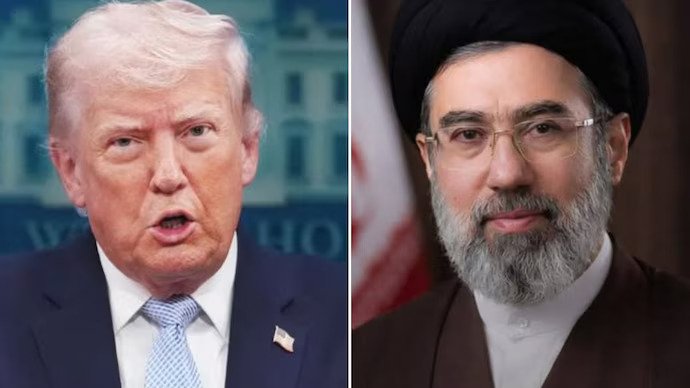
However, the U.S. State Department has suggested that Iran-aligned militias, including Kataib Hezbollah, may be involved. While this claim remains unverified, such groups have a documented history of targeting U.S. interests in Iraq.
Kittleson had been working as a freelance journalist and recently contributed to Al-Monitor. She has reported extensively from conflict zones, including Iraq, Syria, and Afghanistan.
Multiple U.S. agencies, including the FBI, National Security Council, State Department, and special operations units, are now coordinating with Iraq’s Counter Terrorism Service to locate and recover her.
Why This Matters
The abduction highlights a persistent security gap in Iraq, particularly for foreign nationals and journalists working on sensitive issues.
Although Iraq has made progress in stabilizing major cities, the continued presence of armed non-state actors complicates law enforcement efforts. These groups often operate with autonomy, making it difficult for authorities to maintain full control.
For the United States, the case carries diplomatic and strategic implications. If Iran-backed groups are confirmed to be involved, it could heighten tensions between Washington and Tehran.
The incident also underscores the risks faced by journalists reporting from volatile regions. Those covering militia activity or regional politics often operate under constant threat.
What Analysts or Officials Are Saying
U.S. officials have treated the case as a high priority but have avoided making definitive public accusations. They continue to monitor potential links to militia networks.
Security experts believe the operation appears organized, suggesting planning and coordination rather than a spontaneous act. The ability to carry out the abduction in a populated area indicates confidence and local knowledge.
Kittleson’s colleague, Alex Plitsas, has revealed that she had received multiple warnings about security risks. U.S. officials reportedly cautioned her about potential threats, including one warning issued shortly before the abduction.
Analysts say such warnings usually come from credible intelligence, raising questions about whether the threat level was fully assessed on the ground.
Daljoog News Analysis
The incident reflects a deeper issue within Iraq’s security framework. While government forces have regained some authority, parallel networks of armed groups still operate with significant influence.
If militia involvement is confirmed, the abduction may carry broader geopolitical signals. Targeting an American journalist could be interpreted as a message tied to regional tensions rather than an isolated act.
There is also a recurring pattern in conflict reporting where experienced journalists continue to operate in high-risk environments despite escalating warnings. This case illustrates how even seasoned professionals can face rapidly changing threat dynamics.
The response from U.S. agencies will be critical. A swift and effective recovery could reinforce deterrence, while delays may encourage similar incidents.
At the same time, Iraqi authorities face pressure to prove that they can maintain security in the capital. Their handling of this case will likely shape international confidence in Iraq’s stability.
What Happens Next
Investigations are expected to intensify in the coming days. Iraqi and U.S. intelligence agencies will likely focus on interrogating the detained suspect and mapping potential networks behind the operation.
Further raids and surveillance activities may follow if new leads emerge. Authorities are expected to expand their search efforts across Baghdad and possibly beyond.
Diplomatic coordination between Washington and Baghdad will remain crucial as both sides attempt to manage the situation carefully.
The immediate goal is the safe recovery of Kittleson. Beyond that, the case may push both governments to reassess security measures for foreign nationals and journalists operating in Iraq.
For now, the abduction serves as a clear warning that security risks in Iraq remain unresolved, even in areas once considered relatively stable.