



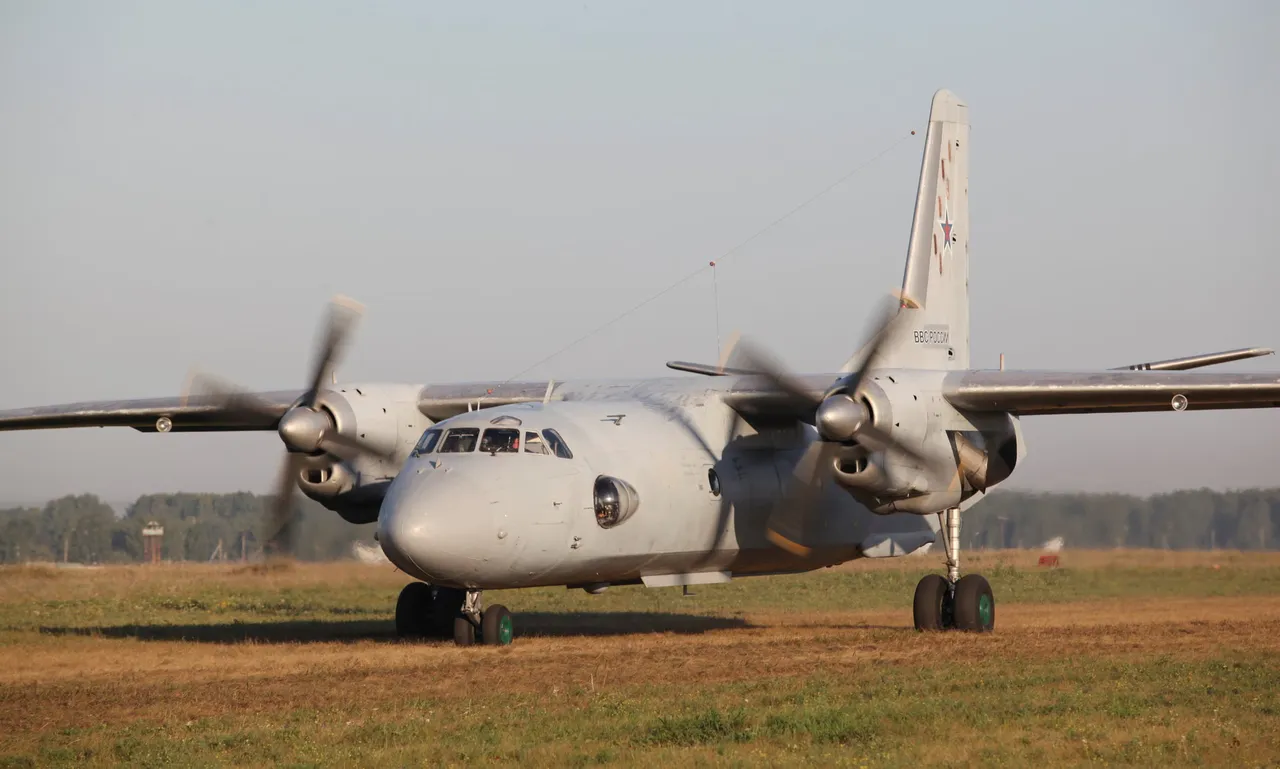
A Russian military transport aircraft has crashed in the mountainous region of Crimea, killing all 29 people on board, according to official statements from Moscow.
According to Daljoog News analysis, early findings point to a technical failure rather than an external attack. However, the incident raises renewed concerns about aging military aircraft still in active service.
The crash comes as Crimea remains a sensitive and militarized zone, making any aviation incident there subject to both operational and geopolitical scrutiny.
What Happened?
The aircraft involved was an Antonov AN-26 military transport plane. It went down on March 31 at around 6:00 p.m. local time while flying over Crimea.
Russian defense officials reported that the plane lost contact with air traffic control before disappearing from radar. Search and rescue teams were quickly deployed and later located the crash site in a mountainous forest area.
All 29 individuals on board were confirmed dead, including 23 passengers and six crew members. Authorities said all victims were military personnel or individuals linked to the armed forces.
Initial investigation findings indicate that the aircraft collided with a steep mountainside. Officials noted that there were no signs of external damage on the wreckage.
This has led investigators to rule out the possibility of a missile strike, drone attack, or bird strike at this stage. Early assessments suggest a technical malfunction as the most likely cause.
A government commission has been formed to carry out a full investigation. Recovery operations are ongoing, with military investigators, forensic experts, and emergency responders working at the crash site.
Why This Matters
The crash highlights ongoing risks posed by older military aircraft still in operation in Russia’s fleet.
The AN-26 is a Soviet-era design that has been used for decades in military transport roles. While reliable in its time, the aircraft’s age raises questions about maintenance standards and operational safety.
In a region like Crimea, where military activity remains high, aviation incidents carry additional weight. Even accidents unrelated to conflict can influence perceptions of readiness and capability.
The loss of 29 personnel also represents a significant operational setback, particularly if those on board were involved in active duties or logistical support.
[Category Page]
What Analysts or Officials Are Saying
Russian defense officials have emphasized that there is no indication of external interference. Their preliminary findings suggest the crash was caused by internal technical issues.
Aviation experts note that older aircraft like the AN-26 require rigorous maintenance to remain airworthy. Failures in mechanical systems, navigation equipment, or pilot response can all contribute to accidents in challenging terrain.
Analysts also point out that mountainous regions increase the risk of controlled flight into terrain, especially if visibility or onboard systems are compromised.
Past incidents involving the same aircraft model have added to safety concerns. The AN-26 has been involved in multiple fatal crashes in recent years across different countries.
Daljoog News Analysis
This crash reflects a broader structural issue within military aviation fleets that rely heavily on legacy aircraft.
While such planes remain functional, their continued use often depends on consistent maintenance and modernization efforts. Any gap in these areas can quickly turn routine operations into fatal incidents.
The absence of external damage in this case shifts attention toward internal systems and operational procedures. It raises questions about whether enough investment has been made to upgrade or replace aging platforms.
In the context of Crimea, the incident also carries symbolic weight. Even if unrelated to conflict, it exposes vulnerabilities in a region that Russia considers strategically critical.
There is also a pattern emerging across multiple countries where older transport aircraft continue to face safety challenges. This suggests a wider issue in military aviation planning and resource allocation.
What Happens Next
Investigators will focus on analyzing flight data, maintenance records, and crew communication to determine the exact cause of the crash.
The commission formed by the Russian defense ministry is expected to provide a detailed report in the coming weeks. Its findings could lead to changes in operational procedures or fleet management.
Recovery efforts at the crash site will continue until all remains and key evidence are secured. Authorities are likely to expand forensic analysis as more data becomes available.
In the longer term, the incident may prompt a review of aging aircraft still in service, particularly those operating in high-risk environments.
For now, the priority remains understanding what went wrong and preventing similar tragedies in the future.