

Tensions in the Persian Gulf have escalated as the United States moves to secure 450 kilograms of highly enriched uranium from Iran. Washington claims this uranium could be used to develop nuclear weapons, prompting fears of a major military confrontation.
According to Daljoog News analysis, Iran is far from unprepared. Decades of investment in advanced military infrastructure and strategic depth give Tehran a significant advantage in defending its nuclear assets.
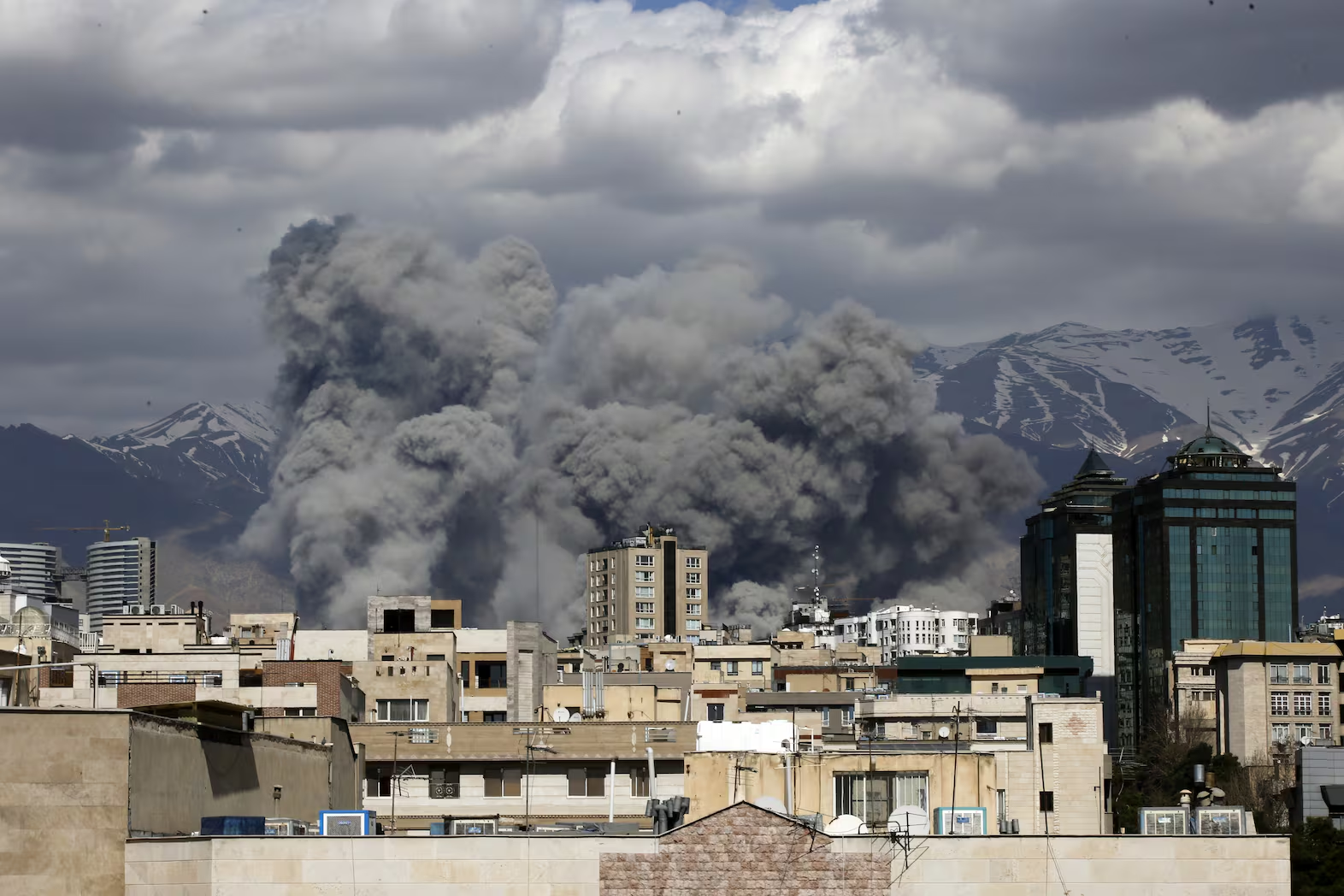
The timing of this crisis is critical. Any U.S. operation on Iranian soil would face both logistical and human obstacles, with the potential to ignite a wider regional conflict that could disrupt global security and energy markets.
What Happened?
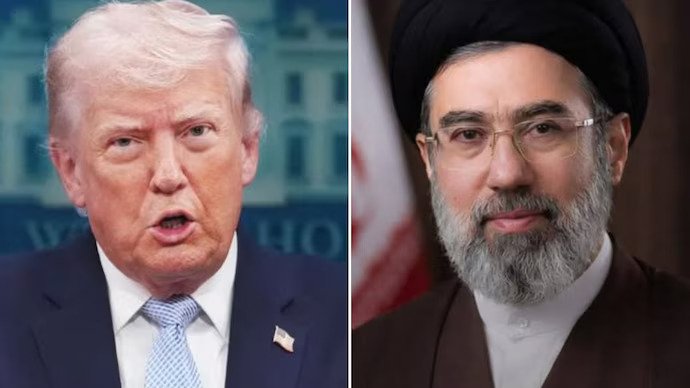
The U.S., under directives issued during Donald Trump’s administration, has identified Iran’s uranium stockpile as a potential nuclear threat. Plans reportedly include deploying troops to seize the material directly from fortified nuclear sites.
Iran has invested heavily in defensive measures over the past 40 years. Its military strategy combines modern weaponry with decades of tactical experience, preparing for precisely this type of incursion. The Revolutionary Guard Corps (IRGC) leads the defense, supported by elite missile units, snipers, and specialized terrain forces.
Iranian nuclear facilities are protected not only above ground but deep inside mountains and tunnel networks, designed to confound intruders. Any attempt to extract uranium would likely confront traps, maze-like tunnels, and the possibility of the Iranians destroying critical infrastructure to prevent seizure.
Why This Matters
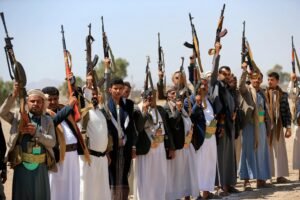
The operation, if attempted, would not only be a military challenge but a geopolitical flashpoint. Tehran claims it has nearly one million fighters ready, including Basij volunteers, militias, and paramilitary units. The sheer size of these forces, combined with knowledge of local terrain, could transform any operation into a protracted and deadly campaign.
Beyond the battlefield, Iran has warned that attacks on its territory could trigger broader disruptions, including closure of the Strait of Hormuz and the Bab el-Mandeb. Such moves would immediately affect global oil supply and markets, potentially sparking an economic crisis worldwide.
What Analysts or Officials Are Saying
Former NATO Commander Admiral James Stavridis has called a U.S. seizure mission of this scale “the largest special forces operation imaginable,” citing the logistical and tactical challenges. Experts stress that tunnels and mountainous terrain give Iranian forces a decisive advantage in defensive operations.
Security analysts also note Tehran’s strategic messaging: any foreign attempt to seize uranium could prompt asymmetric responses across multiple Middle Eastern fronts, putting allied U.S. bases at risk and escalating the conflict far beyond the initial target.
Daljoog News Analysis
This standoff highlights the tension between technological superiority and local strategic advantage. The U.S. may dominate in airpower and special operations capability, but Iran’s geography, tunnel networks, and human resources significantly complicate any intervention.
A seizure attempt would likely be a prolonged, high-risk mission. The Iranian strategy emphasizes attrition, territorial familiarity, and the use of underground defenses. In short, any misstep could trigger a chain reaction of military, economic, and political consequences throughout the region.
The warning from Tehran is clear: an attempt to remove the uranium could ignite a broader conflict, potentially destabilizing the Persian Gulf and endangering global trade, energy markets, and international security.
What Happens Next
The situation remains highly volatile. U.S. forces may continue planning and intelligence operations, but Iran’s readiness, terrain advantages, and population mobilization make success uncertain and extremely costly.
Observers will watch for troop movements, missile deployments, and Tehran’s regional responses. The stakes are not limited to Iran or the U.S.; the outcome could reshape Middle Eastern geopolitics and affect global economic stability for years.
Daljoog News will continue monitoring developments as both sides weigh military, political, and strategic calculations in this unfolding crisis.