



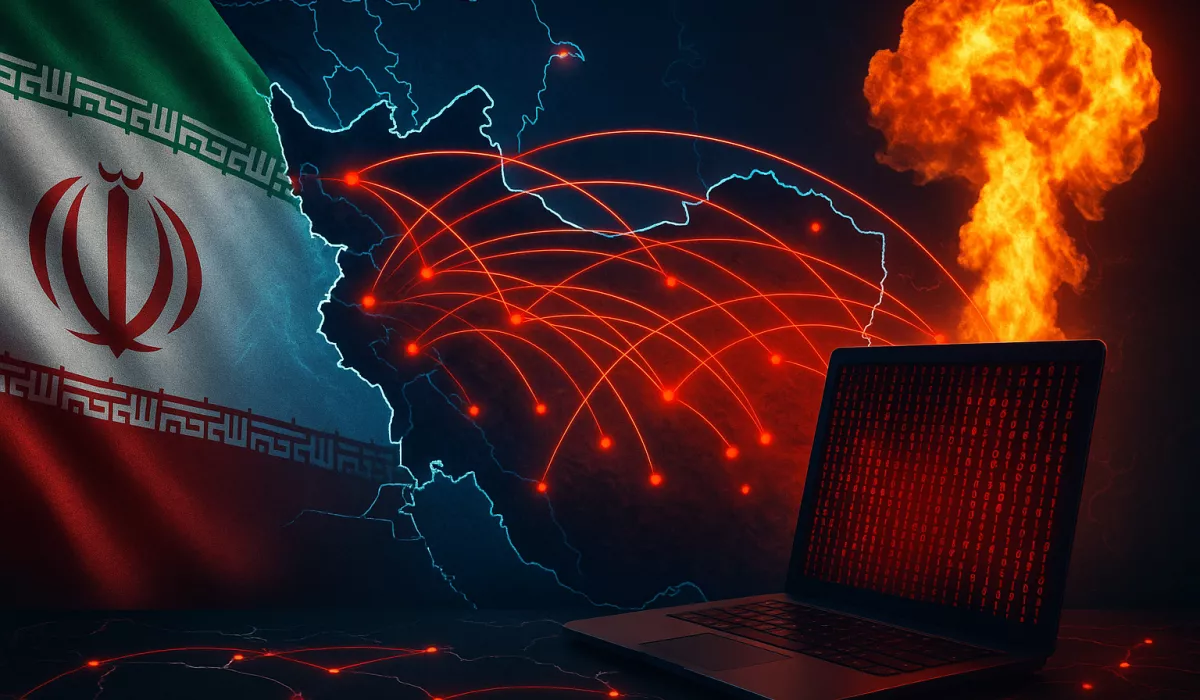
Iran has reportedly carried out a cyberattack on Oracle data centers in the United Arab Emirates, targeting critical U.S. and Israeli military infrastructure. The operation demonstrates Tehran’s strategic shift from conventional strikes to digital warfare.
According to Daljoog News analysis, this attack represents a calculated move to disrupt the command and control systems behind modern military operations. By striking the digital backbone of adversary networks, Iran is signaling that future conflicts may be waged as much in cyberspace as on physical battlefields.
The timing and choice of target highlight the increasing importance of data, cloud computing, and AI in global security. Oracle, often described as the backbone of military and intelligence digital infrastructure, is central to mission planning, surveillance, and operational decision-making.
What Happened?
Reports indicate that Iranian cyber forces focused on Oracle’s UAE-based data centers, which support U.S. military programs such as the Pentagon’s Joint Warfighting Cloud Capability. These platforms integrate sensitive intelligence, operational planning, and AI-driven analytics, providing real-time support for U.S. and allied missions.
Tehran framed the attack as a retaliatory measure, emphasizing that the modern battlefield is no longer limited to missiles or conventional weapons. By targeting critical IT infrastructure, Iran aims to disrupt the data flow that underpins military and intelligence operations, signaling a new front in the Middle East conflict.
Oracle’s systems also support Israeli military initiatives, making the UAE-based centers a strategic choke point. Analysts suggest that such attacks could temporarily hinder operational planning, surveillance, and AI-driven military decision-making.
Why This Matters
The attack marks a significant escalation in cyber warfare, demonstrating how state actors can bypass physical battlefields and strike directly at the digital “brains” of their adversaries. Modern militaries rely heavily on cloud platforms, AI analytics, and centralized data centers, making them high-value targets.
This move signals a broader shift in regional conflicts where conventional military power is complemented—or even challenged—by cyber capabilities. Disrupting these systems could have long-term operational, political, and strategic consequences, potentially altering the balance of power in the Middle East.
Experts note that targeting data and IT infrastructure introduces a new layer of risk for both military and civilian systems, including potential spillovers affecting commercial operations.
What Analysts or Officials Are Saying
Security analysts describe the attack as a warning that cyber operations can serve as a potent tool for deterrence and retaliation. By striking Oracle, Iran is not merely attacking software but disrupting the digital architecture that supports intelligence and military decision-making.
Officials point out that modern warfare increasingly hinges on information dominance. The ability to control, manipulate, or deny data can be as decisive as controlling territory. Analysts argue that Iran’s focus on data centers highlights vulnerabilities in global defense networks that rely on centralized digital platforms.
Daljoog News Analysis
This incident illustrates how cyber operations are evolving into primary instruments of state power. By targeting data infrastructure rather than conventional assets, Iran signals that future conflicts may increasingly be decided in cyberspace.
The attack also emphasizes the strategic significance of private technology companies in modern warfare. Firms like Oracle now play a critical role in national security, blurring the lines between commercial IT services and military capabilities.
Daljoog News analysis suggests that such cyber operations can have long-term implications beyond immediate disruption. They challenge assumptions about military dominance, introduce new deterrence dynamics, and could redefine the rules of engagement for future conflicts.
What Happens Next
Immediate priorities include assessing the extent of the damage and restoring the affected systems. U.S. and Israeli cybersecurity teams are likely to enhance defenses and countermeasures to prevent further disruption.
The incident signals that Middle Eastern conflicts will continue to expand into digital and cyber domains, with data centers, cloud networks, and AI platforms becoming frontline assets. Nations reliant on centralized digital infrastructure may now face a dual-threat environment, where both kinetic and cyber operations determine strategic outcomes.
As this conflict evolves, control over information may become the decisive factor in both regional security and global geopolitics, reshaping the nature of modern warfare.