


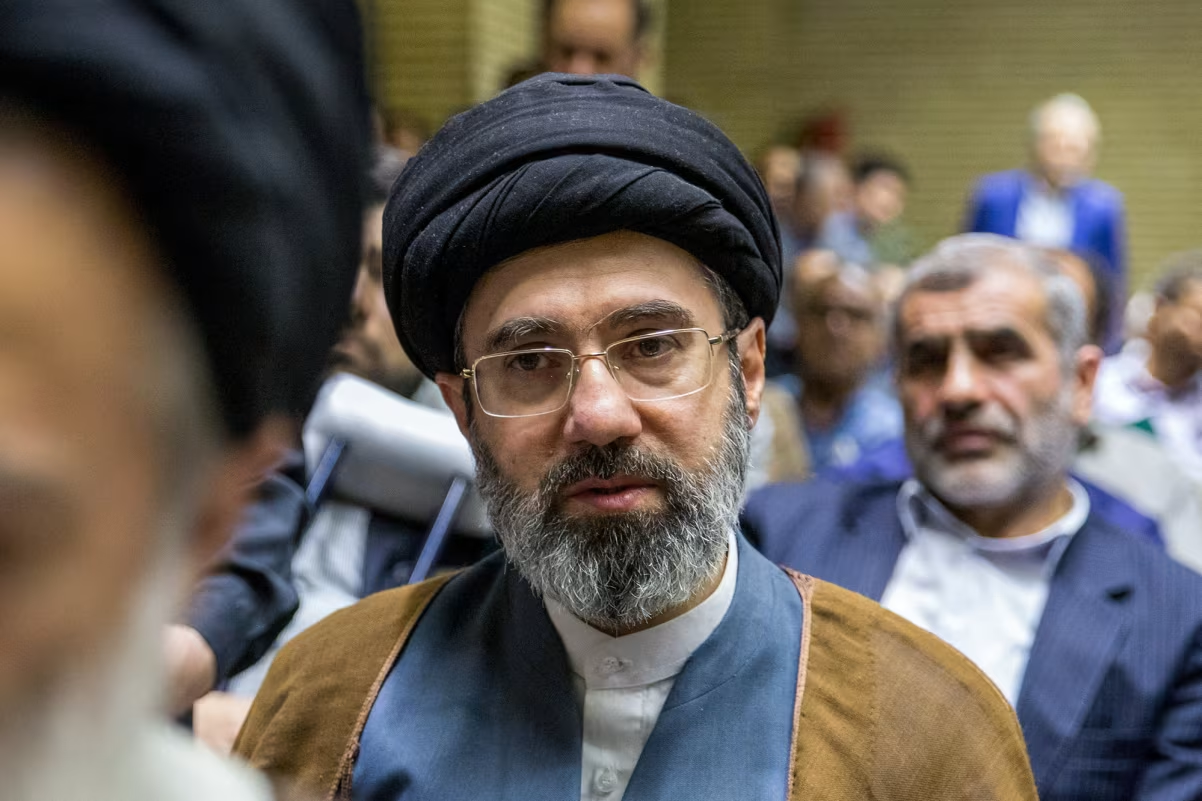
Iran appears to be entering a new political chapter as images of Mostafa Khamenei replace his father’s across Tehran. From outside, it may look like a generational shift, but deeper signals suggest the real power dynamics remain intact.
According to Daljoog News analysis, the rise of the new supreme leader is less about reform and more about consolidating existing military and security structures. Real authority appears to reside behind the scenes, shaping Iran’s strategic and domestic policies.
The timing of this leadership transition coincides with heightened global scrutiny. U.S. officials and foreign observers are watching closely, especially regarding Iran’s nuclear ambitions and regional posture.
What Happened?
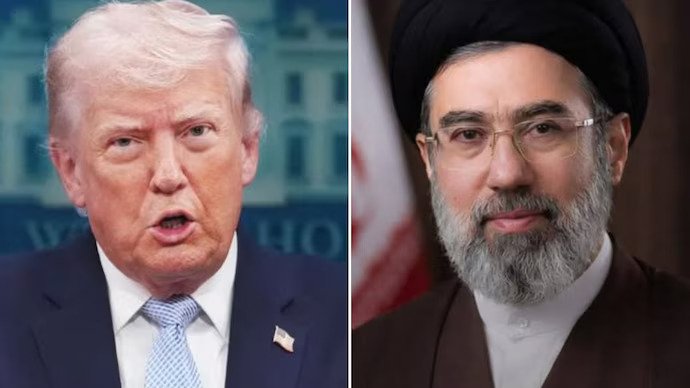
U.S. President Donald Trump publicly declared that Iran’s old leadership is gone, implying a more flexible and rational government now occupies Tehran. However, analysts caution that leadership change in name does not automatically mean systemic reform.
In Tehran, banners display Mostafa Khamenei in a position of prominence alongside his father, Ayatollah Khamenei, signaling continuity rather than radical departure. While he is officially the new supreme leader, the practical authority is heavily tied to elite security and military units, which underpin his position.
Observers note that the power structures behind the throne—the Revolutionary Guard and other security branches—effectively control decision-making. The new leader’s authority is intertwined with their loyalty, suggesting that real policies may continue along established lines despite the apparent generational handover.
Why This Matters
The leadership change could be misleading for international diplomacy. While the West may hope for moderation, the entrenched military influence implies continuity in strategic priorities, particularly concerning nuclear development.
Analysts warn that Iran’s current rulers are increasingly defensive and aggressive, perceiving threats from the U.S. and Israel. The internal structure gives disproportionate leverage to military elites, reducing the likelihood of independent policy decisions from the nominal political leadership.
For foreign policymakers, misreading Iran’s internal hierarchy could result in flawed strategies, whether in negotiations, sanctions, or regional military planning. Understanding who truly holds the levers of power is crucial for accurate risk assessment.
What Analysts or Officials Are Saying
Experts like Mona Yakubian describe the leadership change as “the flip side of the same coin.” Mostafa Khamenei owes more to the military establishment than to political ideals, making armed forces the decisive factor in Iran’s domestic and international behavior.
Ali Vayes highlights a heightened sense of paranoia within the regime, likening it to a wounded predator that responds aggressively to perceived threats. Analysts note that the new leadership is prioritizing nuclear capability as a means of deterrence, moving away from the prior religious prohibitions against atomic weapons.
U.S. officials, including Senator Marco Rubio, offer cautious assessments. While praising the Iranian people, they underscore the risks posed by a leadership dependent on military loyalty rather than institutional reform.
Daljoog News Analysis
The real story is not the ceremonial succession but the structural power that defines Iran’s decision-making. The new supreme leader may symbolize change, but the military elite effectively determine policy outcomes, especially regarding nuclear ambitions and foreign engagement.
This consolidation of power suggests that any expectation of moderation could be misplaced. Iran’s strategic posture, particularly its nuclear strategy, may now follow a more aggressive North Korea-style model, with the leadership leaning heavily on military advisors to navigate international threats.
While optics signal generational renewal, the underlying dynamics point to continuity, with military influence dominating over political innovation. For global observers, the lesson is clear: focus on institutions, not just faces.
What Happens Next
Monitoring Iran’s nuclear program and military decisions will be key indicators of policy direction. The new leadership is likely to maintain a firm stance on uranium enrichment as a strategic safeguard.
Diplomatic engagement may require nuanced understanding of who actually makes decisions behind the ceremonial leadership. Any dialogue or negotiation must account for the influence of military elites.
As global attention focuses on Iran, distinguishing between symbolic leadership changes and real centers of power will remain critical for both policy makers and analysts alike.