



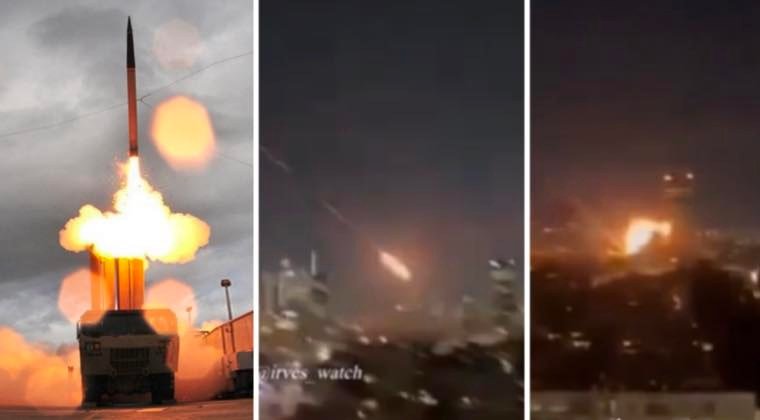
The skies over the Middle East recently showcased an extraordinary display as Iran launched a trio of missiles capable of evading multiple defense systems. These weapons, moving 10 to 13 times faster than sound, have caught the world’s attention.
According to Daljoog News analysis, the “Fantastic Three”—Khorramshahr, Khaibar, and Sejil—signal a dramatic evolution in Iran’s missile capabilities, posing challenges even to Israel’s sophisticated defense networks.
The demonstration underscores Iran’s continued military advancements and adds a new layer of complexity to regional security, highlighting the growing stakes in the Middle East’s ongoing tensions.
What Happened?
In recent weeks, Iran launched multiple high-speed missiles, drawing global focus. Among them, the Khorramshahr missile stands out for its long range of nearly 2,000 kilometers and ability to carry up to 1.5 tons of warheads, including 80 to 100 cluster munitions that disperse over a target. This saturation makes interception extremely difficult.
The Khaibar missile, named after a historic battle, can travel two to three times faster than the speed of sound and is built with solid-fuel technology. Its quick launch capability and advanced guidance system make it a formidable weapon against strategic targets up to 1,400 kilometers away.
Sejil, the third in the trio, combines extreme speed and agility with a unique atmospheric effect during flight, complicating tracking and interception. Its two-stage solid-fuel system allows for ranges of 2,000 to 2,500 kilometers, creating almost no reaction window for missile defense systems.
These launches have demonstrated Iran’s ability to challenge even Israel’s multi-layered defense infrastructure, including Iron Dome, David’s Sling, and Arrow systems, particularly when multiple missiles are fired simultaneously at high speed.
Why This Matters
Iran’s missile advancement shifts the balance of power in the region, creating new strategic calculations for Israel and U.S. allies. The combination of speed, payload, and maneuverability reduces the effectiveness of conventional missile defense systems.
The Fantastic Three are not just symbolic; they represent a practical deterrent, reinforcing Iran’s ability to retaliate against potential attacks. This changes both the perception of regional security and the stakes of military escalation.
For policymakers and analysts, understanding these capabilities is critical. The launches highlight the challenges of predicting missile trajectories, intercepting advanced munitions, and preparing defensive countermeasures.
What Analysts or Officials Are Saying
Military experts categorize Khorramshahr, Khaibar, and Sejil as Iran’s “Fantastic Three,” capable of altering traditional strategic equations. Analysts note that the cluster munitions and rapid-launch capabilities make interception extremely difficult.
Observers point out that while Israel has invested heavily in layered missile defense, the sheer speed and maneuvering of these missiles can overwhelm even advanced systems. Solid-fuel technology, mid-course trajectory adjustments, and high-speed hypersonic options further complicate defensive responses.
Regional security analysts warn that these capabilities increase the risk of miscalculations, particularly if rapid launches coincide with heightened political tensions.
Daljoog News Analysis
The missile demonstrations reveal Iran’s commitment to creating a credible deterrent while showcasing technological innovation. The combination of conventional, cluster-carrying, and hypersonic missiles signals that Iran is preparing for multi-dimensional engagements.
This also reflects a broader shift in military strategy: reliance on rapid deployment and saturation attacks to bypass sophisticated missile defense. By naming missiles after historic battles and cultural references, Iran is reinforcing national pride alongside military capability.
The Fantastic Three not only enhance Iran’s retaliatory potential but also serve as a strategic messaging tool aimed at regional rivals and global powers. Understanding these systems is essential for any realistic assessment of Middle East security dynamics.
What Happens Next
Monitoring Iran’s missile tests and deployments will remain critical. The development of hypersonic and cluster-capable missiles suggests ongoing upgrades to guidance, payload, and launch readiness.
Israel and allied nations will likely continue refining defensive technologies, exploring countermeasures that can address speed, maneuverability, and saturation attacks. Diplomatic efforts may also intensify to reduce the risk of escalation triggered by misperception or preemptive action.
As Iran continues to enhance its missile portfolio, regional actors will need to adjust both strategic planning and tactical readiness to account for these advanced capabilities, shaping the balance of power in the Middle East for years to come.