


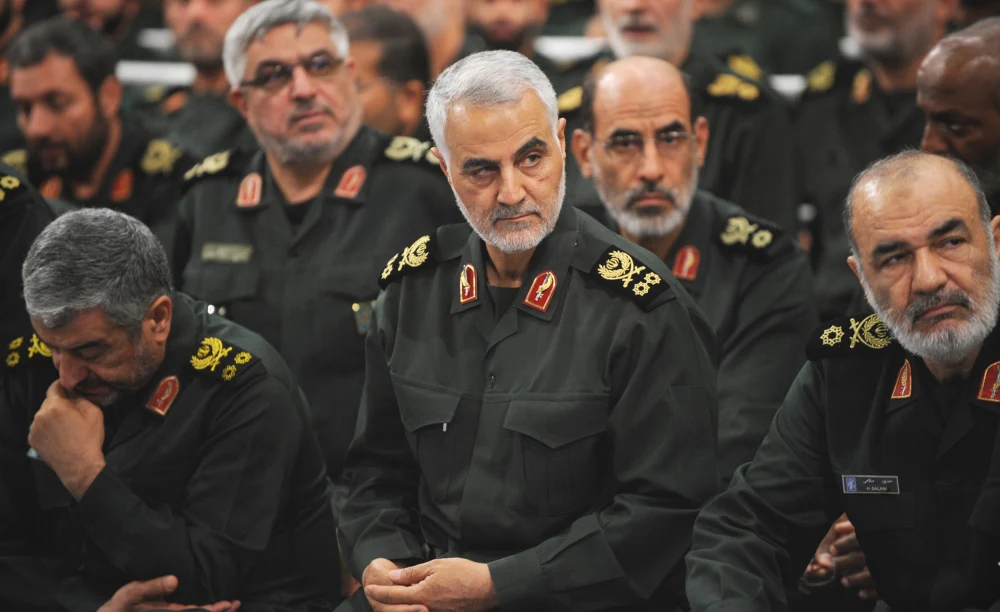
Tensions between the United States and Iran have surged again as Washington arrests relatives of the late Iranian military leader Qasem Soleimani. Soleimani, killed in a U.S. drone strike in Iraq in 2020, remains a highly influential figure in the Middle East.
The U.S. State Department confirmed that two of his relatives, living legally in the United States with green cards, were detained for allegedly supporting Iran’s current regime. The move marks a new strain in U.S.-Iran relations.
What Happened?
According to Daljoog News official statements, the two relatives had been long-term residents of the U.S., but investigations revealed they were not passive citizens. One of them reportedly promoted Iran’s government activities from U.S. soil, which the American authorities interpreted as active support for a hostile foreign power.
U.S. Secretary of State Marco Rubio ordered the revocation of their green cards, citing national security concerns. The arrests underline Washington’s strict position: the U.S. cannot be a haven for individuals supporting foreign governments opposed to American interests.
Why This Matters
The arrests are seen as both a legal action and a diplomatic message. Analysts highlight that targeting Soleimani’s family members is symbolic, emphasizing U.S. vigilance against Iranian influence. Soleimani had led the Quds Force, shaping Iran’s military and strategic presence across the Middle East.
The incident reinforces a broader U.S. warning to the international community that foreign nationals cannot operate on American soil while advancing the agenda of adversarial governments.
International Reaction
The global response has been mixed. Some see the arrests as a legitimate enforcement of U.S. national security, while others interpret them as a political message aimed at Tehran. Analysts note that this action continues a pattern of heightened tensions between the two countries since Soleimani’s death.
Daljoog News Analysis
The U.S. move illustrates how legal measures are increasingly intertwined with strategic diplomacy. By targeting family members of high-profile military figures, Washington sends both a domestic and international signal: support for hostile governments will face consequences, even on U.S. soil.
Experts suggest this is part of a larger U.S. strategy to counter Iran’s influence in the region and deter future covert activities by its agents abroad.
What Happens Next
The situation adds another layer to the already fragile U.S.-Iran relationship. While the arrests may have immediate security implications, they are also likely to influence ongoing diplomatic and strategic calculations in Washington and Tehran. Analysts will be watching closely for Iran’s response and any potential escalation in tensions.