


A reported security incident near the White House has triggered widespread speculation online, including unverified claims about former U.S. President Donald Trump’s health. The situation unfolded against a backdrop of heightened geopolitical tension and intense political rhetoric.
According to Daljoog News analysis, the rapid spread of conflicting information highlights how quickly misinformation can take hold during sensitive moments, especially when security concerns and high-profile figures intersect.
The timing has amplified public attention. With global tensions already elevated, even isolated incidents near key government sites can spark broader fears and confusion across digital platforms.
What Happened?
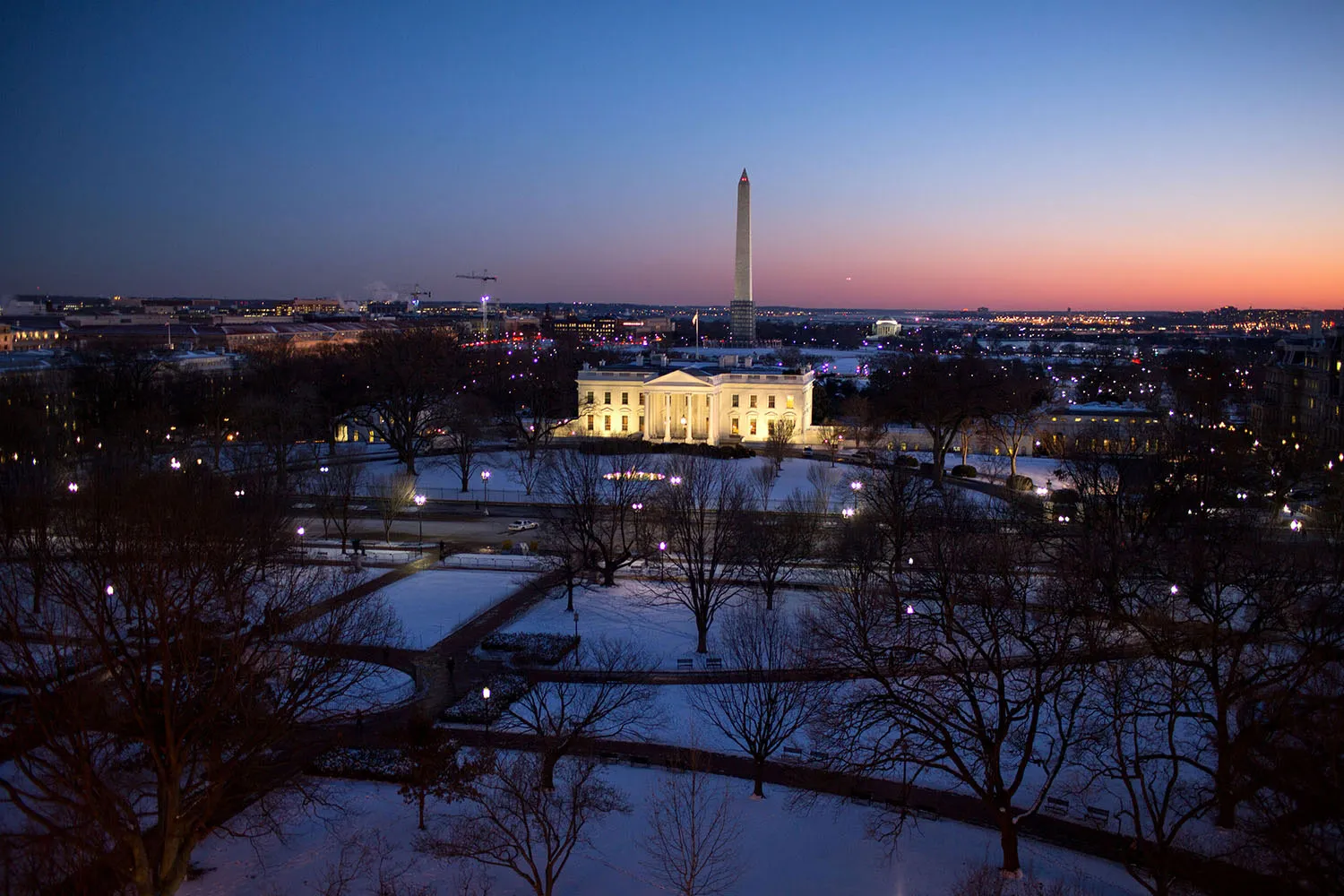
Reports emerged of gunfire in the vicinity of the White House, specifically near Lafayette Park, an area located just north of the presidential residence in Washington, D.C. Law enforcement agencies responded quickly after receiving alerts about possible shots fired during early morning hours.
Authorities, including the U.S. Secret Service, initiated a search operation focused on a potential suspect and a vehicle linked to the incident. The area was temporarily secured as officers conducted investigations to determine the nature and scale of the threat.
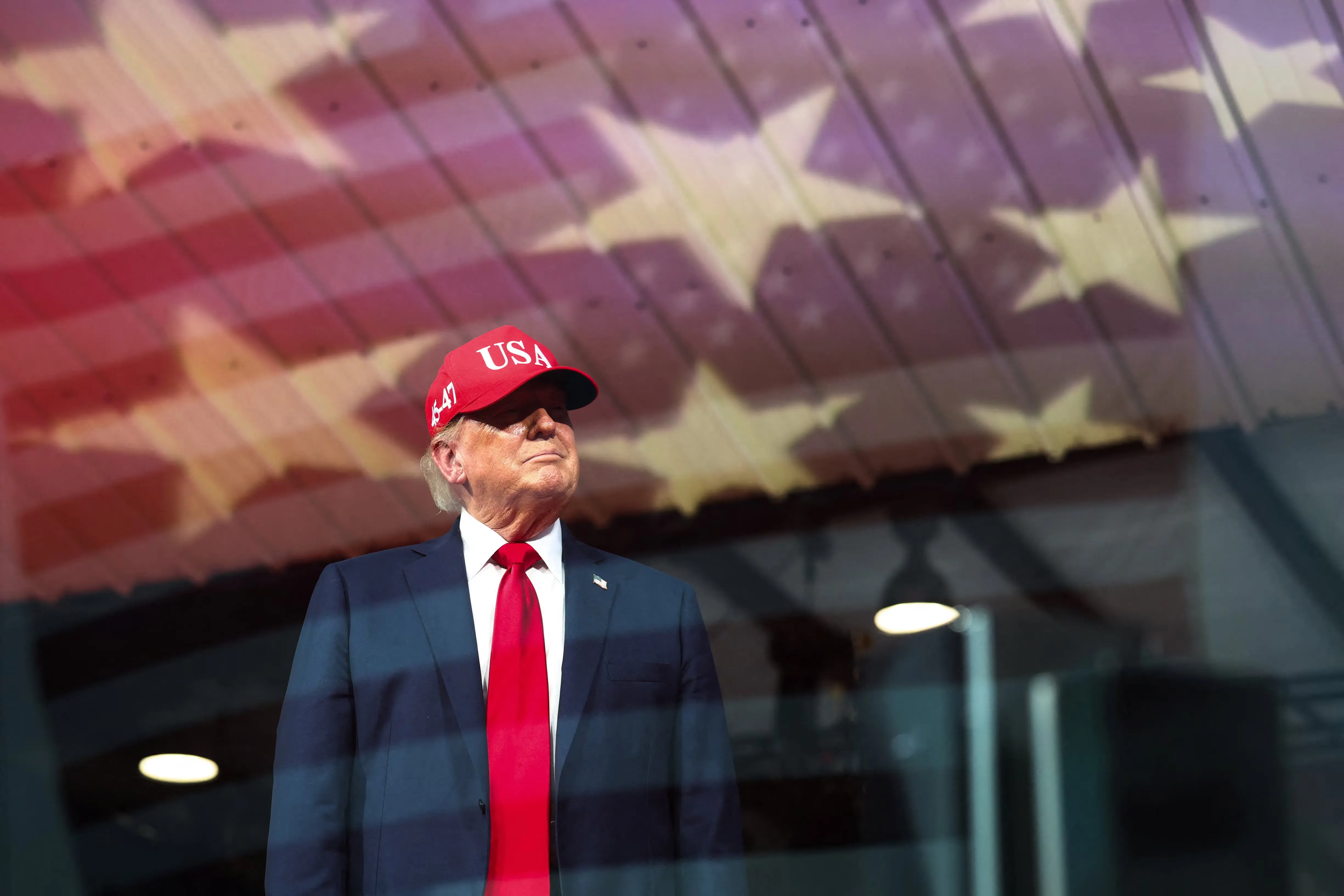
At the time of the incident, Donald Trump was believed to be present within the White House complex. However, officials did not indicate that he was in immediate danger, and security protocols appeared to function as intended.
Shortly after news of the gunfire spread, social media platforms became flooded with claims that Trump had been hospitalized. Some posts suggested he had been taken to a military medical facility in Maryland, fueling speculation about his condition.
Why This Matters
Incidents near high-security locations like the White House carry significant political and psychological weight. Even limited or contained events can generate widespread concern due to the symbolic importance of the location.
The rapid spread of unverified claims adds another layer of complexity. In today’s information environment, misinformation can escalate faster than official responses, shaping public perception before facts are fully established.
For political leadership, maintaining clarity during such moments is essential. Confusion about a leader’s health or safety can create unnecessary instability, both domestically and internationally.
This episode also underscores the vulnerability of digital ecosystems to rumor-driven narratives, especially during periods of heightened geopolitical tension.
What Analysts or Officials Are Saying
U.S. officials moved quickly to address the rumors. The White House communications team stated that Trump remained at the White House and continued his duties without interruption.
Security sources emphasized that there was no confirmed link between the reported gunfire and any direct threat to the president. They described the law enforcement response as precautionary and standard for such incidents.
Fact-checking organizations and media outlets also examined the viral claims. They found no credible evidence to support reports of hospitalization or unusual security measures at nearby medical facilities.
Analysts note that such incidents often become magnified online, especially when they involve prominent figures. They stress the importance of relying on verified information during rapidly evolving situations.
Daljoog News Analysis
The White House security scare demonstrates how quickly a localized event can evolve into a broader information crisis. In this case, the combination of a sensitive location and a high-profile political figure created the conditions for rapid speculation.
The spread of false health claims about Donald Trump reflects a wider challenge facing modern media environments. Once misinformation gains traction, it becomes difficult to contain, even when official clarifications are issued promptly.
This incident also reveals how geopolitical tension can amplify domestic narratives. With global attention already focused on U.S. actions and leadership, any perceived disruption at the center of power attracts intense scrutiny.
Daljoog News analysis suggests that maintaining public trust will depend on faster, clearer communication from authorities, as well as greater awareness among audiences about the risks of unverified information.
What Happens Next
Investigations into the reported gunfire near the White House are expected to continue as authorities work to identify any individuals involved and determine the full circumstances of the incident.
Officials will likely review security protocols to ensure the continued protection of key government locations, even if the event proves to be isolated.
Meanwhile, attention may shift toward managing the impact of misinformation. Government agencies and media organizations could intensify efforts to counter false narratives and provide timely updates.
As the situation develops, the focus will remain on separating verified facts from speculation—an increasingly critical task in today’s fast-moving information landscape.