

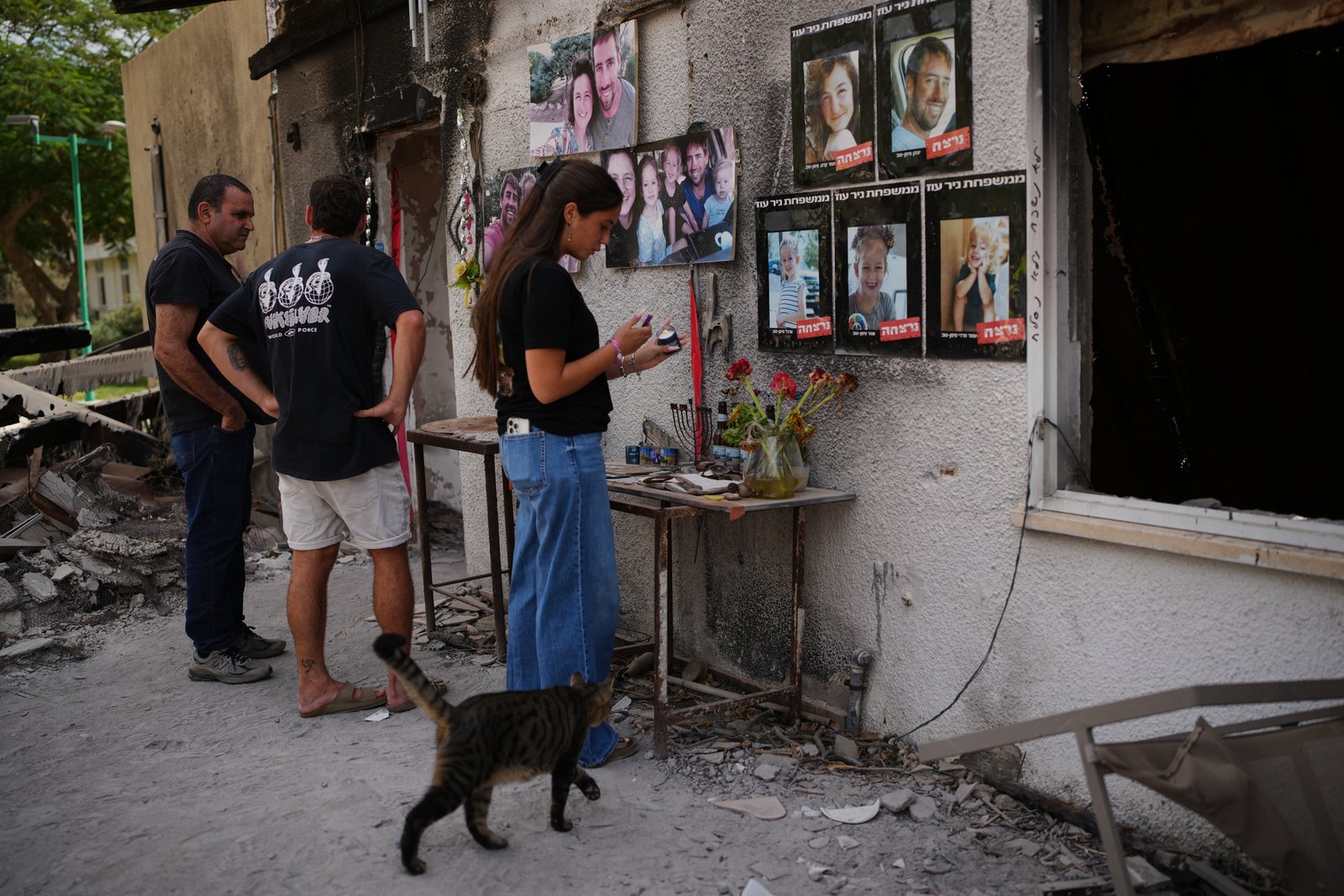
The Gaza Anniversary Crisis reached another emotional point on October 7 as Israelis marked three years since the Hamas attack that began the latest devastating phase of the conflict. Memorial events were held across Israel, including a vigil near the site of the Nova music festival and a gathering at Hostage Square in Tel Aviv. The anniversary came as the region remained under a fragile ceasefire and questions about Gaza’s future remained unresolved.
The attack on October 7, 2023 killed about 1,200 people in Israel and saw 251 hostages taken to Gaza, according to Israeli figures. Israel then launched a major military campaign in Gaza. The fighting caused enormous destruction and a huge loss of life among Palestinians. Gaza health authorities have reported more than 74,000 deaths since the start of the war, while millions of people have been affected by displacement and the destruction of homes and basic services.
This year’s anniversary is different from earlier ones because all of the hostages have now been recovered or exchanged. Their families spent years demanding their return and keeping public attention on the issue. The end of the hostage crisis has changed one major part of the conflict, but it has not solved the wider political dispute. Questions about security, borders, rebuilding and the future of Gaza remain deeply difficult.
Israel’s political situation also gives the anniversary extra importance. A coming election is expected to test Prime Minister Benjamin Netanyahu and his record during the conflict. Critics have questioned how the October 7 attack was able to happen and whether the government did enough to protect the country. Netanyahu has rejected responsibility for the security failure. The debate over the attack is likely to remain a major issue in Israeli politics.
The ceasefire has reduced some of the worst fighting, but it has not created a complete peace. Israeli military activity has continued in parts of Gaza, while disputes over the future role of Hamas remain unresolved. Israel wants Hamas disarmed, while Palestinian groups and other regional actors have their own demands. These disagreements have made it difficult to move from a ceasefire toward a stable political settlement.
The humanitarian situation remains another major concern. Large parts of Gaza have been damaged or destroyed during the war. Many families have been forced to move several times, and access to housing, health care, food and other basic needs remains difficult. Rebuilding will require huge amounts of money and years of work. It will also require political agreement over who controls Gaza and how security will be maintained.
The anniversary therefore carries several different meanings. For Israelis, it is a day of remembrance for people killed and a reminder of the fear caused by the attack. For Palestinians, it marks three years of war, displacement and destruction. For the wider region, it is a reminder that the conflict has changed alliances, security policies and energy markets across the Middle East.
The October 7 anniversary shows how difficult it will be to close this chapter. The immediate fighting may be lower than at the height of the war, but the political causes and consequences remain. The future of Gaza, the security of Israel and the possibility of a wider peace agreement are still uncertain. Three years after the attack, the region is still dealing with the consequences of a conflict that changed the Middle East.