

Indonesia has ordered government agencies to reduce selected spending as officials work to keep the national budget deficit under control. The measures direct civil servants to prioritize online meetings and halt purchases of new vehicles under the latest guidance. The move reflects pressure on the government to manage public finances carefully while still paying for key services and development plans.
Government spending can rise quickly when agencies travel often, hold large meetings or purchase new equipment. Such costs may seem small when viewed separately, but they can add up across ministries and public offices. By reducing some of these expenses, the government hopes to free up money for other priorities and reduce the risk of the budget moving beyond its planned limit.
The shift toward online meetings is one of the clearest parts of the policy. Digital meetings can reduce spending on flights, hotels, transport and event arrangements. They can also save staff time, especially when participants would otherwise travel long distances for a short discussion. However, online meetings are not suitable for every task, and agencies may still need in-person contact for inspections, training and important negotiations.
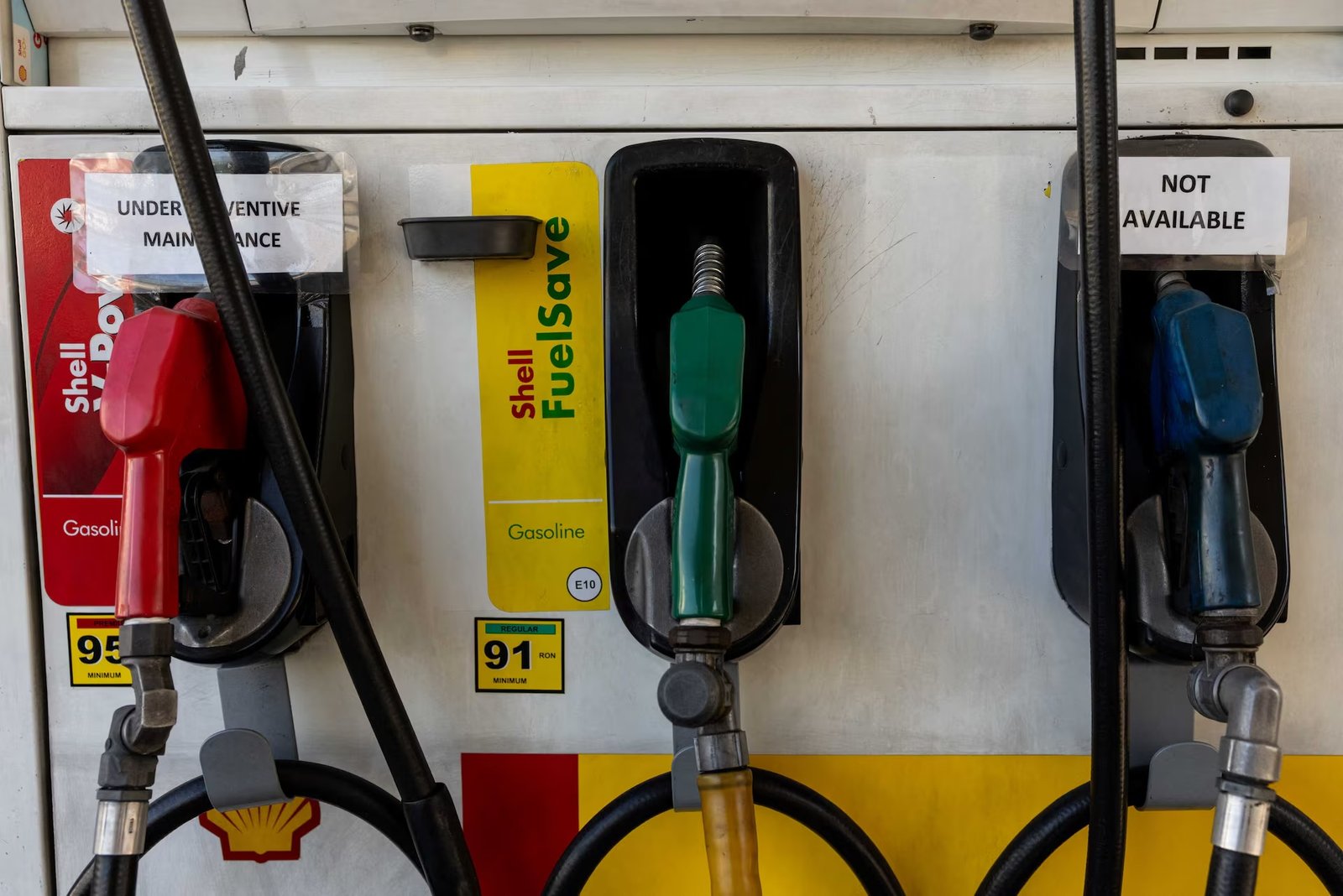
The halt on new vehicle purchases is another attempt to limit non-essential spending. Government agencies often need vehicles for field work, inspections and public services, but replacing them too often can create unnecessary costs. A spending pause can help officials review which purchases are urgent and which can be delayed. It may also encourage agencies to make better use of vehicles already available.
Indonesia’s budget decisions matter because the government must balance development goals with fiscal discipline. The country needs investment in transport, education, health care and public infrastructure, while also managing the cost of existing programmes. If spending rises faster than revenue, the government may have to borrow more or make cuts later. Keeping the deficit within limits can help protect confidence in the country’s finances.
Cost-cutting measures can also affect businesses that supply services to the government. Companies that depend on public contracts for travel, events, vehicles and equipment may face lower demand. The effect will depend on how widely the measures are applied and how long they remain in place. At the same time, a more disciplined budget may reduce the risk of sudden cuts in the future.
Officials need to ensure that savings do not weaken essential public services. Cutting unnecessary travel is different from reducing the funds needed for health clinics, schools or emergency response. Agencies must identify expenses that can be delayed without harming the public. If spending controls are too broad, they may slow useful work or create delays in projects that support growth.
The government will also need to monitor whether agencies follow the new rules. Spending plans are only effective if ministries and public offices apply them consistently. Clear guidance and regular checks can help ensure that savings are real rather than simply shifted into other budget lines. Agencies may also need to report which measures have produced the largest reductions.
Indonesia Budget Cuts show how governments can use small operational changes to protect wider fiscal goals. Online meetings and fewer vehicle purchases will not solve every budget challenge, but they can reduce costs without requiring immediate cuts to major programmes. The long-term effect will depend on how much money is saved and whether officials use those savings wisely. For Indonesia, the central task is to maintain public services while keeping government finances on a stable path.