


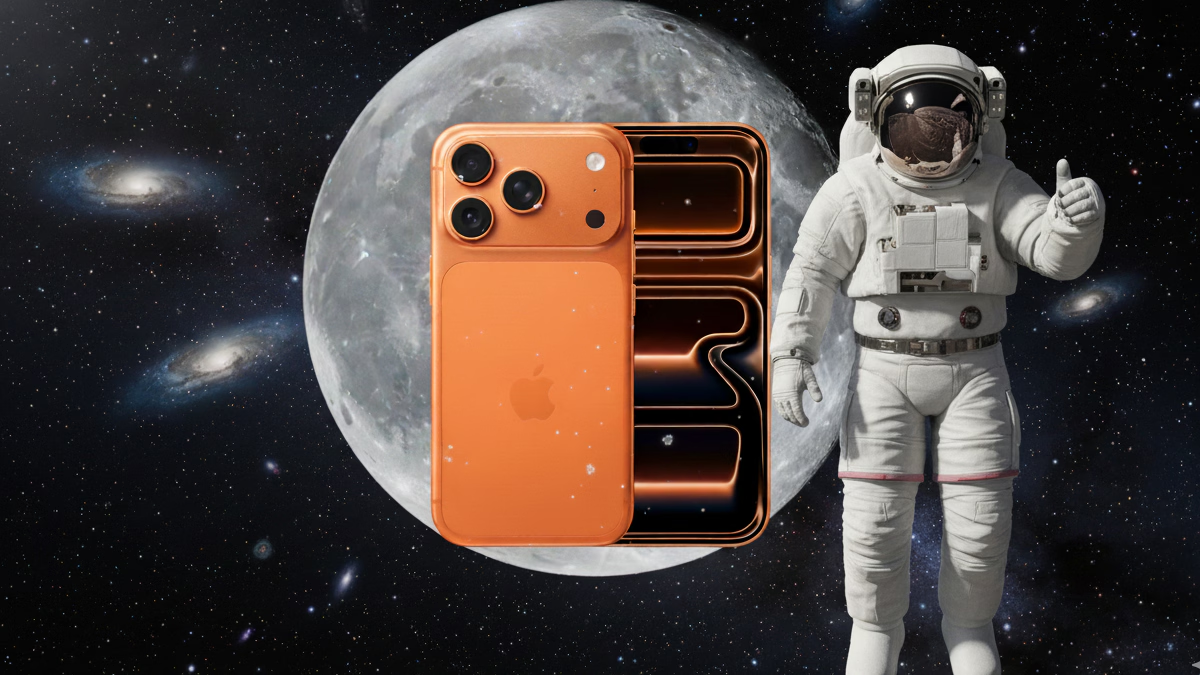
For the first time since 1972, NASA astronauts are orbiting the Moon on the historic Artemis II mission. Among the tools aboard the spacecraft, an iPhone 17 Pro Max has drawn attention as it floats through the cabin, marking a unique milestone for consumer technology in space.
According to Daljoog News analysis, allowing a smartphone onboard highlights both the evolving role of compact technology in research missions and the careful safety measures required in microgravity environments.
This launch also reflects the broader trend of integrating advanced imaging equipment with space exploration, offering new opportunities for real-time observation and high-resolution documentation of lunar orbits.
What Happened?
Artemis II carries four astronauts, each equipped with high-tech cameras, including Nikon Df and Nikon Z9 models, alongside the iPhone 17 Pro Max. The smartphone was officially approved for the mission, given only for photography and video purposes, without internet or Bluetooth connectivity.
During the flight, the iPhone has been observed floating between astronauts, from Jeremy Hansen to Reid Wiseman and Victor Glover, eventually reaching Christina Koch. To prevent accidents, all fragile equipment, including the iPhone, is tethered using Velcro and chains before launch. One device was even secured inside an astronaut’s suit pocket.
Additional cameras onboard include four GoPro Hero 11 units mounted externally on Orion’s solar panels, capturing Earth, lunar, and spacecraft imagery in high resolution. These systems complement experimental use of Nikon Z9 cameras, prepared for the extreme thermal conditions expected in future Artemis missions.
Why This Matters
The Artemis II mission represents a convergence of traditional space research tools and commercial technology. Using consumer devices like the iPhone 17 Pro Max in space opens new avenues for capturing media while testing durability and functionality in zero-gravity environments.
The integration of 28 cameras inside and outside the spacecraft ensures comprehensive monitoring, providing scientists and engineers with real-time data that could inform future lunar operations and long-duration missions.
The mission also pioneers advanced communication methods, employing laser technology capable of transmitting 260 megabytes per second, which allows 4K video to reach Earth instantly—a significant upgrade from traditional radio signals.
What Analysts or Officials Are Saying
NASA officials emphasize the strict safety protocols involved in allowing consumer electronics onboard. Every device undergoes multiple testing phases to mitigate risks from fragile components or loose items that could become hazards in zero gravity.
Space technology analysts highlight how these developments not only enhance media documentation but also provide operational insights into using compact, high-resolution imaging tools in extreme environments.
Observers note that lessons from Artemis II will inform design and safety standards for Artemis III and other future lunar missions, particularly in integrating sensitive equipment with astronaut activities.
Daljoog News Analysis
The iPhone 17 Pro Max in space is more than a novelty—it signals NASA’s openness to leveraging commercial technology in high-stakes environments. This approach reflects broader trends in space exploration, where smaller, versatile tools complement traditional instruments.
Moreover, the extensive camera network aboard Artemis II enables unprecedented observation of both spacecraft operations and lunar orbit dynamics. The ability to transmit high-definition video back to Earth in real time will aid scientists, engineers, and even the public in understanding mission progress.
This careful blending of consumer and professional-grade equipment demonstrates a measured balance between innovation and astronaut safety, setting a precedent for future missions.
What Happens Next
Astronauts on Artemis II are scheduled to return to Earth by April 10, bringing back extensive photographic and video documentation. Analysts expect that data from the iPhone and accompanying cameras will be analyzed for both scientific and operational purposes.
Looking ahead, the mission’s success could pave the way for broader use of consumer devices in space research, while informing the design of lunar habitats, exploration equipment, and future missions in deep space. NASA’s careful integration of technology ensures that each tool, from iPhones to flagship cameras, contributes to a safer and more productive lunar expedition.