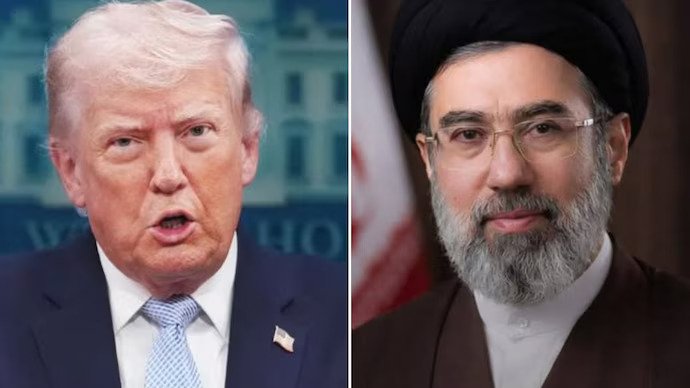


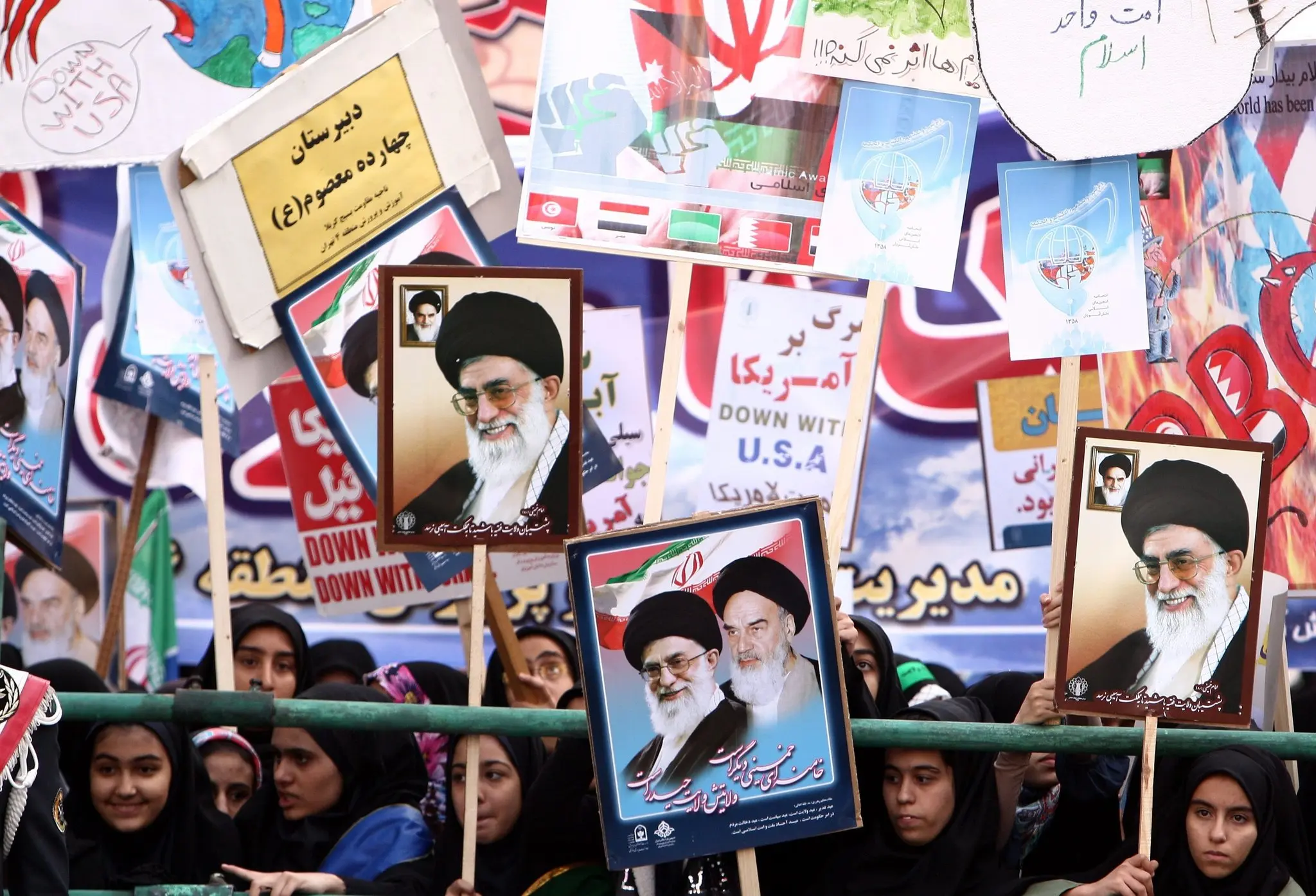
Hardline voices in Iran are openly rejecting any possibility of renewed dialogue with the United States, while warning that the Strait of Hormuz could remain closed. The remarks reflect a growing resistance within Iran’s political and strategic circles against de-escalation efforts.
According to Daljoog News analysis, the statements reveal deep mistrust toward Washington and signal a shift toward a more confrontational stance at a time when regional tensions remain high.
The comments come amid ongoing friction over maritime security and military positioning in the Gulf, where the Strait of Hormuz continues to serve as a critical global energy route.
What Happened?
Iranian hardliners have voiced strong opposition to any agreement or ceasefire that could ease tensions with the United States. In recent remarks circulated through regional media and political channels, influential figures argued that Washington cannot be trusted based on past actions.
They pointed to previous instances where negotiations were attempted following military confrontations, claiming those talks failed to deliver lasting outcomes. The current stance suggests that similar diplomatic efforts would face significant resistance inside Iran.
The statements also addressed recent proposals aimed at reducing tensions. According to the remarks, any such proposal would only be acceptable if it had full backing from Iran’s top leadership. However, hardline voices insist that no such approval has been granted and that external pressure is being applied instead.
A key point of concern is the Strait of Hormuz. The remarks emphasized that keeping the strategic waterway closed remains a viable option, dismissing suggestions that it could be reopened under current conditions.
Why This Matters
The Strait of Hormuz is one of the world’s most important transit routes, carrying a significant share of global energy supplies. Any threat to its operation has immediate implications for oil markets, shipping costs, and global economic stability.
Iran’s internal divisions over diplomacy also play a crucial role. When hardline factions gain influence, the chances of negotiated solutions tend to decrease, raising the risk of prolonged tension or escalation.
The rejection of talks further complicates efforts by international actors to stabilize the region. Without a clear path to dialogue, misunderstandings and miscalculations become more likely.
What Analysts or Officials Are Saying
Analysts believe the statements reflect a broader strategy aimed at strengthening Iran’s bargaining position. By rejecting talks publicly, hardline factions may be trying to signal resilience and deter external pressure.
Some experts argue that references to past negotiations are meant to reinforce a narrative of distrust, making it politically difficult for Iranian leaders to re-enter talks without clear concessions from the United States.
Officials in Western countries have not directly responded to these specific remarks but continue to emphasize the importance of keeping maritime routes open and avoiding escalation.
Observers also note that internal political dynamics in Iran often shape external policy decisions. Statements from hardline groups can influence the overall direction of the country’s diplomatic posture.
Daljoog News Analysis
The latest remarks highlight a critical challenge in managing tensions between Iran and the United States. Even when diplomatic channels exist, internal divisions can limit their effectiveness.
Iran’s hardline stance appears driven by both strategic and political considerations. On one hand, rejecting talks projects strength and independence. On the other, it reduces flexibility at a time when regional stability remains fragile.
The repeated focus on the Strait of Hormuz suggests that Tehran continues to view the waterway as a key leverage point. By signaling the possibility of closure, Iran can exert pressure without immediate military confrontation.
However, this approach carries significant risks. Any disruption to the Strait could trigger a broader international response, given its importance to global energy markets.
What Happens Next
The situation is likely to remain tense as diplomatic efforts continue behind the scenes. While public statements suggest resistance, backchannel discussions may still be ongoing.
International actors are expected to increase pressure to keep the Strait of Hormuz open, given its global importance. Any movement toward closure would likely prompt swift reactions from multiple countries.
Inside Iran, the balance between hardline and moderate voices will shape the next steps. If hardliners maintain influence, the chances of renewed negotiations may remain limited.