

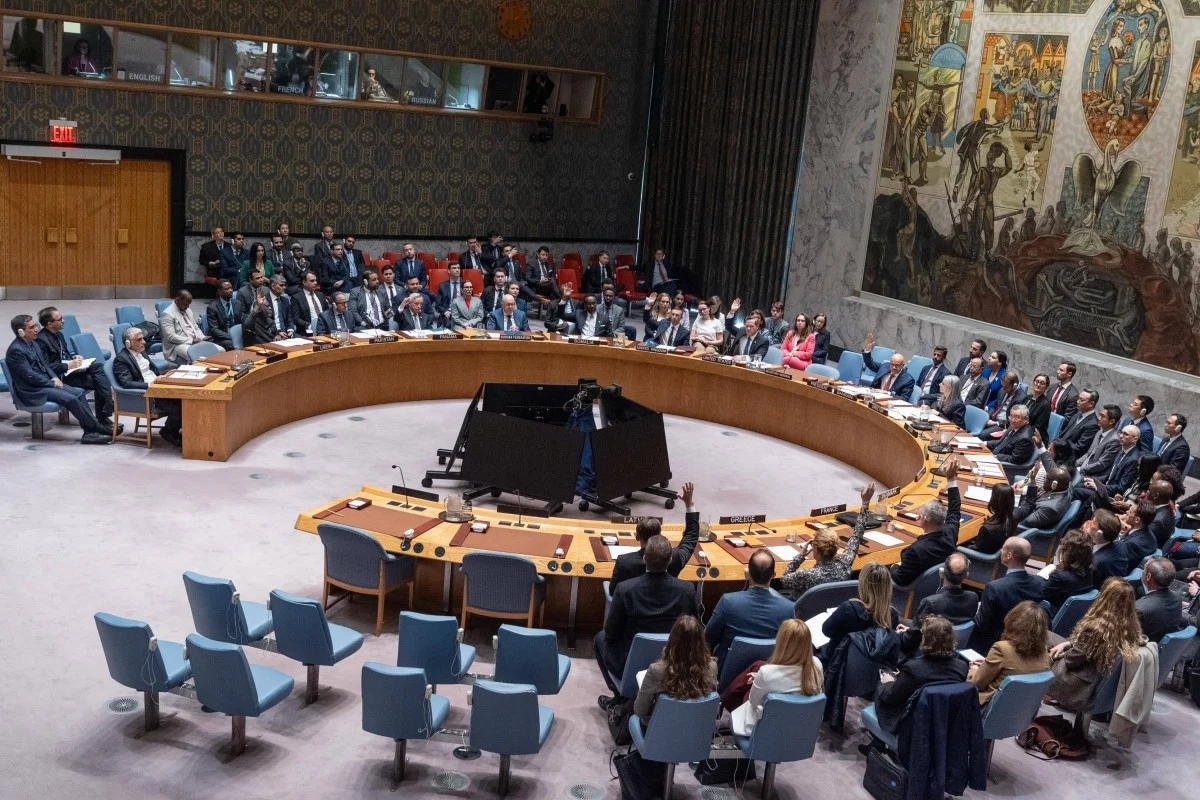
China and Russia have vetoed a United Nations Security Council draft resolution aimed at ensuring the free passage of vessels through the Strait of Hormuz. The move effectively protects Iran from measures that could have authorized defensive or coercive action.
According to Daljoog News analysis, the veto highlights the deepening strategic coordination among Tehran, Moscow, and Beijing, reflecting their shared interest in countering Western influence in critical global waterways.
The development follows weeks of negotiation and diplomatic maneuvering, marking a significant moment in the UN’s handling of maritime security in one of the world’s most sensitive shipping lanes.
What Happened?
Bahrain initially tabled the draft resolution at the UN Security Council, seeking to ensure that the Strait of Hormuz remains open for international shipping. Early versions of the proposal included language allowing the use of military force to guarantee access, but after extensive negotiations, these provisions were removed. The final text focused solely on encouraging protective measures without authorizing direct action.
When the draft was put to a vote, 11 Security Council members supported it, while Pakistan and Colombia abstained. China and Russia exercised their veto power, blocking the resolution.
Iran’s UN ambassador, Amir Saeed Iravani, welcomed the veto, stating that it prevented the Security Council from granting legitimacy to potential acts of aggression against Tehran. He emphasized that the veto ensures the council cannot be misused for hostile objectives.
Why This Matters
The veto demonstrates the growing geopolitical alignment between Iran, China, and Russia. By standing together, these countries are reinforcing their ability to resist Western-led initiatives in international forums.
For the UN, the incident underscores the challenges of achieving consensus on security matters involving strategically important maritime routes. The Strait of Hormuz is a critical chokepoint for global oil shipments, and any attempt to restrict passage can have wide-reaching economic consequences.
The decision also highlights the limits of Western influence in multilateral institutions. Despite the support of a majority of council members, China and Russia’s vetoes show that a single pair of powerful allies can shape outcomes in key diplomatic arenas.
What Analysts or Officials Are Saying
U.S. ambassador to the UN, Mike Wald, sharply criticized the veto, arguing that China and Russia are enabling Iran to disrupt humanitarian aid to countries including Congo, Sudan, and Gaza. He described Iran as a direct threat to international peace and security, holding Tehran solely responsible for the consequences of its actions.
Observers note that the episode reflects a pattern of strategic support: Iran benefits from the backing of two permanent council members, which strengthens its negotiating position and shields it from pressure over maritime disputes.
Analysts also point out that the veto sends a broader message about multipolar diplomacy. It signals that key global players are willing to use institutional mechanisms to counterbalance Western policies, particularly in strategically sensitive regions.
Daljoog News Analysis
The veto illustrates a clear trend of tactical coordination among Iran, China, and Russia. By aligning at the UN, these countries are asserting a counterweight to Western-led security initiatives and reinforcing their regional and global influence.
While the Security Council’s mandate is to preserve peace and security, this incident shows how geopolitical interests shape the interpretation and application of international law. Tehran’s strategic leverage has increased, while Washington and its allies face constraints in enforcing measures designed to guarantee maritime security.
For global observers, the episode underscores the rising importance of diplomatic alliances in shaping outcomes at the UN. Even carefully negotiated resolutions can be blocked when key permanent members align with a regional actor like Iran.
What Happens Next
The blocked resolution does not remove the underlying tensions in the Strait of Hormuz. Diplomatic negotiations are expected to continue, though the veto signals that future initiatives may face similar obstacles.
Iran is likely to continue leveraging its relationships with China and Russia to protect its interests, while the U.S. and Western allies may seek alternative strategies to ensure the flow of oil and humanitarian aid through the strait.