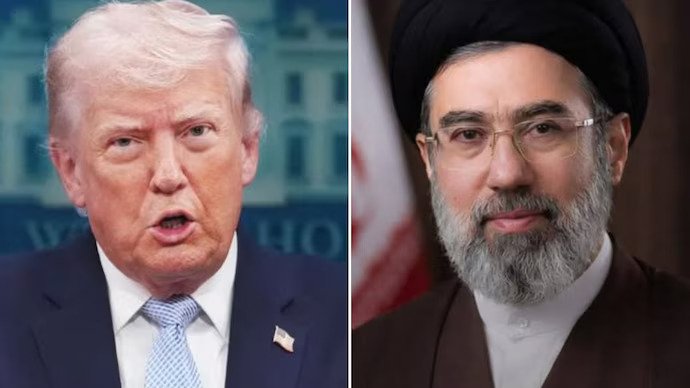



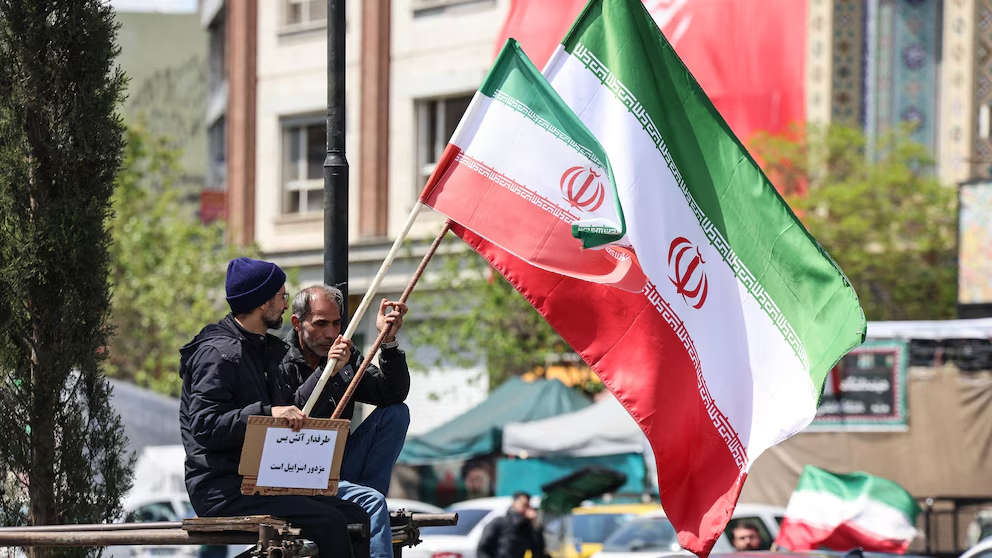
The United States and Iran have agreed to a two-week temporary ceasefire following escalating threats and rising tensions in the Gulf. This development comes just hours after President Donald Trump warned of severe consequences for Tehran on April 7.
According to Daljoog News analysis, the ceasefire reflects last-minute diplomacy and the influence of key international players, including Pakistan and China, in stabilizing a region on the brink of war.
While the agreement signals a potential pause in hostilities, uncertainty remains over its implementation and the willingness of other regional actors, particularly Israel, to honor the arrangement.
What Happened?
On April 7, following Trump’s warning of catastrophic action against Iran, he announced via the Truth Social platform that a two-week ceasefire had been agreed. Reports indicate the decision came after a mix of secret diplomatic contacts, international pressure, and intervention by Pakistan’s Prime Minister Shahbaz Sharif and military chief Asif Munir.
Iran has signaled cautious acceptance, stating that its forces would suspend offensive operations if attacks on Iranian sites cease. Foreign Minister Abbas Araghchi emphasized that traffic through the strategic Hormuz Strait would remain under Iranian coordination, with technical restrictions applied to ensure control.
The ceasefire covers the next 14 days but excludes full concessions, with Iran maintaining strategic leverage while the U.S. seeks assurances for safe navigation and regional stability. Analysts say China’s discreet intervention played a critical role in persuading Tehran to adopt a more flexible stance.
Why This Matters
The agreement has drawn global attention because it interrupts a conflict that began on February 28, which has seen violent clashes between U.S. and Iranian forces. By securing a temporary pause, both sides can prevent further loss of life, reduce military expenditure, and create space for diplomatic dialogue.
However, the ceasefire’s effectiveness depends on the compliance of regional actors. Israel has yet to issue a formal response, raising concerns that any unilateral actions could undermine the truce. This situation highlights the fragility of temporary agreements in a geopolitically sensitive environment.
What Analysts or Officials Are Saying
Experts note that Iran’s 10-point proposal forms the foundation of the ceasefire, demanding U.S. withdrawal from military positions, recognition of uranium enrichment rights, and compensation for war-related damages. U.S. officials have expressed willingness to negotiate most of these points, signaling a rare convergence in previously adversarial positions.
Regional analysts stress that Pakistan’s role in facilitating dialogue has been critical, while China’s involvement has added pressure on Tehran to remain flexible. Observers caution, however, that mistrust between Washington and Tehran remains high, and the ceasefire could serve as a tactical pause rather than a path to lasting peace.
Daljoog News Analysis
The temporary halt in hostilities demonstrates how strategic diplomacy can redirect conflict even after intense threats. Daljoog News notes that the ceasefire is as much about political signaling and negotiation leverage as it is about immediate security.
While the Gulf may experience a brief period of reduced tension, the durability of this agreement hinges on Israel’s response and adherence by both the U.S. and Iran to the agreed conditions. Without coordinated enforcement, this ceasefire risks being another short-term tactical maneuver rather than a step toward long-term stability.
What Happens Next
The next two weeks will test the commitment of all parties involved. Scheduled talks in Islamabad, mediated by Pakistan, are expected to clarify operational terms, verify compliance, and potentially pave the way for extended discussions.
Observers will closely watch Iran’s implementation of ceasefire conditions and the U.S. response, particularly regarding military positioning and regional navigation rights. Any deviation could reignite tensions, while adherence could establish a blueprint for future negotiations in the Gulf.