

Iran is implementing a complex economic and diplomatic strategy to counter U.S. pressure while strengthening regional and global influence. The plan spans oil trade, currency alternatives, and multilateral partnerships.
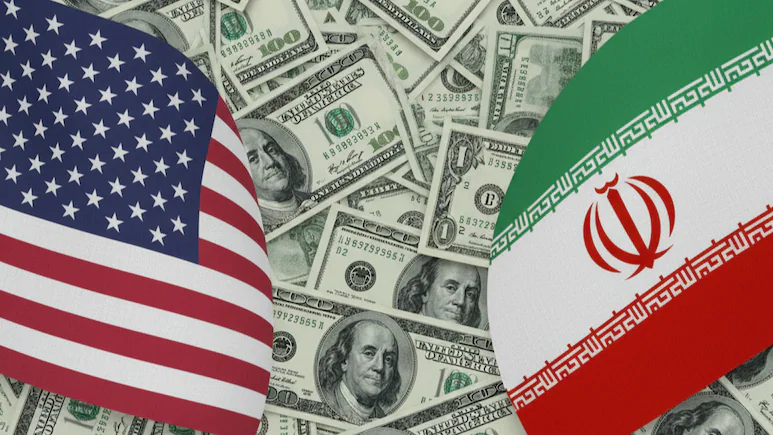
According to Daljoog News analysis, the Iran-US dollar strategy shows Tehran’s focus on weakening American leverage without relying solely on military confrontation. By targeting the dollar’s dominance, Iran is reshaping the economic battlefield.
The initiative comes amid ongoing sanctions, regional tensions, and a fragile ceasefire with Washington. Its success could redefine energy markets, shift trade balances, and challenge decades of U.S.-led financial hegemony.
What Happened?
Iran has signaled restraint toward GCC countries, promising no further missile attacks to reduce regional escalation. This step forms part of its broader Iran-US dollar strategy: separating neighboring Arab states from direct conflict while consolidating leverage in global markets.
In the nuclear domain, Iran has allowed inspections but explicitly barred U.S. officials from participation, signaling that oversight can occur without American involvement. European countries are presented with an opportunity to maintain trade relations with Tehran despite Washington’s objections.
The most consequential aspect is Iran’s energy and currency maneuvering. Tehran is requiring oil payments to be made in euros, yuan, or rupees instead of U.S. dollars. Additionally, it has been proposed that at least 3% of total transactions be settled in Iranian rials. This move could increase global demand for the rial and reduce reliance on the dollar in energy trade.
Why This Matters
The Iran-US dollar strategy has far-reaching implications. By creating alternatives to the dollar in global oil markets, Iran directly challenges a pillar of American economic power. Countries like China, India, and South Korea stand to benefit, potentially accelerating the adoption of non-dollar trade systems.
Regionally, Tehran strengthens its negotiating position, leveraging control of the Strait of Hormuz and oil exports. Strategically, the plan could shift the balance of influence in Asia and the Middle East, affecting how global energy and financial systems operate.
The strategy is also designed to endure over time. Even if short-term risks exist, Iran is betting that countries will gradually prefer stable, multi-currency trade over dependency on U.S.-controlled channels.
What Analysts or Officials Are Saying
Experts describe the Iran-US dollar strategy as a sophisticated economic gambit. Analysts note that Iran’s focus on currency diversification and oil trade allows it to exert influence without engaging directly in prolonged conflict.
Officials observe that this approach could create lasting pressure on U.S. financial leverage. If the dollar loses ground in major energy transactions, Washington’s ability to enforce sanctions and maintain economic dominance could be undermined.
Some analysts argue that the strategy also signals Iran’s broader ambition to integrate fully into the global economy on its own terms, combining regional diplomacy, strategic alliances, and financial innovation.
Daljoog News Analysis
Iran’s US dollar strategy represents a paradigm shift. By focusing on economic instruments rather than only military options, Tehran aims to achieve long-term influence that may surpass battlefield victories.
Daljoog News notes that this approach relies on both time and strategic partnerships. Iran’s control of oil chokepoints, combined with Asia’s appetite for non-dollar trade, creates conditions for meaningful financial leverage. The plan—codenamed “Islah”—seeks to make Iran indispensable to global trade while reducing U.S. economic oversight.
The strategy illustrates how modern geopolitical competition increasingly blends finance, diplomacy, and regional influence. Tehran’s economic moves could reshape energy markets, currency flows, and global alliances, forcing Washington to reconsider its traditional tools of power.
What Happens Next
Tehran will likely continue implementing the Iran-US dollar strategy, monitoring oil trade patterns and partnerships in Asia. Future steps may include broader adoption of the rial in transactions, expansion of trade agreements, and diplomatic outreach to countries seeking alternatives to dollar-dominated markets.
For the U.S., the key challenge will be balancing sanctions enforcement with the risk of accelerating non-dollar trade systems. The outcome of Iran’s plan could reshape global financial and energy landscapes, signaling a potential shift away from dollar dominance.