

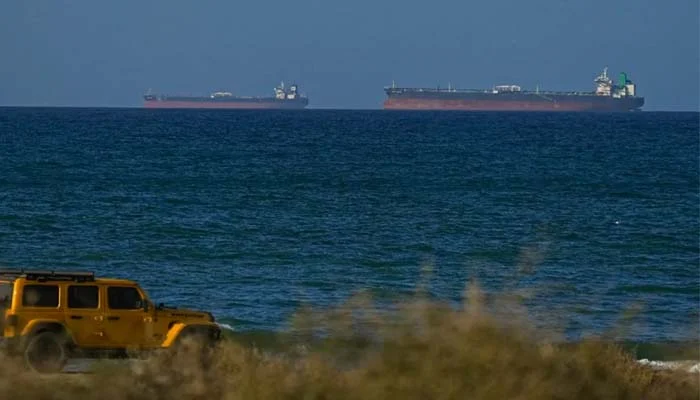
Iran has suspended all oil tanker traffic through the strategic Hormuz Strait following Israeli attacks in Lebanon, which Tehran says violate the ongoing ceasefire. The move has disrupted global energy routes and heightened regional tensions.
According to Daljoog News analysis, this escalation illustrates the fragile nature of the Iran ceasefire impact, where a single breach can rapidly affect energy markets and international security calculations.
The blockade comes shortly after U.S. President Donald Trump announced a temporary ceasefire agreement with Iran, intended to stabilize the region. Israel’s attack in Lebanon has immediately challenged that agreement, prompting Iran to take swift retaliatory measures.
What Happened?
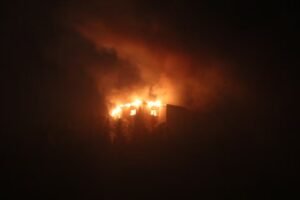
On Wednesday afternoon, Iran halted all tanker movements through the Hormuz Strait, a crucial corridor for global oil shipments. This decision follows an Israeli strike in Lebanon that killed at least 254 people and injured more than 1,100, according to Lebanese civil defense reports.
Iranian semi-official news agency Fars and state-run IRNA confirmed the suspension. Earlier that morning, two tankers had safely passed through the Strait under Iran’s approval, in line with the temporary ceasefire agreement. However, the Israeli military stated that its operations in Lebanon would continue, violating a key condition of Iran’s 10-point ceasefire plan.
The blockade underscores Iran’s use of strategic leverage. Control over the Hormuz Strait allows Tehran to exert significant influence on global oil flows and respond directly to perceived violations of agreements.
Why This Matters
The Iran ceasefire impact now extends into energy security. The Hormuz Strait accounts for a large portion of global oil shipments, and any disruption can trigger spikes in energy prices worldwide.
For Europe and Asia, which rely heavily on Gulf oil, the suspension raises immediate economic and logistical concerns. Political instability in the region could ripple through global markets, complicating efforts to stabilize energy supply after months of heightened tension.
Strategically, Iran’s move signals that the country is willing to enforce its terms aggressively, using both military and economic leverage to ensure compliance with ceasefire conditions.
What Analysts or Officials Are Saying
Regional analysts emphasize that Iran’s suspension of tanker traffic is a calculated response to Israel’s violations. The decision highlights Tehran’s focus on protecting allies, such as Lebanon, and maintaining its credibility in international negotiations.
European diplomats note that the blockade intensifies the impact of the Iran ceasefire, reinforcing the fragility of temporary agreements. Australia and other energy-importing nations have also expressed concern over potential global economic fallout.
U.S. officials face the challenge of balancing support for Israel while maintaining the ceasefire agreement with Iran. Analysts suggest that Washington must act carefully to avoid further escalation and prevent a broader disruption of international oil markets.
Daljoog News Analysis
The Iran ceasefire impact is rapidly evolving. Daljoog News observes that Tehran’s use of the Hormuz Strait as leverage reflects a sophisticated strategy to enforce its 10-point ceasefire plan. By halting tanker traffic, Iran demonstrates its ability to respond decisively to perceived violations while asserting regional authority.
This incident also exposes the vulnerability of global energy markets to geopolitical crises. Even temporary conflicts in Lebanon and other parts of the Middle East can have outsized economic effects far beyond the region.
Iran’s action sends a warning that ceasefire agreements are conditional, dependent on adherence by all parties. The blockade may influence future negotiations, signaling that violations carry immediate and tangible consequences.
What Happens Next
Iran’s blockade of the Hormuz Strait will remain in effect until Israel halts its operations in Lebanon, according to Tehran’s statements. Diplomatic efforts, potentially involving European and regional mediators, may be necessary to restore tanker traffic and stabilize energy routes.
Monitoring of oil prices and shipping schedules will continue as nations assess the Iran ceasefire impact on global energy security. Any escalation in Lebanon or broader regional conflict could prolong the blockade and increase uncertainty in international markets.