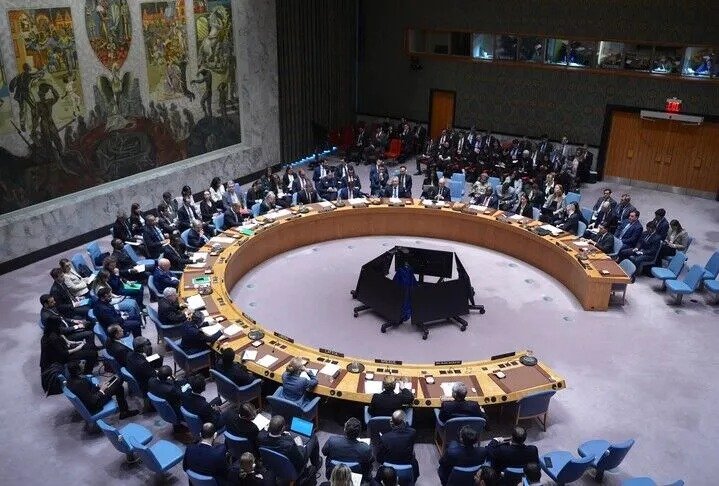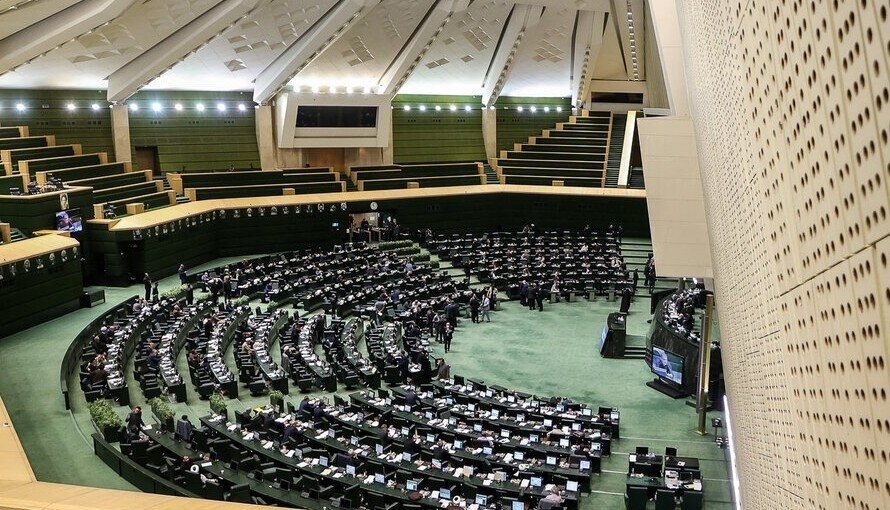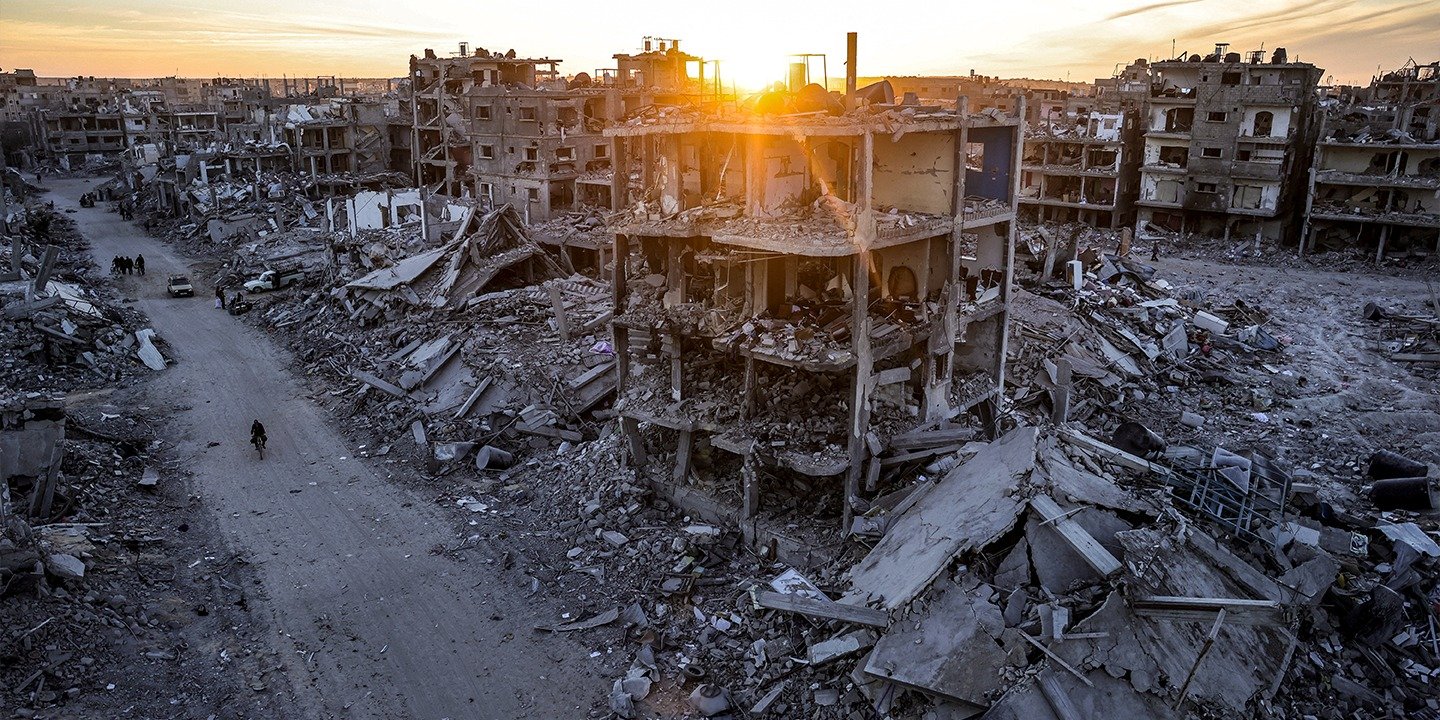


Islamabad has been placed under extraordinary security as Pakistan prepares to host high-level Iran-US ceasefire negotiations aimed at ending months of conflict. The capital has effectively been turned into a fortified zone, with strict restrictions and heavy deployment across key areas.
According to Daljoog News analysis, the scale of security reflects not only the sensitivity of the talks but also the geopolitical weight carried by this rare diplomatic engagement. The outcome is expected to influence regional stability far beyond the immediate conflict.
The meeting brings together Iranian representatives and senior US officials, including US Vice President JD Vance, under tightly controlled conditions designed to prevent any security breach or disruption.
What Happened?
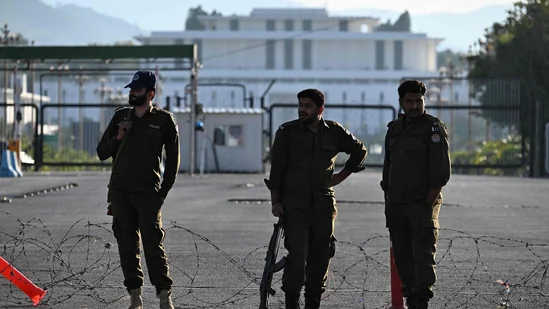
Pakistan has deployed an extensive multi-agency security operation across Islamabad ahead of the Iran-US ceasefire talks. The city is under heightened alert as authorities prepare for one of the most sensitive diplomatic events in recent years.
According to local reports, the security operation is being coordinated by Pakistan’s military along with paramilitary Rangers, Islamabad Capital Police, and Punjab Police. Thousands of personnel have been stationed at key checkpoints and strategic locations.
Official figures indicate that around 6,000 Islamabad police officers, 3,000 Punjab Constabulary personnel, and 900 Frontier Constabulary members have been deployed. Additional special military units and rapid response teams are positioned across high-risk zones.
Surveillance has also been expanded to aerial monitoring, while elevated terrain and surrounding forested areas are under military observation to prevent any external threat or intrusion during the summit period.
Why This Matters
The unprecedented security measures highlight the importance of the negotiations, which are being viewed as a potential turning point in the Iran-US conflict. Any disruption could have major diplomatic and strategic consequences.
The talks are not only about ceasefire terms but also about reshaping broader regional stability. The Middle East’s fragile security environment makes even small diplomatic failures potentially significant.
Global markets are also watching closely. Energy supply routes, particularly through the Strait of Hormuz, remain sensitive to any escalation or breakthrough in negotiations. Stability in the region could ease pressure on global oil prices.
For Pakistan, hosting such a high-level event also strengthens its position as a mediator in international diplomacy, although it brings significant security and logistical risks.
What Analysts or Officials Are Saying
Security experts describe the deployment as one of the most comprehensive in Islamabad’s recent history. They note that coordination between civilian and military agencies is essential, given the presence of high-profile delegations.
Pakistani officials, including Foreign Minister Ishaq Dar, have emphasized that all necessary arrangements have been made to ensure smooth movement, secure access, and uninterrupted proceedings.
Analysts also point out that restricting digital devices for close protection teams and enforcing strict red-zone access rules reflects the high-risk nature of the event. Even minor security lapses could have diplomatic consequences.
International observers believe the outcome of the talks could reshape diplomatic engagement patterns between major global powers and regional actors in the Middle East.
Daljoog News Analysis
The transformation of Islamabad into a high-security diplomatic zone underscores how fragile global diplomacy has become in periods of sustained conflict. The level of preparation suggests that both success and failure carry significant consequences.
Pakistan’s role as host is strategically important. It positions the country as a neutral facilitator in a highly polarized geopolitical environment, but it also places immense pressure on its security infrastructure.
The presence of top-level delegations, including US and Iranian representatives, signals that backchannel diplomacy has evolved into formal negotiation. This shift reflects growing recognition that military escalation alone cannot resolve the conflict.
However, the secrecy surrounding the venue and restricted media access also raise questions about transparency and public accountability in such critical negotiations.
What Happens Next
Security measures in Islamabad will remain in place until at least April 12, according to official sources. Movement restrictions and controlled access zones are expected to continue throughout the negotiation period.
The talks themselves are being held in a secure and undisclosed facility, with no direct media access allowed. Outcomes are expected to be communicated through official diplomatic channels once discussions conclude.
If progress is made, the negotiations could lead to a phased ceasefire framework and further diplomatic engagement. Failure, however, risks renewed escalation and broader regional instability.