
US President Donald Trump has declared that the United States has already secured victory in its ongoing conflict with Iran, regardless of the outcome of current diplomatic negotiations taking place in Islamabad. His remarks have added a new layer of tension to already fragile discussions.
According to Daljoog News analysis, the statement reflects a broader political messaging strategy aimed at projecting strength while talks between Washington and Tehran remain uncertain and highly sensitive.
The comments come at a critical moment, as US and Iranian officials continue extended negotiations focused on regional security, maritime stability, and nuclear-related concerns.
What Happened?
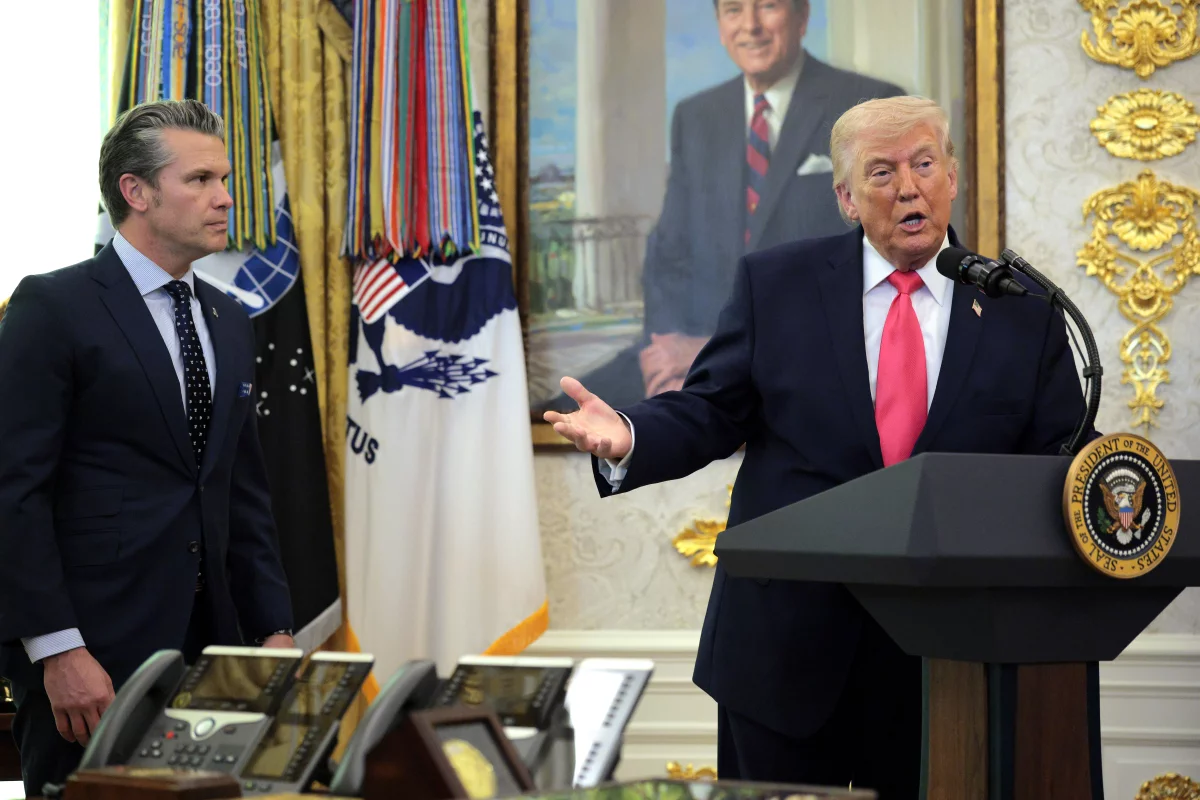
Speaking on the ongoing situation involving Iran, President Donald Trump stated that the United States considers itself the decisive winner in the current conflict dynamics, regardless of whether a formal agreement is reached.
He said the US has already achieved key military and strategic objectives, including weakening Iranian capabilities at sea and limiting their operational reach. Trump specifically referenced damage to Iranian naval assets and claimed significant disruption to their maritime operations.
He also addressed the situation in the Strait of Hormuz, saying US forces are actively engaged in efforts to clear reported naval mines in the region. According to his remarks, ongoing operations aim to secure one of the world’s most critical shipping lanes.
Despite the high-level negotiations in Islamabad, Trump downplayed their importance, stating that the United States would remain unaffected by the outcome of any agreement.
Why This Matters
These remarks come at a sensitive diplomatic moment, as US and Iranian representatives continue discussions aimed at reducing regional tensions. Public declarations of victory during active negotiations can complicate diplomatic messaging and influence perceptions on both sides.
The Strait of Hormuz remains a central concern due to its role in global energy transport. Any claim of military dominance in the region carries broader implications for shipping security and international oil markets.
Statements framing the situation as a “won war” also risk hardening negotiating positions. In diplomacy, perception often shapes leverage, and unilateral declarations can reduce room for compromise.
At the same time, such rhetoric may be intended for domestic audiences, reinforcing political strength ahead of future policy decisions.
What Analysts or Officials Are Saying
Diplomatic observers note that public comments of this nature can diverge significantly from the private tone of negotiations. While talks continue in Islamabad, official delegations have avoided confirming any breakthroughs or breakdowns.
Security analysts caution that claims of total military success are difficult to independently verify, especially in complex maritime environments like the Strait of Hormuz.
Some experts argue that ongoing mine-clearance operations and continued negotiations suggest that the situation remains unresolved on the ground, despite political framing.
Officials involved in mediation efforts have not publicly responded to Trump’s remarks, maintaining focus on keeping diplomatic channels open.
Daljoog News Analysis
Trump’s comments illustrate a recurring pattern in high-stakes geopolitical conflicts, where political leaders frame ongoing situations as resolved victories even while negotiations are still active.
This approach can serve multiple purposes. It reinforces domestic political messaging, projects strength to adversaries, and attempts to shape the narrative before formal diplomatic outcomes are reached.
However, such declarations can also introduce friction into delicate talks. When one side publicly claims decisive victory, it may reduce incentives for compromise on the opposing side, potentially slowing diplomatic progress.
The reality on the ground remains more complex. Continued negotiations, maritime security concerns, and unresolved issues in the Strait of Hormuz indicate that the situation is still evolving rather than settled.
Ultimately, the gap between political rhetoric and diplomatic process highlights the uncertainty surrounding the US-Iran dynamic at this stage.
What Happens Next
Negotiations in Islamabad are expected to continue despite the political statements. Diplomatic teams are likely to focus on maintaining dialogue channels and addressing immediate security concerns in the region.
Maritime safety in the Strait of Hormuz will remain a key priority, particularly if mine-related risks persist. Any coordinated clearance efforts could become an important confidence-building step.
The United States and Iran are also expected to face increasing pressure from international stakeholders to clarify their positions and avoid further escalation.
For now, the situation remains fluid. While political leaders may project certainty, the diplomatic process suggests that key questions remain unresolved and outcomes are still in development.