



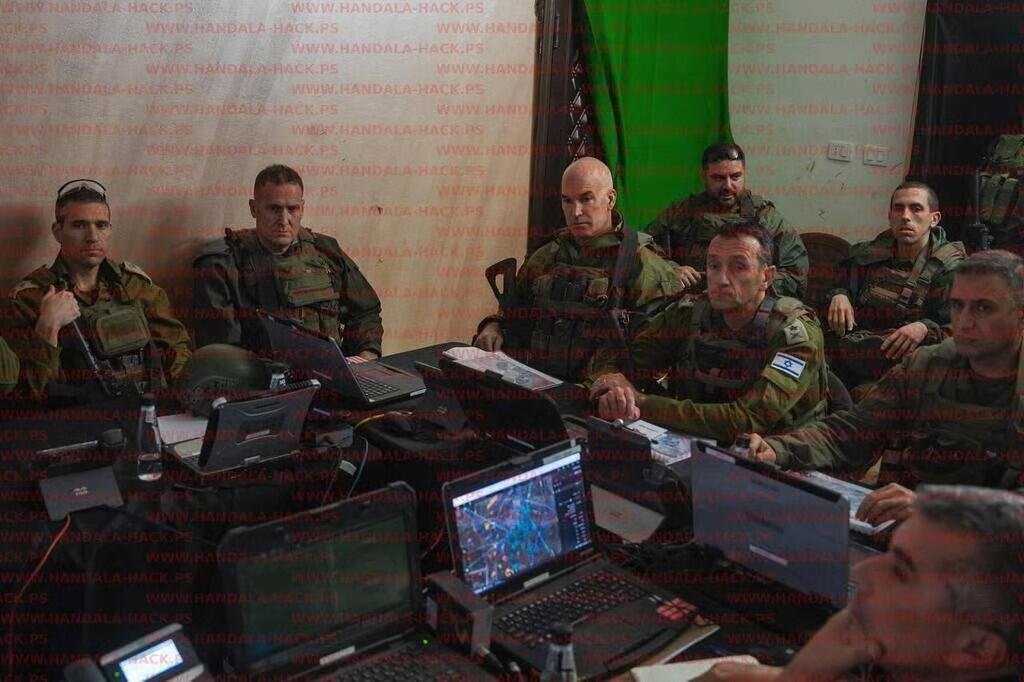
A hacker group claiming ties to Iran has alleged it has obtained more than 19,000 confidential files linked to former Israeli military chief Herzi Halevi, triggering renewed concerns over cyber warfare and digital security vulnerabilities.
According to Daljoog News analysis, the reported breach—if verified—signals a significant escalation in cyber operations targeting high-ranking defense officials and sensitive military infrastructure.
The claims have circulated widely online, raising questions about the security of personal devices used by senior military figures and the broader risks facing state defense systems in an era of persistent cyber conflict.
What Happened?
The group identifying itself as “Handala Hack Team” claims it successfully infiltrated the personal phone of former Israeli military chief Herzi Halevi, extracting approximately 19,000 files. These allegedly include private images, videos, and sensitive documents.
According to the group’s statement, the operation was the result of a long-term cyber infiltration campaign. They claim they were able to access not only personal data but also materials connected to meetings, military discussions, and strategic locations.
Some of the material circulating online reportedly shows Halevi in meetings with Arab officials and senior international military figures. Other alleged files include images from official visits to religious and diplomatic sites, as well as documentation related to defense operations.
The hacker group further claims access to maps, command-related materials, and internal references to Israeli military facilities and emergency coordination centers.
However, none of these claims have been independently verified, and Israeli authorities have not issued an official confirmation regarding the breach or its scale.
Why This Matters
If even partially accurate, the alleged breach would represent one of the most significant cyber intrusions involving a senior Israeli defense official in recent years. It highlights the growing role of cyber operations in modern geopolitical conflicts.
Military leaders are increasingly dependent on digital communication systems, which can become vulnerable targets for sophisticated hacking groups. Personal devices, in particular, are often considered weaker points in broader security networks.
The potential exposure of sensitive military-related materials raises concerns about operational security, intelligence protection, and diplomatic confidentiality. Even non-classified personal data can be used to build strategic profiles of high-ranking officials.
This incident also reflects a broader trend where cyber warfare is becoming a parallel battlefield to traditional military confrontation, especially in regions marked by long-standing geopolitical tensions.
What Analysts or Officials Are Saying
Cybersecurity analysts note that claims made by hacking groups often contain a mix of authentic material, exaggeration, and misinformation. Without independent verification, it is difficult to determine the true scale of the alleged breach.
Experts emphasize that even partial access to a senior military figure’s personal device could pose significant risks if it includes location data, communications, or meeting records.
Defense analysts also point out that similar cyber incidents have previously been used for psychological impact, aiming to undermine confidence in national security systems rather than solely to extract intelligence.
Israeli authorities have not yet issued a formal response to the latest claims, and there has been no confirmation from independent cybersecurity agencies.
Daljoog News Analysis
The alleged hack underscores how cyber operations have become a key instrument in modern asymmetric conflict. State-linked or ideologically motivated hacker groups increasingly target symbolic figures to amplify the psychological impact of their actions.
Even when full datasets are not verified, the perception of a major breach can be strategically significant. It can pressure governments to reassess internal security protocols and create public debate around digital vulnerabilities.
The focus on a former military chief also suggests an attempt to maximize visibility. High-profile targets tend to generate greater media attention, which can amplify the intended message of the attackers.
However, the lack of independent verification means caution is necessary. In many recent cases, cyber claims have included inflated figures or selectively edited content designed to increase perceived impact.
Ultimately, whether fully accurate or partially exaggerated, the incident highlights a growing reality: cybersecurity is now an essential front in geopolitical competition, alongside land, sea, and air domains.
What Happens Next
Cybersecurity agencies are expected to examine the claims and attempt to verify whether any genuine breach occurred. This process can take time, especially when data originates from encrypted or private sources.
If confirmed, the incident could prompt internal reviews of military digital security protocols and potentially lead to stricter controls on personal device usage by senior officials.
Further releases from the hacker group may follow, as such actors often publish data in stages to maintain attention and pressure.
For now, the situation remains unverified but closely watched. Whether the claims are fully accurate or partially exaggerated, they have already added another layer of tension to an already complex regional security environment.