

Lebanon displacement, Israel strikes continue to intensify as thousands of civilians are forced from their homes due to ongoing Israeli military operations across affected regions. Many families are now surviving in temporary shelters under harsh conditions.
According to Daljoog News analysis, the worsening impact of Lebanon displacement Israel strikes reflects a deepening humanitarian and security crisis, where diplomatic efforts are struggling to match the pace of violence on the ground.
The situation comes as planned talks between Israel and Lebanon raise cautious expectations, but trust between the sides remains extremely fragile.
What Happened?
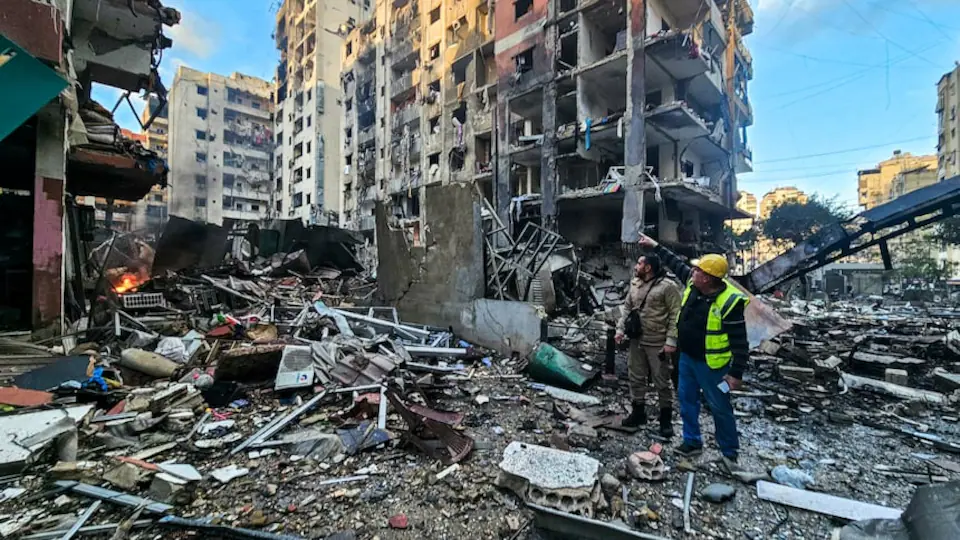
Lebanon displacement Israel strikes have forced thousands of residents to abandon their homes, with many seeking refuge in open spaces and temporary camps. Local reports indicate widespread destruction in several southern areas, leaving communities without basic infrastructure.
The Lebanese Ministry of Health reports that more than 2,000 people have been killed since the escalation began, including civilians, women, children, and healthcare workers. The scale of casualties highlights the severity of the ongoing conflict.
Hezbollah has claimed responsibility for a series of operations against Israeli positions, while Israel says its military actions are aimed at neutralizing threats and securing border regions. The exchange has continued to fuel instability along the frontier.
Despite the violence, Israel and Lebanon are expected to hold talks aimed at reducing tensions, though expectations for success remain limited.
Why This Matters
Lebanon displacement, Israel strikes are creating a growing humanitarian emergency, with thousands of families left without stable shelter, food security, or access to healthcare. The scale of displacement is placing severe pressure on Lebanon’s already fragile economy.
Aid agencies warn that prolonged instability could deepen the crisis, making recovery more difficult even if fighting slows in the future. Infrastructure damage may take years to repair.
The conflict also carries broader regional implications. Escalation in Lebanon risks drawing in additional actors and further destabilizing an already volatile Middle East security environment.
For global markets and diplomacy, continued instability increases uncertainty, particularly as energy routes and regional alliances remain sensitive to conflict escalation.
What Analysts or Officials Are Saying
Officials in Lebanon have expressed doubt over the effectiveness of upcoming negotiations, with some estimating only a small chance of meaningful progress due to deep mistrust between the parties.
Military and political representatives from both sides continue to defend their positions. Israel maintains its operations are defensive, while Hezbollah describes its actions as resistance to ongoing attacks.
Humanitarian experts emphasize that Lebanon’s displacement Israel strikes are disproportionately affecting civilians, with displacement levels rising faster than aid delivery capacity.
Analysts also note that parallel regional crises are influencing the conflict, making diplomatic resolution more complex and less predictable.
Daljoog News Analysis
Lebanon displacement Israel strikes highlight how quickly localized military escalation can evolve into a large-scale humanitarian crisis. The repeated cycle of strikes and retaliation has created long-term instability for civilian populations.
The situation also reflects a broader failure of diplomacy to keep pace with battlefield developments. Even when negotiations are announced, conditions on the ground often deteriorate simultaneously, reducing trust in the process.
Another concern is the growing normalization of displacement as a feature of prolonged conflict. When communities are repeatedly forced to relocate, rebuilding becomes increasingly difficult and long-term recovery weakens.
Without sustained international pressure and enforceable agreements, Lebanon displacement and Israel strikes may continue to define the region’s security landscape in the near future.
What Happens Next
Upcoming Israel–Lebanon talks will test whether even limited de-escalation is possible, but expectations remain low given the current level of mistrust and ongoing military activity.
Humanitarian operations are expected to expand, focusing on emergency shelter and medical aid for displaced populations, though access and funding challenges remain significant.
If negotiations fail, analysts warn that Lebanon displacement Israel strikes could intensify further, increasing both civilian suffering and regional instability.
For now, the crisis remains unresolved, with civilians continuing to bear the heaviest consequences of sustained conflict.