


A report from US President Donald Trump’s Board of Peace has warned that the Gaza ceasefire is at serious risk because Israel and Hamas have failed to meet several important commitments. The assessment says the wider peace plan has stalled despite the reduction in major fighting. The agreement was intended to create conditions for Hamas to disarm, Israeli forces to withdraw and reconstruction to begin. However, disagreements over these steps have prevented the process from moving forward, leaving millions of Palestinians facing continued uncertainty and difficult living conditions.
One of the main disagreements concerns the future of Hamas and the administration of Gaza. Hamas previously agreed to a roadmap that included surrendering its weapons and transferring governance to a civilian transitional authority. Israel rejected the proposal, insisting that its troops would not withdraw until Hamas had been dismantled. The report says the lack of progress has created a serious obstacle to the broader agreement. It also warns that the continued absence of a clear political and security arrangement could make the ceasefire increasingly difficult to maintain.
The report criticises both sides for failing to fully respect their commitments. Israel has continued carrying out near-daily strikes against targets in Gaza, while Hamas fighters have also continued attacks on Israeli troops. The assessment says that these activities undermine confidence in the ceasefire and make it harder to test whether the parties are prepared to follow the agreed roadmap. It also highlights the difficult humanitarian situation, with restrictions and shortages affecting preparations for winter and the delivery of essential supplies.
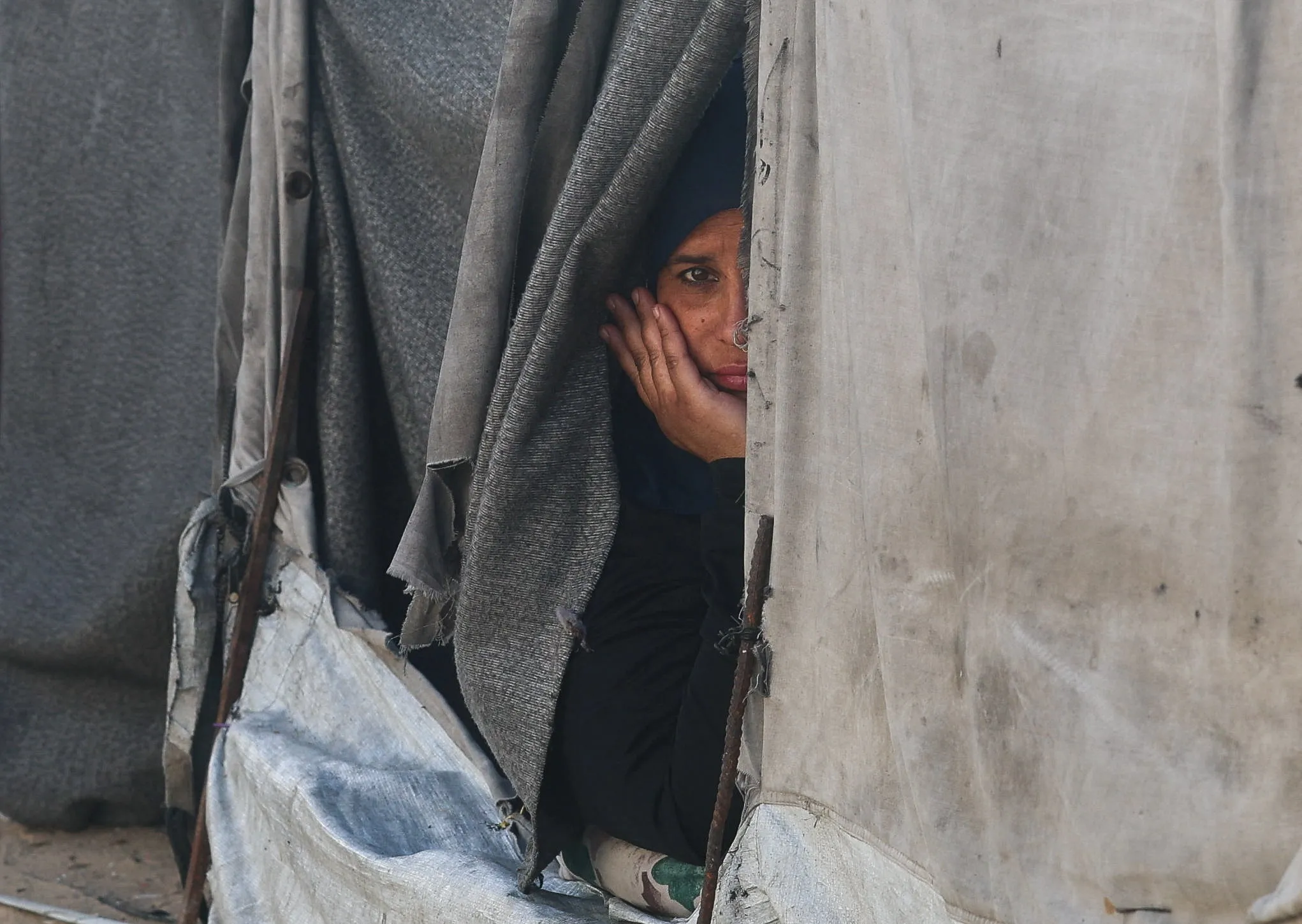
More than two million Palestinians remain displaced, and large areas of Gaza have been devastated by the conflict. The report says that funding shortages and restrictions have made it difficult to prepare for flooding and other winter conditions. Hamas has also been criticised for taxing incoming goods, which can affect access to basic commodities. The findings place renewed pressure on international mediators to prevent the agreement from collapsing. Without progress on security, governance and reconstruction, the ceasefire could remain fragile and leave civilians exposed to further hardship.