

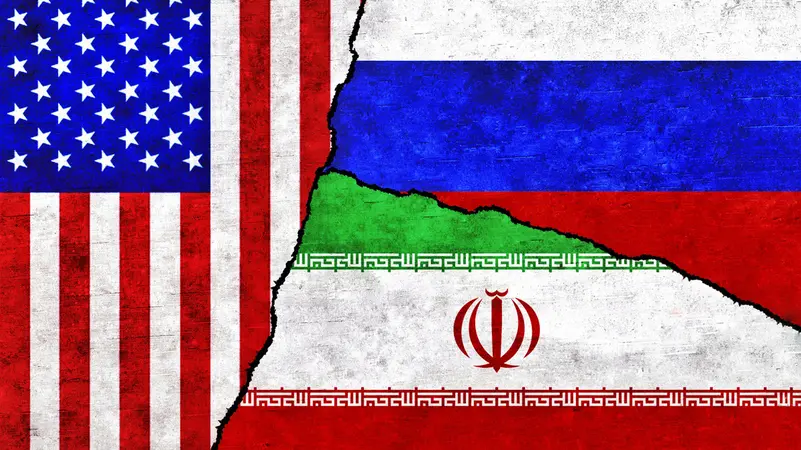
The Iran Middle East geopolitical conflict is increasingly shaping global security tensions as the United States, China, and Russia expand their strategic involvement in the Middle East. What was once viewed as a regional dispute is now being influenced by wider power competition between major world actors.
According to Daljoog News analysis, the situation reflects a deeper transformation in international relations, where localized conflicts are now interconnected with global geopolitical rivalries. This shift is reshaping how military, economic, and intelligence strategies are developed across regions.
The timing of these developments is critical, as overlapping crises—including the Ukraine war and US-China trade tensions—are reinforcing instability and making the Middle East a central arena of global strategic competition.
What Happened?
The Iran Middle East geopolitical conflict has drawn renewed attention following reports of increased indirect involvement by China and Russia. Intelligence-related claims suggest that both countries may be expanding cooperation with Iran through defense technology and strategic assistance.
According to US intelligence sources cited in international reporting, Russia could be using satellite-based systems to provide battlefield data that may assist Iran in tracking regional military targets. These claims remain unverified publicly but have raised concern among Western defense officials.
At the same time, reports indicate that China may be preparing to supply Iran with additional air defense systems designed to counter drones and low-altitude aircraft. If confirmed, such support could significantly strengthen Iran’s defensive military capacity.
The United States maintains a strong military presence across the region, with approximately 19 known bases located in Gulf countries such as Saudi Arabia, Qatar, Kuwait, and the United Arab Emirates. These installations remain central to US strategic operations in the Middle East.
Why This Matters
The Iran Middle East geopolitical conflict is not limited to regional security concerns. It represents a broader shift toward a multipolar global order where multiple powers compete for influence in strategically important regions.
If Iran gains access to advanced defense systems and intelligence support, it could alter the regional balance of power. This would affect not only military planning but also energy security, shipping routes, and global economic stability.
The conflict also highlights how regional crises are increasingly shaped by external powers. The Middle East is now functioning as a strategic intersection point where global rivalries play out indirectly.
What Analysts or Officials Are Saying
US intelligence officials argue that Russia’s satellite and surveillance capabilities could play a supporting role in the Iran-Middle East geopolitical conflict. However, they emphasize that much of the information remains classified or unconfirmed publicly.
Defense analysts believe Russia’s engagement with Iran is largely driven by strategic alignment formed under Western sanctions and the ongoing Ukraine conflict. This partnership is seen as part of a broader global realignment.
China’s involvement is interpreted in different ways. Some analysts point to energy security, as Iran remains a key oil supplier. Others view it as a response to long-standing trade and geopolitical tensions with the United States.
Official statements from the countries involved have largely avoided confirming or addressing these specific allegations, leaving much of the narrative based on intelligence assessments and media reporting.
Daljoog News Analysis
The Iran Middle East geopolitical conflict illustrates how modern warfare and diplomacy are increasingly interconnected across regions. Localized military tensions are now influenced by global strategic competition among major powers.
While narratives of direct “retaliation” between the US, China, and Russia are widely discussed, the reality is more complex. Each country is primarily acting based on its own national interests, security priorities, and alliance structures.
However, the overlap of multiple global crises is creating a fragile environment where actions in one region can quickly influence another. This interconnected system increases the risk of miscalculation and unintended escalation.
In this context, even limited military or intelligence cooperation can have significant geopolitical consequences, especially when transparency between rival powers is limited.
What Happens Next
The Iran Middle East geopolitical conflict is expected to remain a key focal point of international attention in the coming months. Military cooperation, intelligence activity, and diplomatic maneuvering are likely to continue shaping developments.
If broader global tensions persist, the Middle East may remain a long-term strategic battleground rather than a short-term crisis zone. This would further complicate efforts to stabilize the region through diplomacy.
Analysts expect behind-the-scenes negotiations to continue, but they also warn that sudden escalations remain possible if any party perceives a shift in strategic balance.