



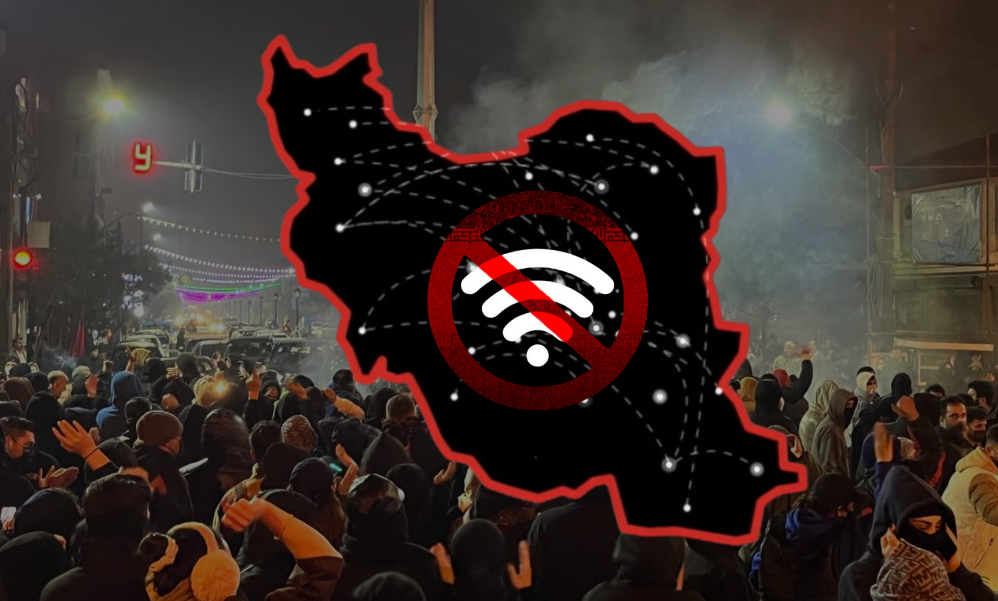
Iran internet blackout has now stretched close to 50 days, leaving large parts of the country with severely restricted access to global networks. Monitoring data from internet watchdog NetBlocks indicates prolonged disruptions affecting both mobile and fixed connections.
Iran internet blackout, according to Daljoog News analysis, reflects a deepening state of digital isolation where security concerns and geopolitical tensions are directly shaping access to information and communication across the country.
Iran internet blackout has emerged during a period of heightened regional pressure and internal security sensitivity, making connectivity not just a technical issue but a central part of daily economic and social stability inside the country.
What Happened?
Iran internet blackout has been reported across multiple regions, with users experiencing either full outages or heavily restricted access to international platforms. NetBlocks data shows repeated nationwide disruptions over several weeks, suggesting a sustained policy of connectivity control rather than short-term technical failure.
Iran internet blackout has also driven up the cost of mobile data inside the country. Reports indicate that just 1GB of internet data can cost the equivalent of around 700 Bangladeshi Taka or more, making basic digital access unaffordable for many citizens.
Iran internet blackout has forced people to rely on unstable domestic networks, while global services such as social media and messaging platforms remain largely inaccessible. In some cases, only limited services are functioning intermittently, with frequent slowdowns and interruptions.
Iran internet blackout has also led to growing attempts by some users to access satellite-based internet systems. However, authorities have warned of strict penalties, including heavy fines and prison sentences for unauthorized use of such services.
Why This Matters
Iran internet blackout is not only a technical disruption but a major economic and social shock. Businesses that depend on digital communication, online payments, and international coordination have been severely affected.
Iran internet blackout has disrupted small and medium-sized enterprises the most, as many are unable to process transactions or communicate with customers. This has contributed to wider economic slowdown in several urban areas.
Iran internet blackout has also impacted education and daily communication. Students and professionals are struggling to access online learning tools, research platforms, and global information sources.
Iran internet blackout raises broader concerns about information access and transparency, as restricted connectivity limits the flow of verified news and external communication channels for ordinary citizens.
What Analysts or Officials Are Saying
Iran internet blackout has been linked by digital monitoring groups to state-level control measures often implemented during periods of heightened security concerns. Organizations like NetBlocks have documented similar patterns of restriction in past sensitive periods.
Iran internet blackout is officially justified by authorities in previous statements as a security measure related to national stability and external threats. These explanations often focus on cybersecurity risks and internal control.
Iran internet blackout is viewed by independent analysts as part of a broader strategy of information management, where digital access is adjusted in response to political and security pressures rather than purely technical needs.
Daljoog News Analysis
Iran internet blackout highlights how digital infrastructure has become a strategic tool in modern governance. Iran internet blackout shows that internet access is no longer just a service but part of national security planning.
Iran internet blackout creates short-term control over information flow, but it also increases long-term economic pressure and weakens digital competitiveness. Businesses and education systems suffer most under prolonged restrictions.
Iran internet blackout also reflects a growing global tension between state control and open digital access. As satellite internet and alternative technologies expand, enforcement of strict digital borders becomes increasingly difficult.
Iran internet blackout therefore represents a case study in how extended digital isolation can reshape both economic stability and public communication in a highly connected global era.
What Happens Next
Iran internet blackout may continue if security conditions remain unchanged, with gradual or partial restoration depending on government policy decisions.
Iran internet blackout is likely to keep affecting business operations and digital communication unless broader connectivity reforms are introduced.
Iran internet blackout will remain under close international observation, especially from digital rights groups and economic analysts tracking long-term impacts of restricted internet access.