



Asian stocks moved in different directions on Thursday as investors weighed strong Nvidia earnings against concerns over inflation, economic growth and the cost of energy. The global AI trade remained a major force in markets, but investors also watched fresh US economic data and oil prices.
Japan’s Nikkei 225 slipped about 0.2 percent, while South Korea’s Kospi gained 1.5 percent. Taiwan’s Taiex also rose, adding about 0.5 percent. Hong Kong moved lower, while the Shanghai Composite gained around 0.6 percent. The mixed results showed that investors were still positive about technology but cautious about wider economic risks.
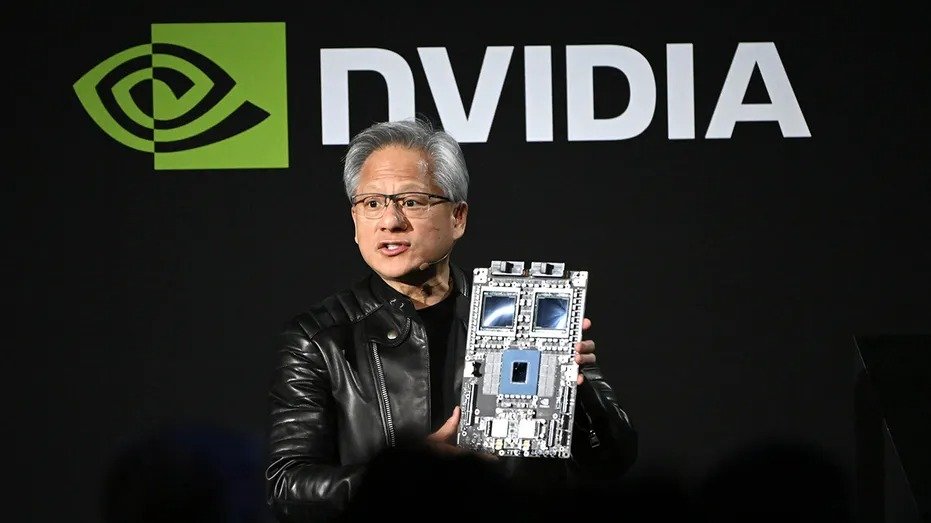
Nvidia was at the center of the market story. The chip giant reported revenue for the May to July quarter that more than doubled from a year earlier. Its results beat expectations and helped lift US futures in early Asian trading. Nvidia has become a key measure of demand for artificial intelligence chips and systems.
The strong results also helped calm some fears about the huge sums being spent on artificial intelligence. Tech firms around the world have invested heavily in data centers, chips and AI systems. Investors are now watching closely to see if those investments can produce enough profit.
The AI boom has had a major effect on markets in Asia. Japan, South Korea and Taiwan have all benefited from strong demand for chips and related technology. Samsung Electronics shares rose about 2 percent in South Korea on Thursday. The move showed how closely Asian markets remain tied to the wider technology cycle.
China offered a less positive signal. Industrial profit growth slowed to 11.2 percent in July from 15.1 percent in June. The figure suggested that parts of China’s industrial sector were losing some momentum. Investors therefore had to balance strong technology demand with signs of slower profit growth in the world’s second largest economy.
US markets had ended slightly lower on Wednesday. The S&P 500 fell less than 0.1 percent, while the Dow Jones Industrial Average dropped 0.2 percent. The Nasdaq also slipped 0.1 percent. Even so, the S&P 500 remained close to record levels.
Economic data added another layer of concern. The US economy grew at an annual pace of 1.5 percent in the April to June period, based on a revised estimate. At the same time, the Federal Reserve’s preferred inflation measure stood at 3.7 percent in the latest month. That was above the central bank’s 2 percent target.
Higher inflation can make it harder for the Federal Reserve to cut interest rates. Investors therefore need to consider both growth and inflation when judging the next move in US monetary policy. A strong economy may support company profits, but high inflation can keep borrowing costs high.
Oil prices also remained important. Brent crude was trading near $86.49 a barrel early Thursday, while US crude was around $81.84. Both prices were down about 0.5 percent at that point. Oil remains closely watched because higher energy costs can raise transport and production costs around the world.
The market picture on 27 August was therefore mixed. Strong Nvidia results gave technology shares fresh support. But inflation, slower industrial profit growth and high oil prices kept investors alert.
The wider global AI trade still has strong momentum. Yet markets are moving into a phase where investors may demand more proof that huge AI spending will lead to lasting profits. That could make the next round of company results and economic data especially important for global markets.