
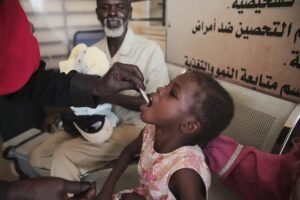

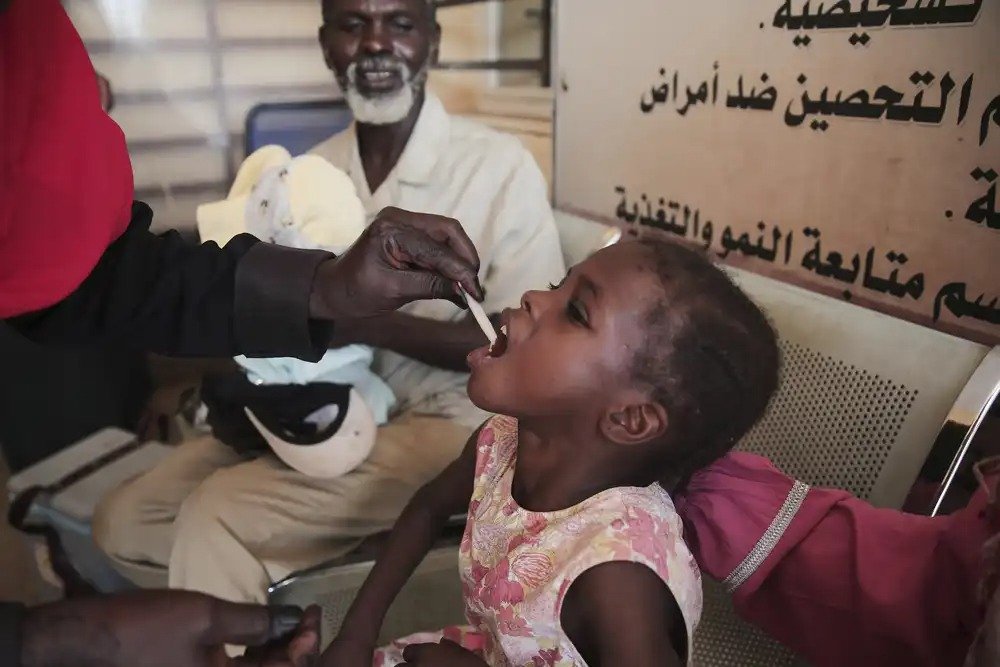
International humanitarian coordination reached a significant milestone as the UN launches cholera vaccination Darfur initiative, a ten day campaign aiming to immunize approximately 95,000 people in the Tawila area of North Darfur amid ongoing regional humanitarian crisis conditions.
The United Nations Office for the Coordination of Humanitarian Affairs announced this vaccination effort as part of broader international response coordination addressing severe humanitarian needs affecting populations displaced by ongoing conflict throughout the greater Darfur region.
Cholera outbreaks pose particular risk in areas experiencing significant population displacement and infrastructure disruption, given the disease’s connection to contaminated water sources and the challenges maintaining adequate sanitation infrastructure during prolonged humanitarian crisis conditions.
This vaccination campaign represents one component of broader international humanitarian efforts addressing the severe conditions affecting displaced populations throughout Darfur, where sustained conflict has created significant challenges for basic service delivery and public health protection.
International health organizations have prioritized rapid vaccination deployment given cholera’s potential for rapid spread within densely populated displacement settings, where compromised water and sanitation infrastructure can quickly enable disease transmission across large populations.
The logistics involved in reaching 95,000 people within a ten day timeframe present significant operational challenges, requiring substantial coordination among humanitarian organizations, local health workers, and community leaders to ensure effective vaccine distribution throughout the target area.
This humanitarian response occurs amid broader international attention on Sudan’s ongoing conflict, which has created one of the world’s most severe humanitarian crises, displacing millions of people and straining international relief capacity throughout the affected region.
Diplomatic coordination supporting this humanitarian response reflects continued international engagement with Sudan’s crisis, even as attention across the broader international community remains divided among multiple significant simultaneous global conflicts and humanitarian emergencies.
Health workers implementing this campaign face significant operational challenges, including security considerations given the conflict affected environment, logistical difficulties reaching all target populations, and the need for careful vaccine storage and administration protocols under challenging field conditions.
International funding supporting this and similar humanitarian initiatives throughout Sudan remains a significant ongoing concern, with humanitarian organizations continuing to advocate for sustained international financial support given the substantial scale of need throughout the crisis affected region.
As this vaccination campaign proceeds, international attention remains focused on both immediate public health outcomes and broader efforts addressing Sudan’s humanitarian crisis. This initiative represents a concrete example of international cooperation addressing urgent health needs amid ongoing conflict conditions.