

Iranian negotiators continued discussions with Qatari mediators in Doha on Sunday as diplomatic efforts aimed at ending the war involving the United States and Israel entered another important stage. The talks are taking place amid concern that fighting could intensify after the US midterm elections on November 3. Regional governments are seeking a way to prevent renewed attacks, protect energy supplies and reduce the risk of a wider conflict across the Middle East.
The discussions in Doha followed earlier meetings between Iranian and Qatari officials in Tehran. A source briefed on the negotiations told Reuters that the latest round was continuing for a third consecutive day. Qatar has been acting as a mediator, maintaining communication between the parties and helping explore possible steps towards an agreement.
The diplomatic effort comes at a time when military tensions remain high. US President Donald Trump has said Washington will not launch new attacks on Iran before the midterm elections, but he has not ruled out military action afterwards. His administration has described the discussions as productive, while also maintaining that the United States is prepared to respond if it believes further action is necessary.
Iran has warned that any new attack would lead to retaliation against US and Israeli targets in neighbouring countries. The country’s Supreme Leader, Mojtaba Khamenei, has instructed the armed forces to prepare for possible attacks, while the military has announced steps to improve its readiness. These developments show that diplomatic discussions are taking place alongside continued military preparations.
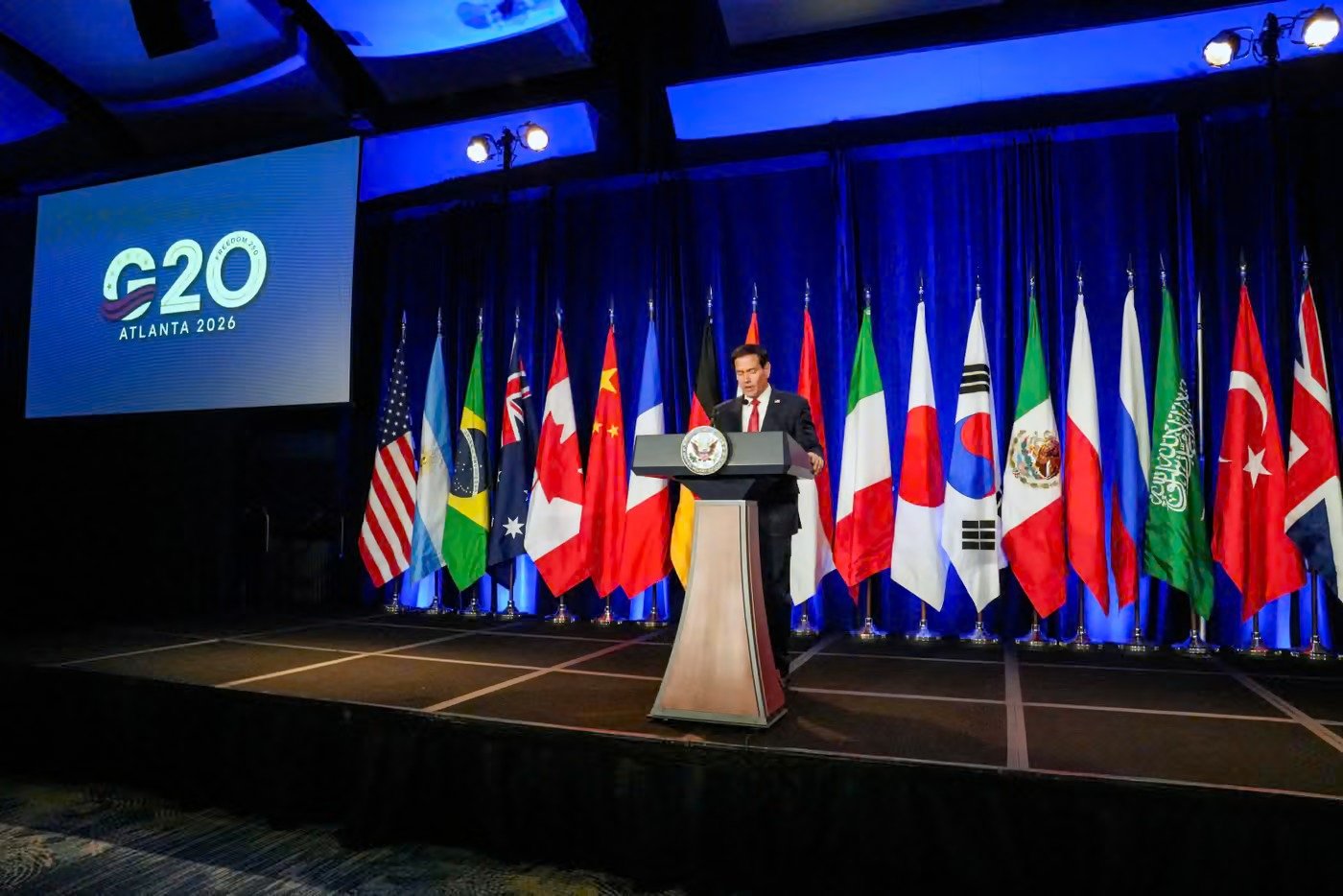
US Secretary of State Marco Rubio has said Trump has not made a decision about further strikes and would prefer to resolve the conflict through diplomacy. His comments suggest that Washington is still considering negotiations as a possible way forward, even though disagreements over security and regional influence remain substantial.
Qatar’s role is important because it maintains communication channels with several parties involved in the conflict. Mediators can help governments exchange proposals, clarify positions and explore limited arrangements that may reduce immediate tensions. However, the discussions have not yet produced a public agreement that would end the fighting.
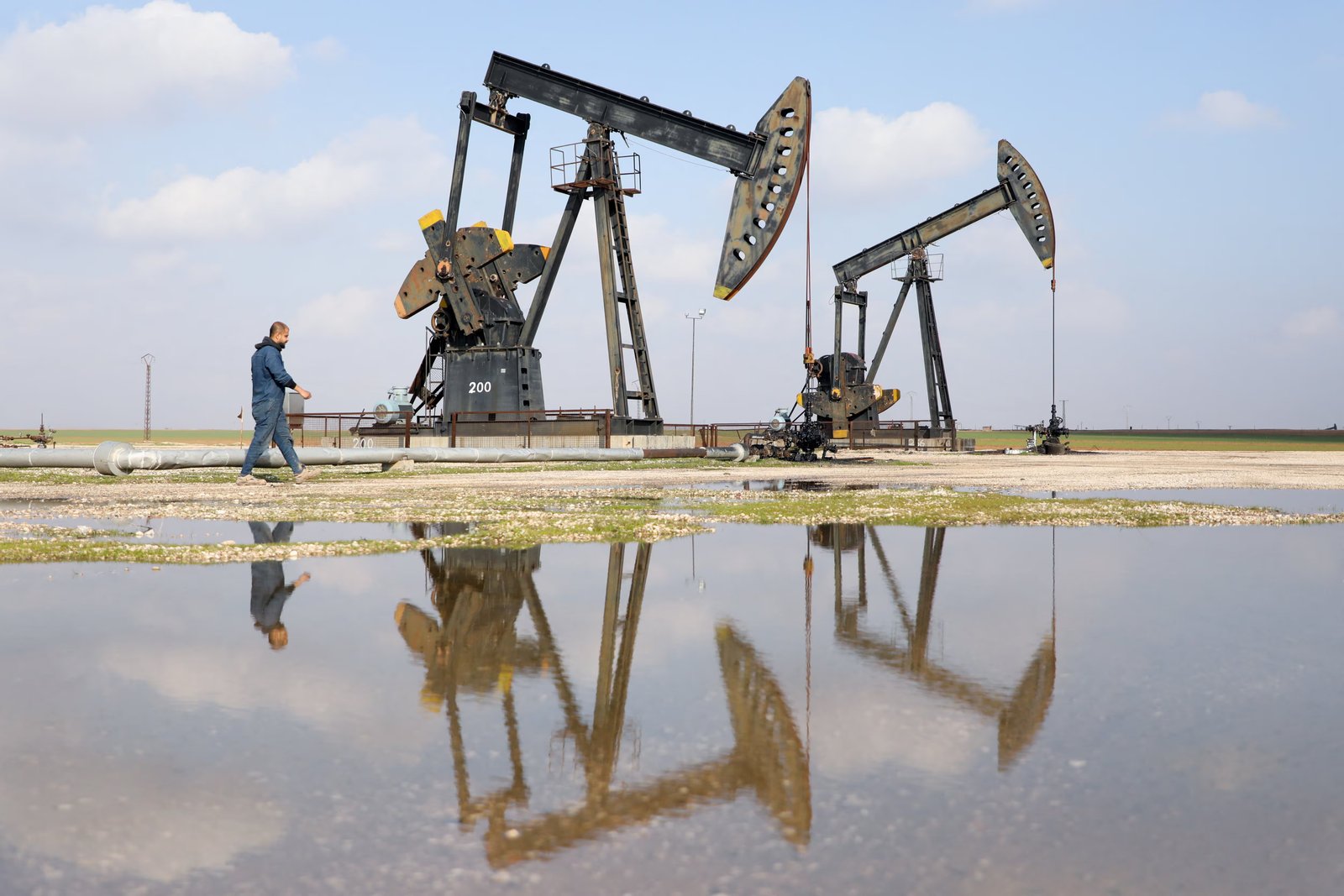
The war has also disrupted global oil supplies and affected energy markets. Shipping risks in the Gulf have created uncertainty for producers, buyers and governments that depend on stable supplies. Any further escalation could increase costs for transport and industry, while also placing pressure on economies already dealing with higher energy prices.
The diplomatic process faces difficult questions, including the future of Iran’s nuclear programme, restrictions on shipping and the conditions under which military operations could stop. Tehran and Washington have presented different proposals, and neither side has indicated that it is ready to accept the other’s demands without significant changes.
Despite these differences, continued discussions offer a channel for reducing the risk of immediate escalation. The next steps will depend on whether mediators can find proposals that both sides are willing to consider. The situation remains uncertain, but the talks demonstrate that diplomatic contacts are continuing even as military tensions remain unresolved.