

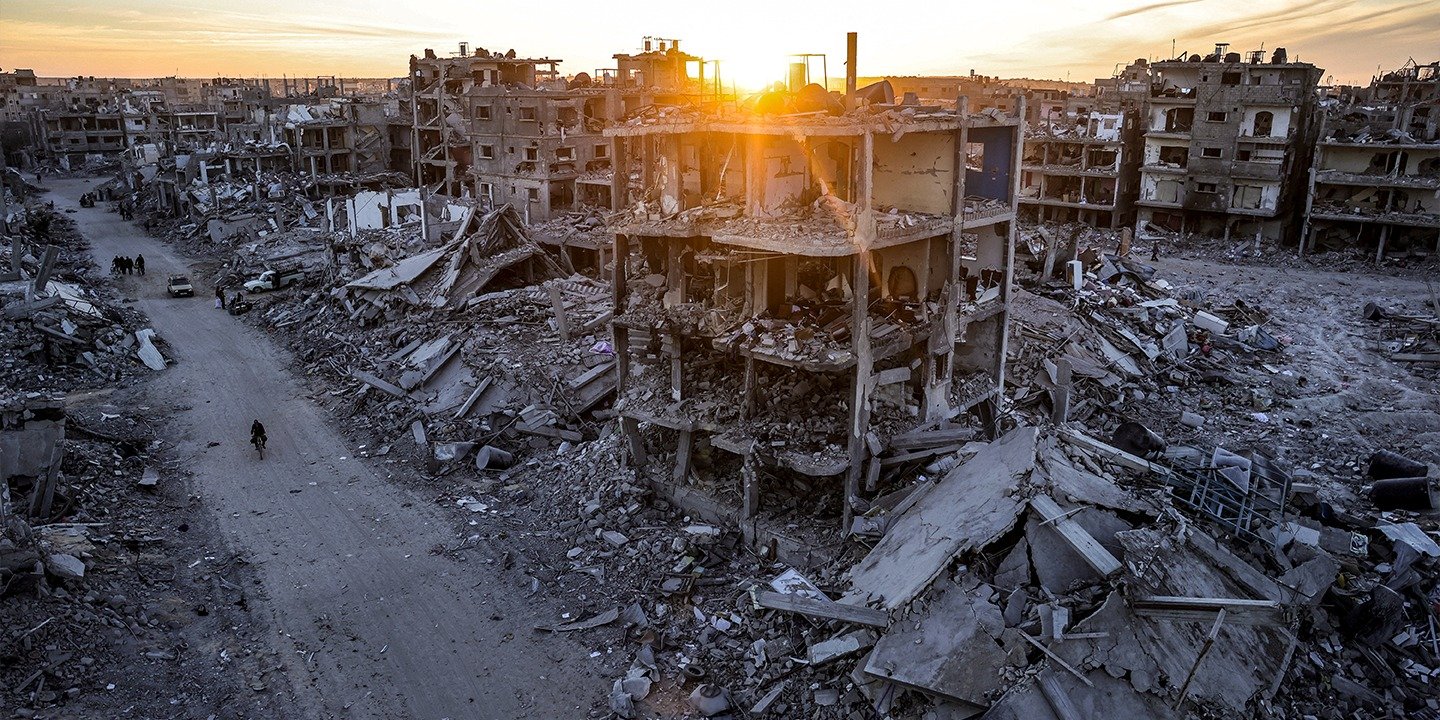
Nearly a year after a ceasefire agreement took effect in Gaza, the situation on the ground remains far from settled, even as international mediators push forward with a new roadmap aimed at ending the conflict for good. Diplomats describe the current phase as delicate, balancing fragile calm with continued flashpoints of violence.
Under the latest agreement, announced after mediators from Egypt, Qatar, Turkiye, and the United States finalized terms for the next phase of the ceasefire, armed groups in Gaza have agreed in principle to disarm in stages. In exchange, the agreement calls for a gradual withdrawal of military forces from the territory over time.
However, implementation has proven complicated. Reports from monitoring groups describe continued incidents of violence since the ceasefire took hold, including strikes and clashes that have resulted in casualties well after the truce officially began. Local authorities have documented thousands of alleged violations over the months since the agreement was signed, underscoring how far the situation remains from full peace.
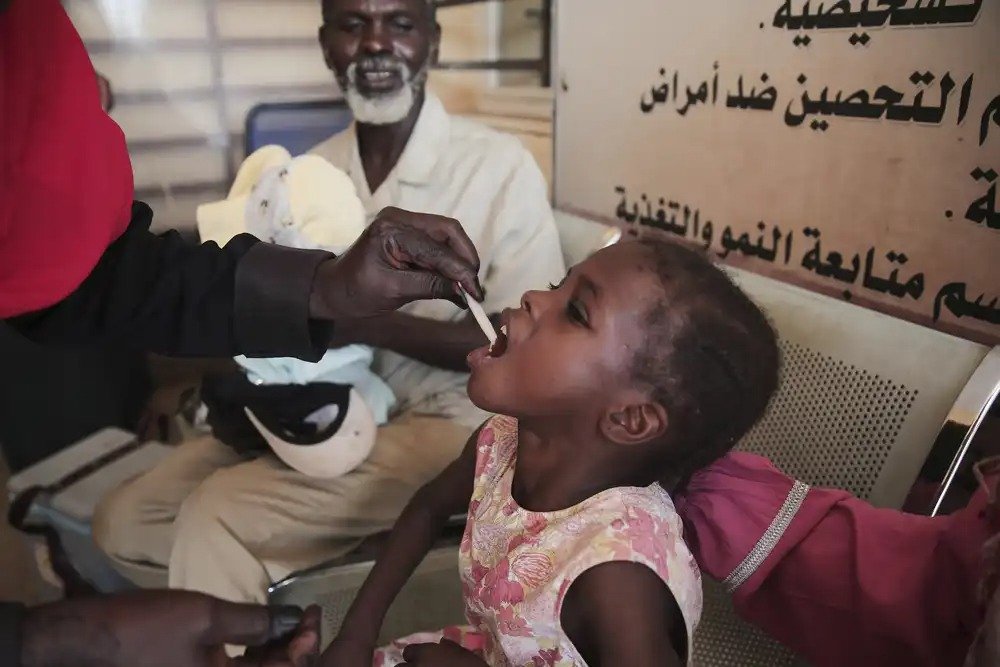
Humanitarian conditions in Gaza remain a central concern for international organizations. Aid groups have repeatedly raised alarms about restricted access for food, medical supplies, and reconstruction materials, arguing that meaningful recovery cannot begin until movement and access significantly improve across the territory.
Crossings into and out of Gaza remain tightly controlled, limiting both the flow of aid and the ability of injured residents to reach medical care outside the territory. Aid organizations say this bottleneck has slowed recovery efforts considerably, even as broader diplomatic talks continue toward a more lasting resolution.
Questions also remain over whether all armed factions operating in Gaza will fully commit to the disarmament terms, or whether some groups may resist giving up weapons even as the main political leadership agrees to the broader framework. Diplomats say this uncertainty represents one of the biggest risks to the ceasefire holding over the long term.
On the other side, whether military forces will complete a full withdrawal as outlined in the agreement remains similarly unclear. International observers note that previous phases of de-escalation in the region have sometimes stalled at similar points, with both sides accusing the other of failing to meet obligations under earlier agreements.
Regional mediators continue shuttle diplomacy aimed at keeping both sides engaged in the process. Egypt is expected to host further rounds of talks involving representatives from the key mediating countries, focused on ensuring compliance with the latest phase of the agreement and addressing disputes as they arise.
International reaction to the ongoing situation remains divided. Some officials point to the reduced overall intensity of violence compared to earlier periods of open conflict as evidence of real progress, while critics argue that continued strikes and restricted humanitarian access show the ceasefire remains more symbolic than substantive in practice.
As the anniversary of the original agreement approaches, diplomats acknowledge that a durable peace remains elusive. For residents living through what many describe as a state of “neither war nor peace,” the coming months of negotiation will likely determine whether the current fragile calm can finally give way to lasting stability.