


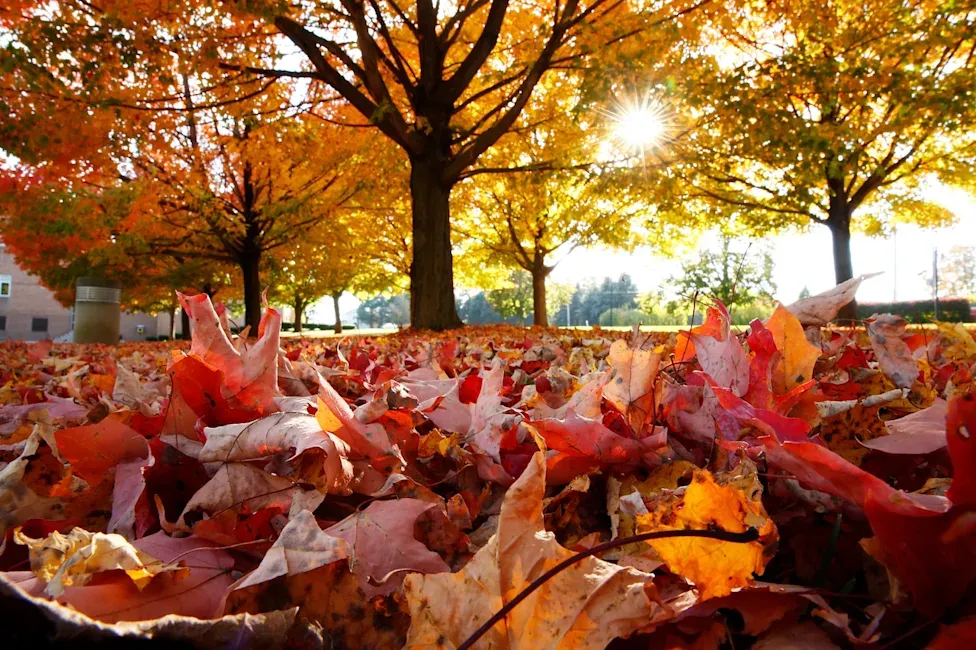
The autumn equinox is set to arrive later this week, marking an official seasonal shift. For much of the Northern Hemisphere, this signals the beginning of fall. Shorter days and cooler temperatures are expected to follow in the coming weeks.
The equinox occurs when day and night are nearly equal in length across most of the globe. This happens twice a year, in both spring and fall. It marks a key moment in the Earth’s yearly journey around the sun.
Many cultures around the world have long celebrated the changing of seasons. Harvest festivals and seasonal traditions often align closely with the timing of the equinox. These celebrations often focus on gratitude for the past season’s growth.
As temperatures begin to cool, many people start shifting their daily routines. Wardrobe changes, seasonal foods, and updated outdoor activities often follow the arrival of fall. Layered clothing becomes more practical as mornings and evenings grow cooler.
Fall also brings changes to daily light patterns that can affect mood and energy levels. Shorter daylight hours are common as the season progresses. Experts recommend spending time outdoors during daylight hours to help maintain a healthy routine.
Seasonal produce also begins to shift as fall approaches. Apples, squash, and root vegetables become more widely available in many regions. Home cooks often look forward to incorporating these ingredients into seasonal recipes.
Outdoor enthusiasts often view the equinox as a signal to prepare for changing conditions. Hikers and campers may begin adjusting gear for cooler temperatures. Many also take advantage of comfortable fall weather before winter arrives.
Gardeners also mark the equinox as an important seasonal milestone. Many begin preparing gardens for the colder months ahead. Planting certain fall crops or preparing soil for winter are common tasks during this time.
The changing season also brings a shift in daily rhythms for many households. Families often start planning cozy indoor activities as outdoor time becomes more limited. This seasonal shift is often associated with comfort and slower-paced routines.
Some communities host events specifically tied to the equinox and the change of seasons. These gatherings may include seasonal markets, nature walks, or educational programs about the science behind the equinox. Such events help connect communities with the natural rhythms of the year.
Health experts note that seasonal transitions can be a good time to reassess daily habits. Adjusting sleep schedules and outdoor activity levels can help ease the transition into shorter days. Small adjustments now can support overall wellbeing as the season changes.
As the equinox approaches, many are preparing to embrace the arrival of fall. Whether through seasonal recipes, outdoor activities, or simply enjoying cooler weather, the changing season offers a fresh rhythm. It serves as a gentle reminder of nature’s steady, recurring cycles.