



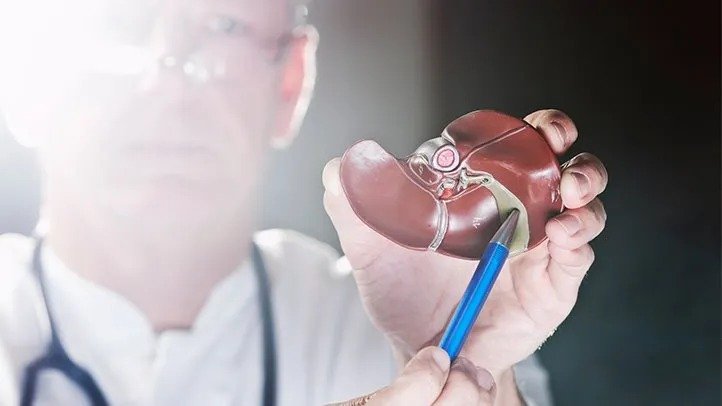
Today marks Gallbladder Good Health Day, a lesser-known health observance dedicated to raising awareness about an often-overlooked organ that plays an important role in the body’s digestive process. The gallbladder, a small pear-shaped organ located beneath the liver, stores and concentrates bile produced by the liver, releasing it into the small intestine to help break down fats during the digestive process, a function that many people rarely think about until problems with this organ actually arise.
Gallbladder health issues affect a significant number of people at some point during their lives, with gallstones representing among the most common conditions associated with this particular organ. These small, hardened deposits can form within the gallbladder when bile contains too much cholesterol or bilirubin, or when the gallbladder does not empty completely and regularly enough, potentially leading to various symptoms ranging from mild digestive discomfort to severe pain requiring emergency medical intervention in more serious cases.
Risk factors associated with gallbladder problems include several elements that overlap significantly with broader cardiovascular and metabolic health concerns, including obesity, rapid weight loss, certain dietary patterns high in fat and low in fiber, and various genetic and hormonal factors that can influence individual susceptibility to developing gallstones or other gallbladder-related complications over the course of a lifetime. Women, particularly during and after pregnancy, along with people over the age of forty, statistically face somewhat elevated risk levels compared to the broader general population.
Nutrition experts and gastroenterologists use awareness days like this one to highlight practical dietary approaches that can help support overall gallbladder health throughout life. Maintaining a diet rich in fiber from fruits, vegetables, and whole grains, while moderating intake of saturated fats and highly processed foods, represents one of the most commonly recommended approaches for supporting healthy gallbladder function and potentially reducing the risk of developing problematic gallstones over an extended period of time.
Recognizing potential warning signs of gallbladder problems represents another key focus of today’s awareness efforts, as symptoms can sometimes be mistaken for other digestive issues or dismissed as minor discomfort when they actually warrant medical attention. Sudden and severe pain in the upper right abdomen, particularly following meals high in fat content, along with symptoms like nausea, vomiting, or yellowing of the skin and eyes, can all potentially indicate gallbladder issues that benefit from prompt medical evaluation rather than being ignored or self-managed at home.
Medical treatment approaches for significant gallbladder problems have evolved considerably over recent decades, with minimally invasive surgical techniques for gallbladder removal, when necessary, now representing standard practice in most modern healthcare settings. This surgical procedure, while sounding significant to patients unfamiliar with it, typically involves a relatively short recovery period and allows most patients to resume normal digestive function without the removed organ, since the liver can continue producing bile even without gallbladder storage capacity.
As today’s observance continues, health advocates hope to raise general awareness about an organ that receives relatively little public attention compared to more commonly discussed aspects of digestive and metabolic health. Simple lifestyle awareness, combined with prompt attention to potential warning symptoms, represents the most valuable takeaway from today’s lighthearted but genuinely useful reminder to consider this often-overlooked but functionally important component of the body’s broader digestive system.