

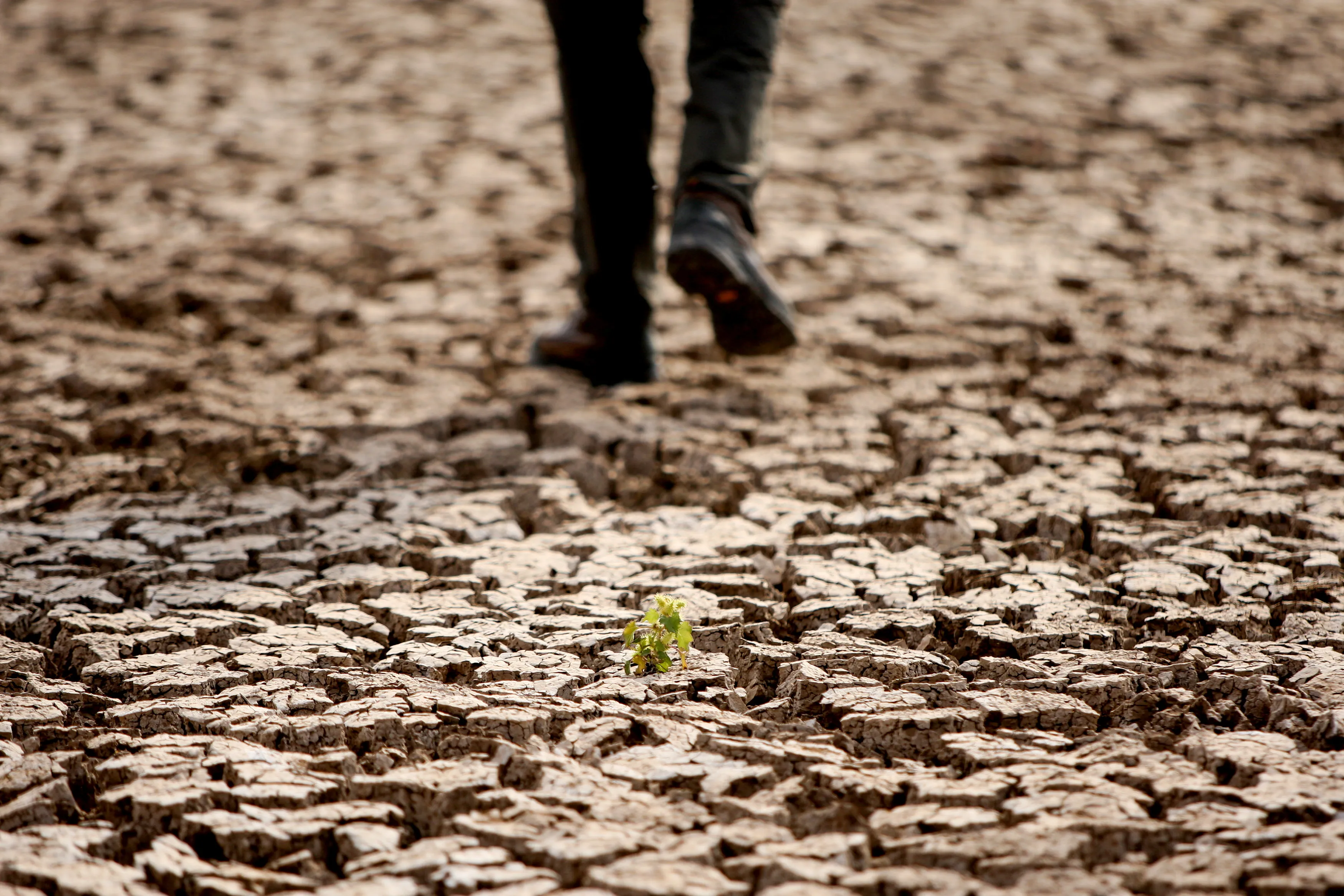
Farmers in western Turkey are changing the crops they grow as drought and rising costs make traditional farming more difficult. Some growers who once depended on cotton are moving towards crops that need less water. The changes show how climate pressure is affecting everyday life in rural communities and forcing farmers to rethink how they use their land.
Mehmet Kabak, a farmer in the town of Soke, has grown cotton on the same land for decades. This year, he has planted wheat and sunflower instead. Both crops need less water than cotton, which can make them cheaper to grow in areas where irrigation has become expensive. His decision reflects a wider trend among farmers who are trying to reduce losses and protect their livelihoods.
Agriculture plays an important role in Turkey’s economy, but it also uses a large share of the country’s water. Government figures show that farming accounts for around 79% of national water use. Much of that water is lost through inefficient irrigation systems and infrastructure. The problem has become more serious as dry weather puts pressure on rivers, dams and underground water supplies.
Turkey suffered its worst drought in more than 50 years last year, with rainfall well below the long-term average. Although dam levels have improved, experts warn that the relief may not last. Farmers are already facing higher fuel and fertiliser costs, which have made irrigation and crop production more expensive.
Many growers cannot afford to invest in modern irrigation systems. Some rent the land they work, making them less willing to pay for long-term improvements. Others cannot access loans because they lack the required savings or property to use as security. These barriers make it harder for smaller farms to adapt to changing weather conditions.
The Turkish government has promised more funding for land and water management, including investment in agricultural irrigation. Private banks and lenders have also introduced finance options for farmers who want to install more efficient systems. However, access to this support remains uneven, and many growers still have to pay costs before receiving any reimbursement.
The challenge is becoming more urgent as Turkey prepares to host the COP31 climate talks. Farmers and experts want decisions at the conference to lead to practical support, not only promises. For growers such as Kabak, the most important measure of success will be whether new funding reaches farms and helps them prepare for a drier future.