


Global oil prices surged significantly this week, with Brent crude settling above one hundred three dollars a barrel following reports that tensions tied to the ongoing conflict involving Iran continued widening rather than showing the de-escalation some market participants had hoped for based on earlier diplomatic signals. The sharp price increase, representing a gain of several dollars in a single trading session, reflected renewed market anxiety about the potential for further disruption to regional energy supplies and shipping routes critical to global oil markets.
This latest price surge marks a notable reversal from earlier in the week, when reports suggesting a possible phased agreement between the United States and Iran regarding the reopening of the Strait of Hormuz had briefly pushed prices lower and offered markets a moment of cautious optimism. The subsequent renewed climb higher illustrates just how quickly sentiment can shift in energy markets that remain acutely sensitive to any signals, however preliminary or unconfirmed, regarding the trajectory of this complex and evolving regional crisis.
Market analysts covering the situation have pointed to reports of Iran threatening to widen the broader Middle East conflict as a key factor driving this latest round of price increases, even as separate diplomatic channels reportedly continued exploring potential paths toward de-escalation through indirect contacts between American and Iranian officials. This apparent contradiction between escalatory rhetoric and continued diplomatic engagement has become something of a defining pattern throughout this extended crisis, making it particularly challenging for energy traders to confidently price in any single anticipated outcome.
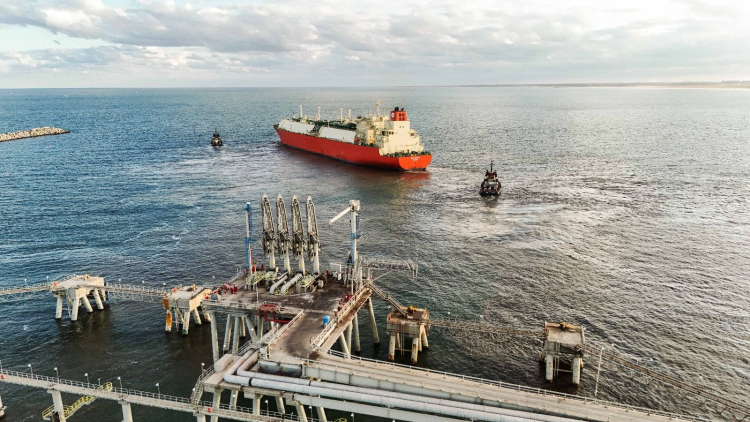
The Strait of Hormuz remains central to market concerns given its critical role in global oil transportation, historically carrying roughly a quarter of the world’s seaborne crude oil trade along with a significant portion of global liquefied natural gas shipments. Any sustained disruption to normal shipping traffic through this narrow waterway carries the potential to meaningfully affect global energy supplies and, by extension, broader inflation dynamics across economies that depend on stable and predictable energy import costs for their ongoing economic functioning.
Higher oil prices have already contributed significantly to broader inflation concerns weighing on financial markets this week, with rising energy costs cited as a key factor behind the substantial selloff in bond markets that pushed Treasury yields to multi-decade highs during the same period. This connection between energy price volatility and broader financial market stability illustrates how developments in this particular regional conflict continue rippling outward to affect economic conditions well beyond the immediate geographic area directly involved in the crisis.
Energy market analysts caution that continued volatility is likely to persist as long as the underlying diplomatic situation remains this fluid, with prices likely to continue swinging based on incremental developments in either direction rather than settling into any clear sustained trend. Some analysts have suggested that oil prices could climb considerably higher still if tensions continue escalating without any meaningful diplomatic breakthrough, while others maintain that the persistent economic incentives for de-escalation on multiple sides could eventually produce a more stable resolution that allows prices to moderate.
As markets continue processing this latest wave of price volatility, attention remains firmly focused on whether ongoing diplomatic contacts between the involved parties can eventually produce more concrete and durable progress toward de-escalation. Until such tangible developments materialize, energy markets appear likely to remain characterized by the kind of significant volatility seen throughout this week, reacting swiftly to each new headline while broader underlying uncertainty about the crisis’s ultimate trajectory continues to persist across the global energy trading community.