


Jewish communities around the world are preparing this week for the beginning of Sukkot, one of the most significant festivals in the Jewish calendar, which begins at sundown and continues for a full week of observance centered around themes of gratitude, harvest, and remembrance. The holiday’s most visible tradition involves the construction of a sukkah, a temporary outdoor shelter with a roof made from natural materials such as branches or bamboo, which families build and decorate in their yards, on balconies, or in community spaces in the days leading up to the festival’s start.
The sukkah itself carries deep symbolic significance, commemorating the temporary shelters that the Israelites are said to have lived in during their journey through the desert following the exodus from Egypt, according to the biblical narrative central to the holiday’s origins. Throughout the week-long observance, many families take meals inside their sukkah, and some observant households even sleep within these temporary structures overnight, weather permitting, as a way of more fully connecting with the holiday’s themes of impermanence, gratitude, and reliance on divine providence.
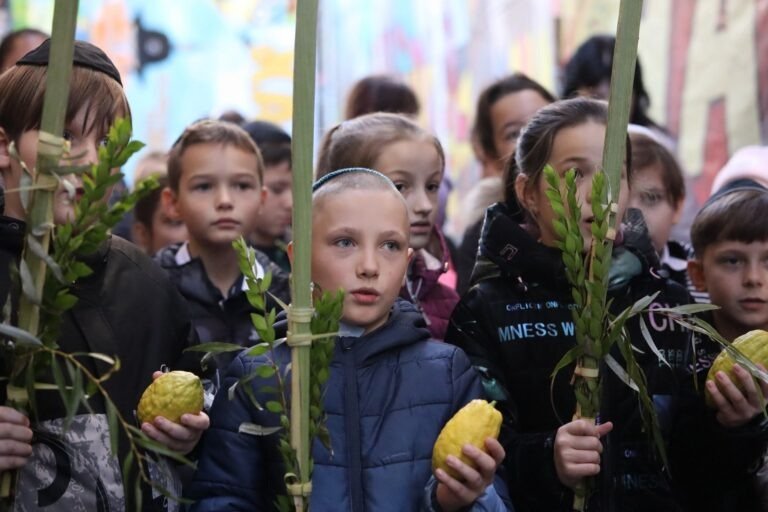
Beyond its historical and religious dimensions, Sukkot also carries strong agricultural significance as a harvest festival, historically marking the conclusion of the fall harvest season in the land of Israel. This agricultural connection remains reflected in various holiday customs, including the ritual use of four specific plant species during daily prayers throughout the festival, each carrying its own symbolic meaning within the broader observance connecting the holiday to themes of natural abundance and seasonal cycles.
Community gatherings play a significant role during Sukkot, with synagogues and Jewish community centers around the world hosting shared meals, educational programs, and social events throughout the week-long observance. Many communities construct large communal sukkahs specifically to accommodate gatherings too large for individual family structures, creating shared spaces where extended families, friends, and community members can come together to celebrate the holiday’s themes of gratitude and hospitality toward guests, a value particularly emphasized throughout traditional Sukkot observance.
Families with children often approach the holiday’s preparation as an opportunity for hands-on educational engagement, involving younger family members directly in the process of building and decorating the sukkah with artwork, dried fruits, and other traditional ornaments. This tradition of collaborative construction and decoration has helped keep the holiday’s practices feeling fresh and engaging even across generations, allowing families to pass down both the practical skills and deeper meaning associated with the observance to their children in a memorable, participatory way.
The holiday’s conclusion features its own distinct celebrations, including Simchat Torah, which marks the completion of the annual cycle of Torah readings and the immediate beginning of a new cycle, typically observed with joyful dancing and celebration within synagogue communities. This transition from the more contemplative themes of Sukkot itself into the joyous conclusion of Simchat Torah reflects the broader emotional arc that characterizes this particular stretch of the Jewish calendar, moving from themes of gratitude and impermanence toward renewed celebration and fresh beginnings.
As Jewish communities around the world begin this week’s observance, the holiday offers a meaningful opportunity for reflection on themes of gratitude, hospitality, and connection to both historical tradition and the natural cycles of harvest and season. Whether observed through elaborate community celebrations or quieter family gatherings within a modest backyard sukkah, the holiday continues to hold deep significance for Jewish communities navigating the balance between ancient tradition and contemporary life across the diaspora.