


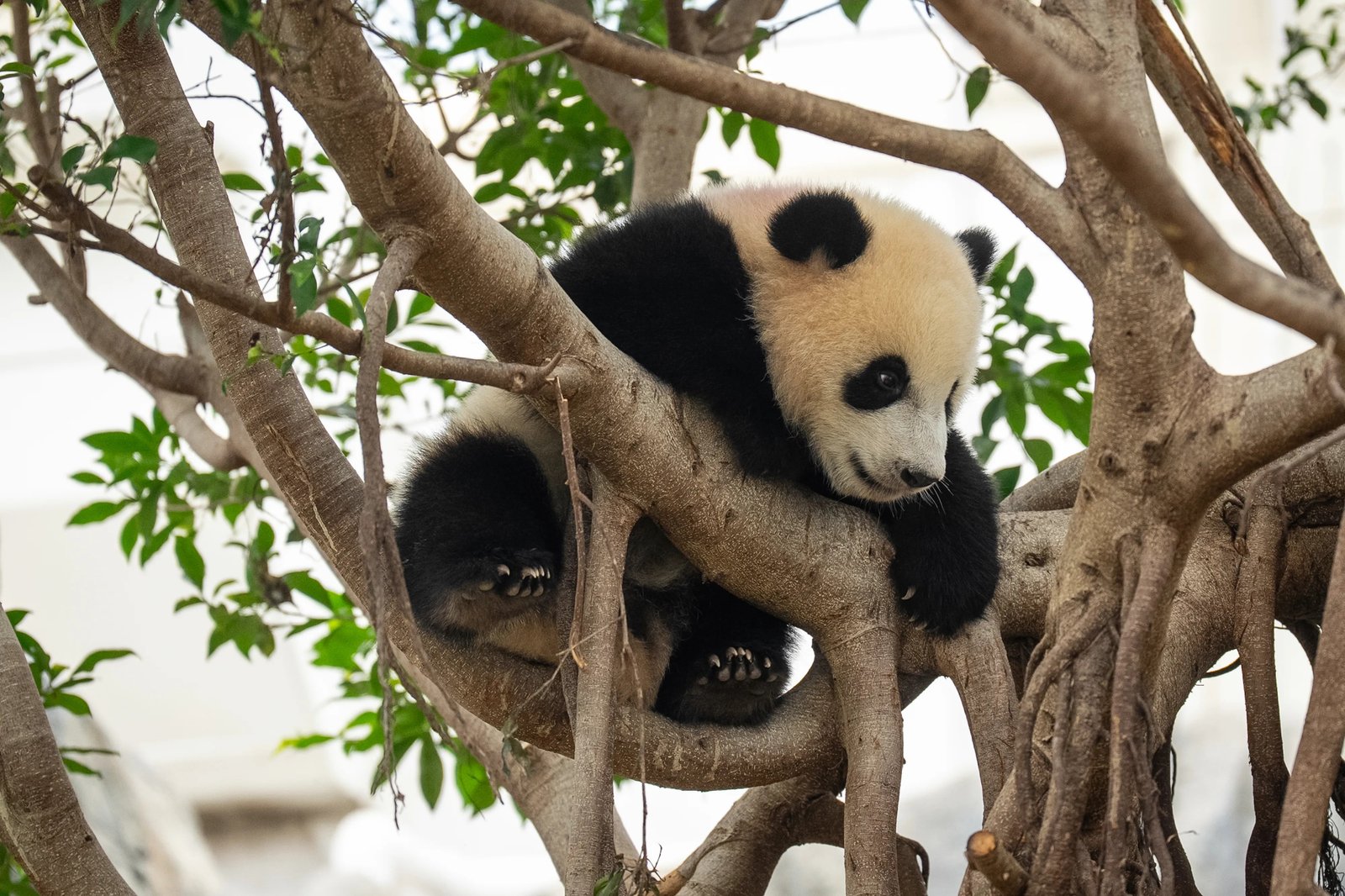
China announced this week that it will send two giant pandas to Zoo Atlanta as a goodwill gesture, an announcement made by President Xi Jinping during his high-profile state visit to Washington and widely interpreted by diplomatic observers as a symbolically significant signal amid broader efforts to stabilize the relationship between the two countries. The gesture follows Beijing’s earlier decision to recall four pandas from American zoos amid heightened trade tensions in recent years, making this reversal particularly notable within the broader context of this week’s diplomatic activity.
Panda diplomacy has a long and well-documented history as a barometer of the broader state of relations between China and its diplomatic partners, dating back decades to some of the earliest instances of China using these beloved animals as goodwill gestures toward nations with which it sought to build or strengthen relationships. The practice has evolved over time from outright gifts toward more structured loan arrangements, typically involving significant annual conservation fees paid by the host institution, but the underlying diplomatic symbolism has remained remarkably consistent throughout these changing arrangements.
The specific timing of this announcement, arriving during a summit focused primarily on substantive matters including trade negotiations, artificial intelligence safety frameworks, and regional security concerns involving Iran and Taiwan, illustrates how symbolic gestures continue to play a meaningful role even within otherwise serious and consequential diplomatic engagements. While pandas themselves obviously carry no direct bearing on complex trade negotiations or security discussions, the gesture nonetheless serves an important function in projecting an atmosphere of goodwill that can help create more favorable conditions for the harder substantive negotiations happening simultaneously.
Zoo Atlanta previously hosted giant pandas for many years before their return to China as part of broader panda loan arrangements between the two countries, making this new arrangement something of a homecoming for panda diplomacy at this particular institution. Zoo officials and conservation experts have generally welcomed such arrangements not only for their diplomatic symbolism but also for their genuine contributions to panda conservation research and public education about this endangered species, which remains a significant conservation priority for wildlife organizations worldwide.
The broader trajectory of this specific arrangement will likely depend on the continued evolution of the overall diplomatic relationship between the two countries, given how closely panda loan arrangements have historically tracked the general temperature of Chinese relations with various host nations throughout the practice’s extended history. Some diplomatic analysts have noted that renewed panda arrangements often follow periods of improving relations, suggesting this announcement may reflect genuine underlying momentum toward greater stability in the broader American-Chinese relationship following this week’s summit discussions.
Conservation organizations have generally welcomed continued panda loan arrangements regardless of their diplomatic dimensions, noting that the significant funding these arrangements typically generate supports valuable ongoing conservation research and breeding programs aimed at protecting the species from extinction. Giant pandas remain classified as vulnerable despite decades of dedicated conservation efforts, making continued international cooperation on research and public education initiatives an important component of broader efforts to ensure the species’ long-term survival in the wild.
As details of this new arrangement continue to be finalized in the coming months, the announcement itself already carries meaningful symbolic weight within the broader context of this week’s diplomatic engagement between the two countries. Whether this gesture ultimately proves to be a genuine harbinger of improving relations or simply a pleasant but limited diplomatic flourish within an otherwise complicated relationship remains to be seen, but the announcement has certainly added a warmer, more personable dimension to what has otherwise been a summit defined primarily by hard-nosed negotiations over trade and security.