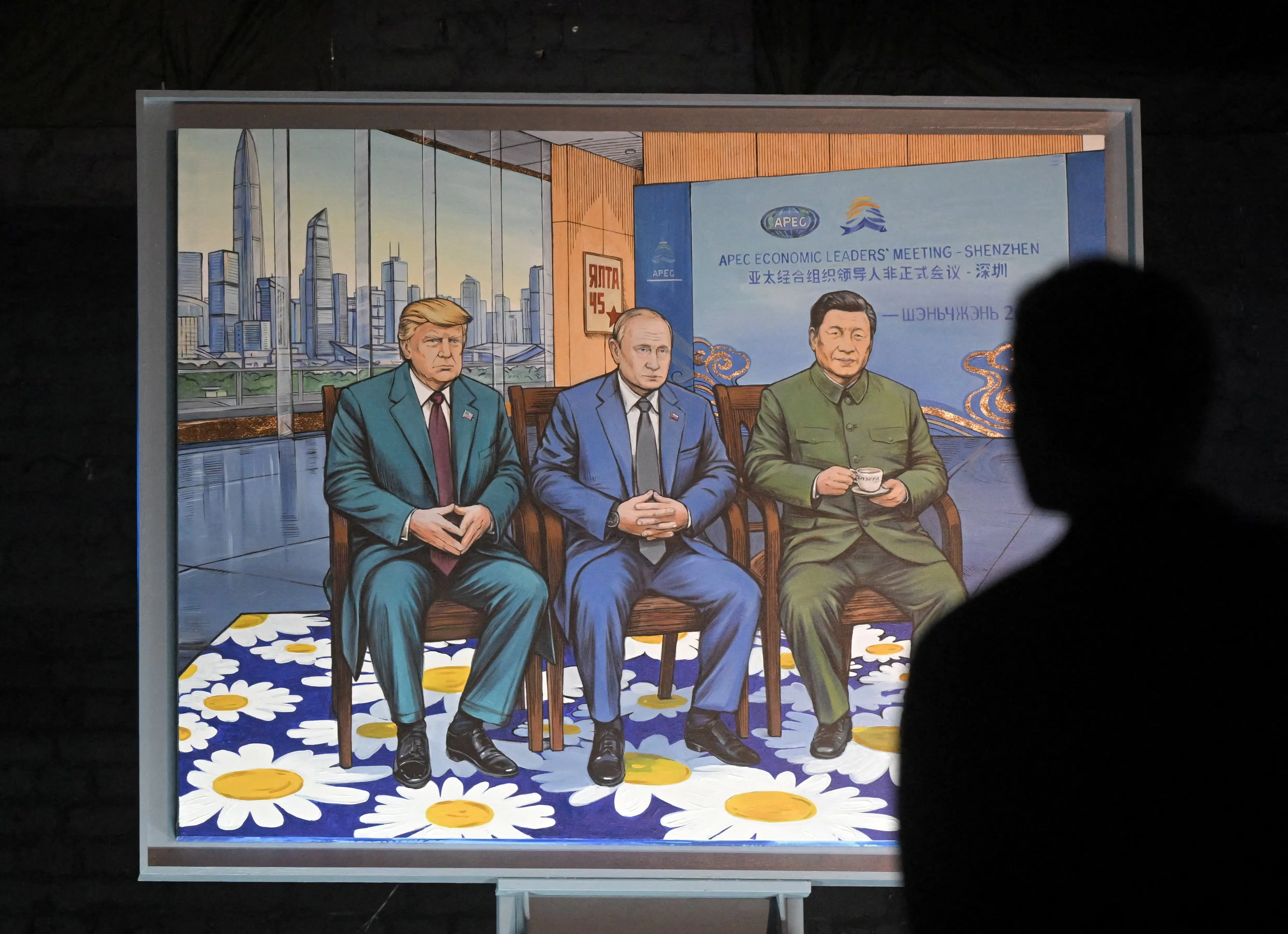


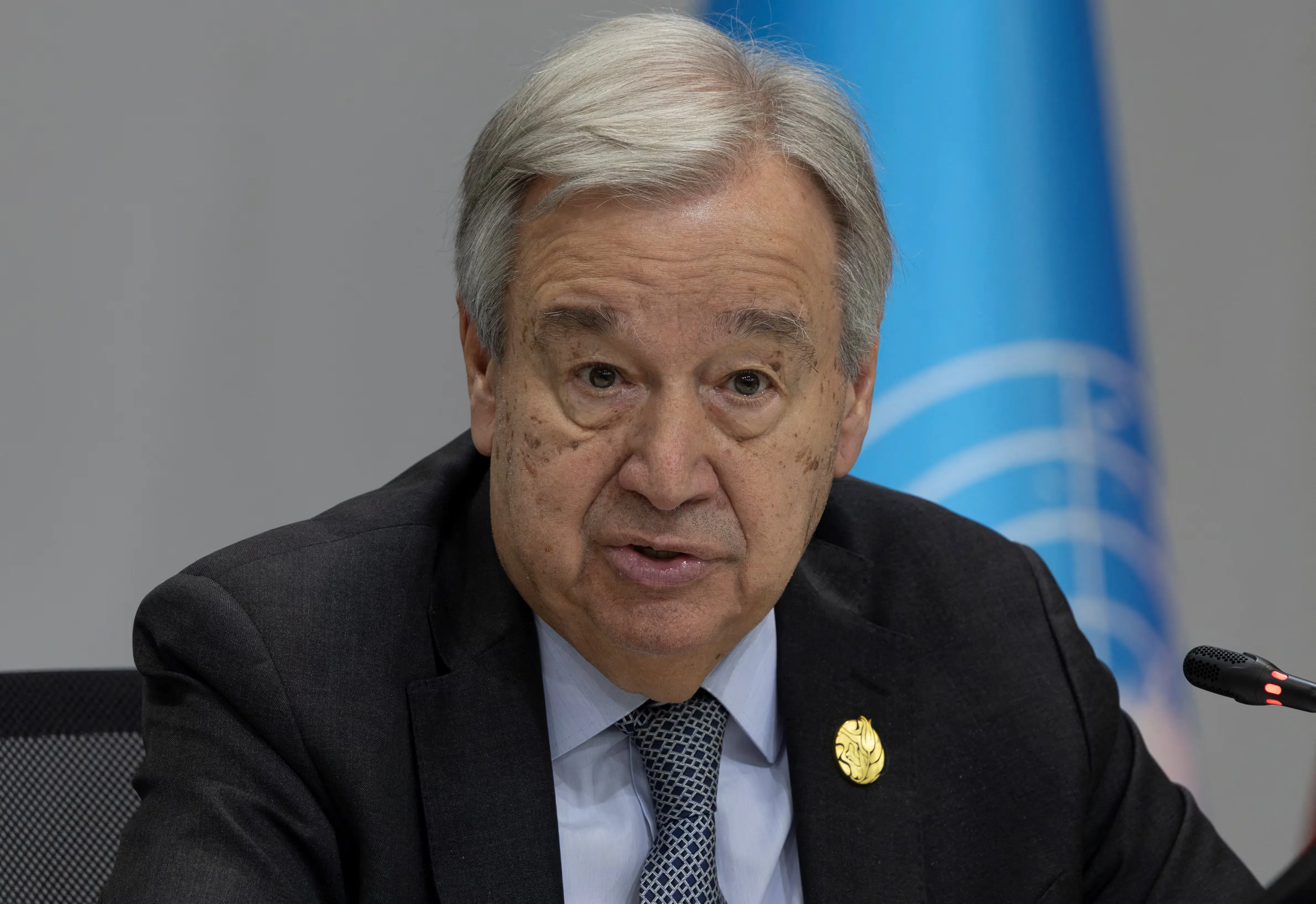
United Nations Secretary-General Antonio Guterres has said the organisation is ready to support any effort to reduce nuclear weapons that emerges from planned discussions between the leaders of the United States, Russia and China. President Donald Trump, Russian President Vladimir Putin and Chinese President Xi Jinping are expected to meet in Shenzhen on November 19 during the Asia-Pacific Economic Cooperation forum. The proposed discussion could bring together the leaders of the three countries with the world’s largest nuclear arsenals, although Guterres warned that an agreement should not be expected automatically.
The planned meeting comes as relations between major powers remain strained by military conflicts, trade disputes and growing competition over technology. Trump has pushed for nuclear arms reductions to become part of the discussions, but China has resisted direct negotiations with Washington on its nuclear programme. Beijing argues that the United States and Russia possess much larger arsenals and should take the leading role in reducing their weapons before China is expected to make similar commitments. The differences could make any agreement difficult, even if the three leaders agree that nuclear risks must be reduced.
Guterres warned that increasing geopolitical competition is making the risk of nuclear confrontation more serious. He said the international community needs meaningful diplomatic engagement rather than allowing tensions between major powers to continue rising. The secretary-general also discussed the conflict involving the United States, Israel and Iran during his visit to Manila for the ASEAN summit. He described the situation as neither peace nor war and said the continuing confrontation was damaging the global economy. His comments reflected concerns that regional conflicts could create wider consequences for international security.
The UN has repeatedly called for stronger international cooperation on nuclear disarmament and the prevention of military escalation. The upcoming meeting in China could provide an opportunity for the leaders to discuss possible steps, although major differences remain over weapons programmes, regional security and political trust. Guterres said the United Nations would support any serious initiative that could move the world toward lower nuclear risks. The outcome of the talks will be closely watched by governments and security experts concerned about the future of global arms control.