

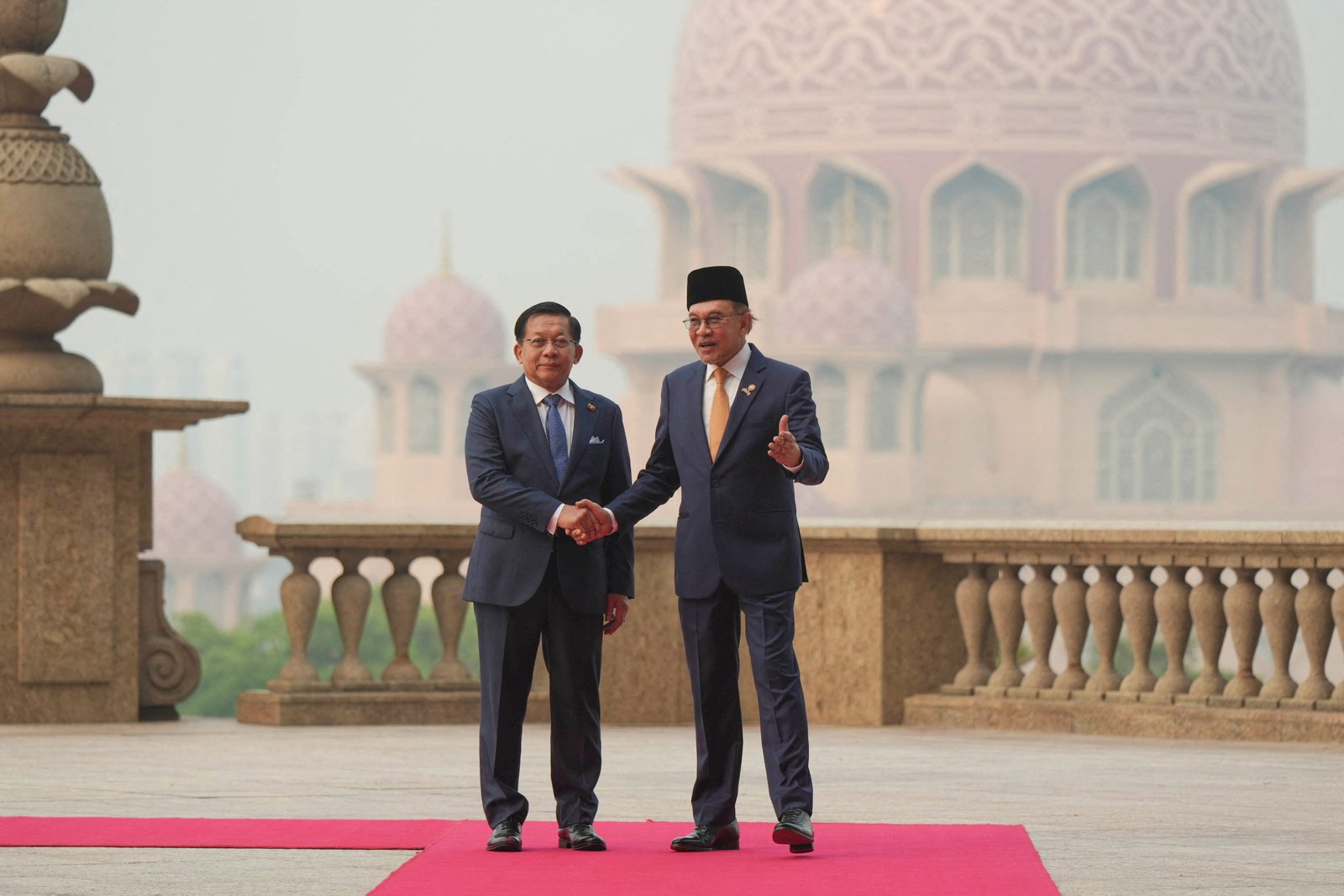
Malaysia Myanmar Diplomacy received new attention on October 8 as Malaysian Prime Minister Anwar Ibrahim said his country would do what it could to help Myanmar return to the regional community. Myanmar has remained deeply divided since the military took power in 2021, and its conflict has created serious problems for neighboring countries. Malaysia now wants to keep working with Myanmar despite the difficult political situation.
Anwar has argued that isolating Myanmar has not solved the country’s crisis. The military government has faced international criticism and pressure, but fighting has continued between the armed forces and several opposition and ethnic groups. Millions of people have been affected by violence and displacement. The conflict has also created problems for Southeast Asian countries dealing with refugees, border security and criminal networks.
Malaysia plays an important role because it is part of the Association of Southeast Asian Nations. ASEAN has tried to find a diplomatic solution through a five point peace plan that calls for an end to violence, dialogue between the sides and humanitarian assistance. Progress has been slow. The military government has continued its own political process while opposition groups have questioned whether the army can be trusted to lead a genuine transition.
Anwar’s approach suggests that Malaysia wants ASEAN to remain engaged. Rather than waiting for Myanmar’s leaders to meet every demand before opening contact, Malaysia wants to use dialogue to encourage movement. This is difficult because direct engagement can be criticized as giving legitimacy to the military. However, supporters of engagement argue that regional governments need to speak with the people who currently control territory and state institutions.
Myanmar’s crisis has also become connected to wider international competition. China has strong economic and political influence in the country, while Russia has developed close military ties with the Myanmar government. Western countries have imposed sanctions on senior military officials. ASEAN therefore has to balance its own regional approach with the interests of larger powers that are involved in Myanmar.
The humanitarian situation remains central to the debate. Fighting has forced large numbers of people from their homes, while access to food, health care and education has been disrupted in many areas. Neighboring countries have also faced pressure from refugees. Malaysia itself hosts many people from Myanmar, including members of the Rohingya community. Any long term solution will therefore require regional cooperation.
Anwar’s comments also show the importance of diplomacy that is led by countries in the region. ASEAN governments often prefer quiet negotiations rather than public pressure. Malaysia has previously taken active positions on regional conflicts and has tried to use its diplomatic relationships to encourage dialogue. The government believes that continued contact can create openings even when a complete political agreement is not yet possible.
The future of Malaysia Myanmar Diplomacy will depend on whether engagement can produce practical results. Myanmar’s military would need to reduce violence and allow wider political participation for the situation to improve. Opposition groups would also need to find ways to take part in political talks. Malaysia cannot solve the conflict alone, but its willingness to keep talking may help ASEAN maintain a role in one of Southeast Asia’s most serious crises.