

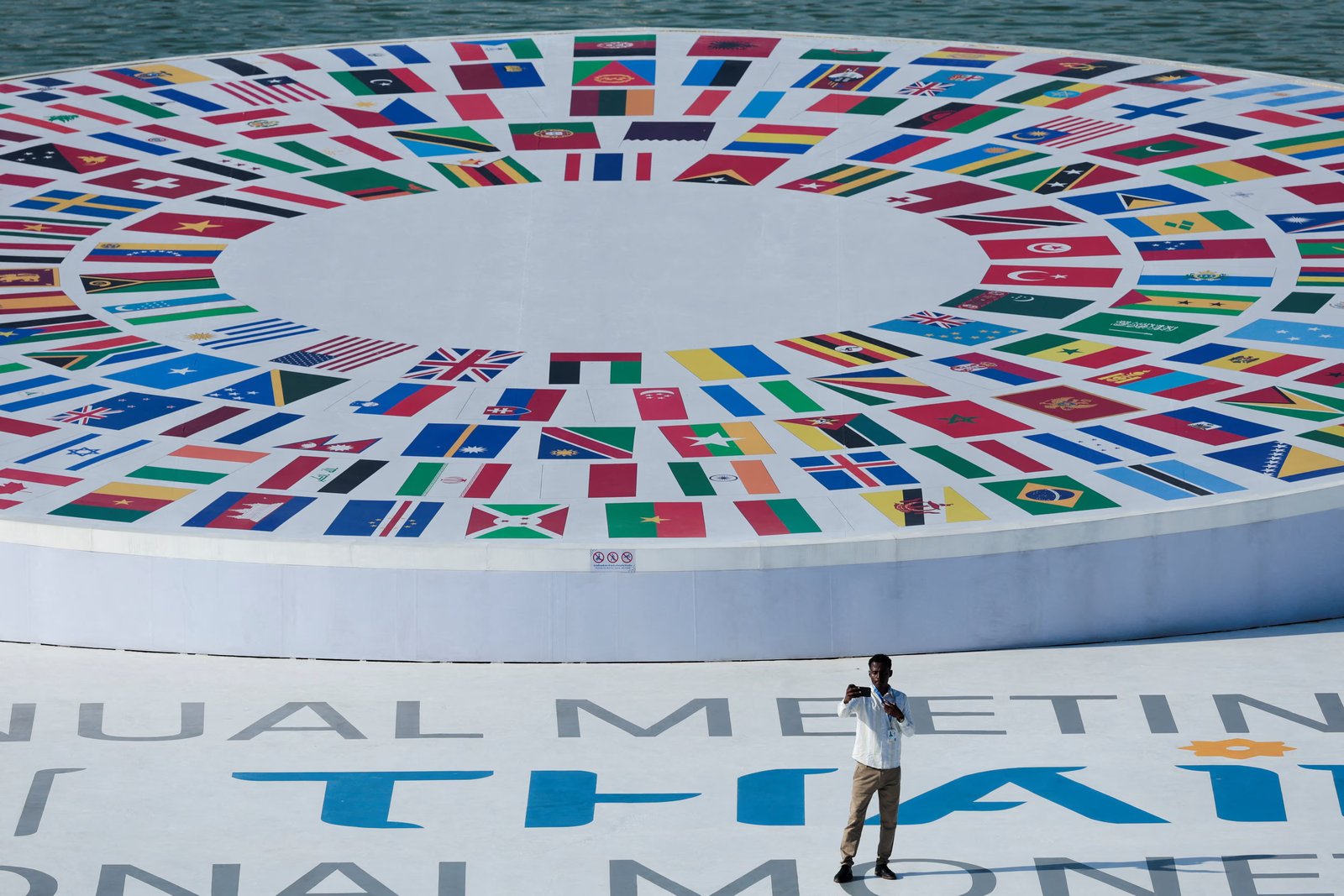
The International Monetary Fund has warned that the conflict in the Middle East could cause deeper economic losses if energy supplies and shipping routes remain disrupted. The organisation said high oil prices were already putting pressure on the global economy, even as investment in artificial intelligence helped support growth. A longer conflict could make the situation worse by raising costs for households, companies and governments.
The Strait of Hormuz is a key route for global energy shipments. Any prolonged disruption can affect the movement of oil and other goods, forcing buyers to seek alternative supplies. These changes can increase shipping expenses and insurance costs. Businesses may pass some of the extra costs on to consumers, making food, transport and other essentials more expensive. Countries that depend heavily on imported energy are especially vulnerable to these changes.
The IMF’s latest outlook also points to differences between countries that benefit from technology investment and those suffering from conflict or high energy costs. Some Gulf economies face serious pressure from the war, while other countries may gain from increased spending on AI infrastructure. The organisation said governments need to prepare for risks rather than rely on short-term measures alone. Restoring fiscal stability, strengthening energy resilience and protecting vulnerable households may become more urgent if the conflict continues.