

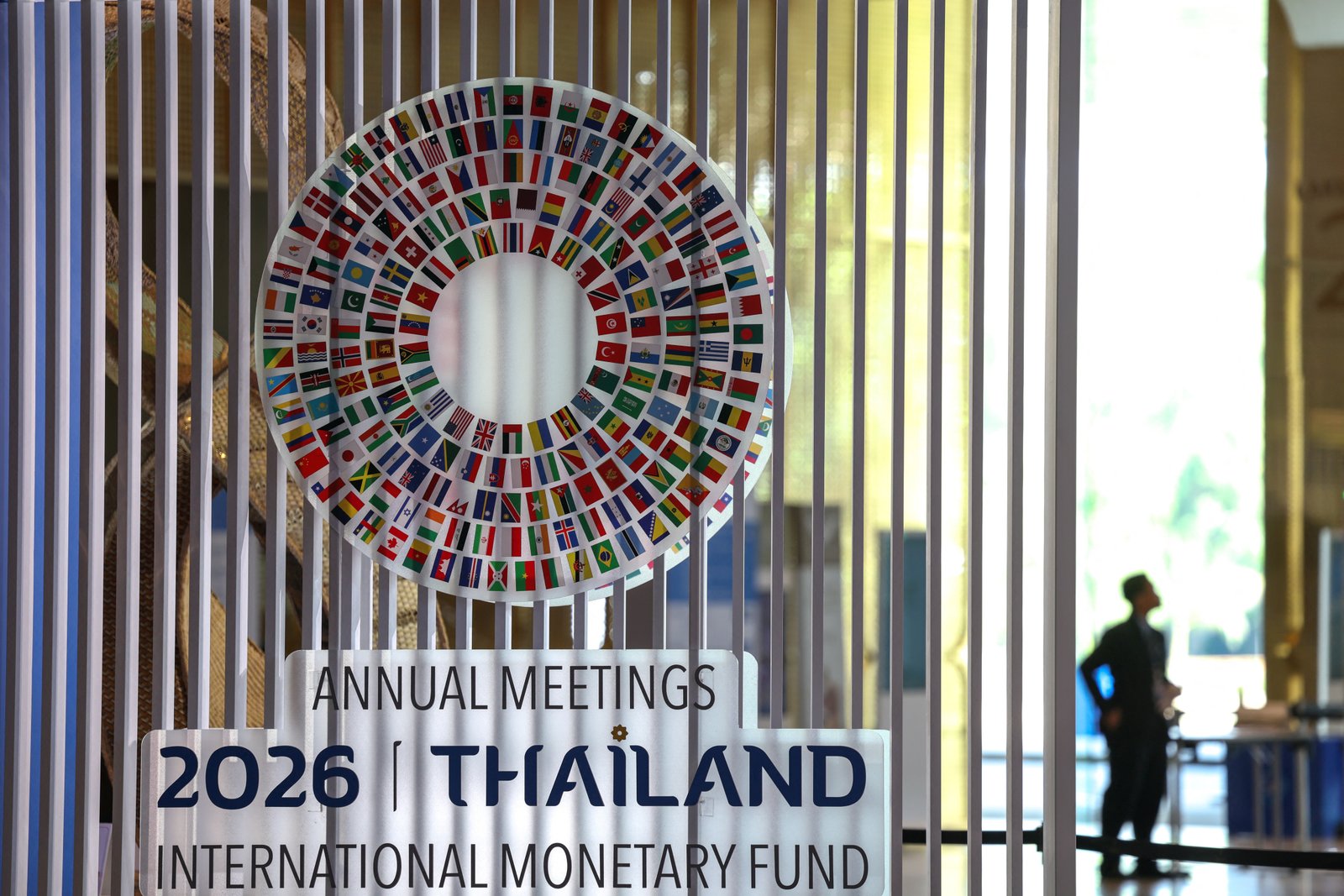
The global economy is facing a major energy supply shock as conflict in the Middle East disrupts oil flows and pushes up costs for businesses and households. Finance officials preparing for the IMF and World Bank meetings in Bangkok are expected to discuss the economic effects of the crisis. The disruption has increased concern about inflation, public debt, and the risk that weaker growth could spread across several regions.
The Strait of Hormuz is central to the crisis because it carries a large share of the world’s oil shipments. Restrictions on traffic through the route have reduced the amount of energy reaching global markets. When supply falls while demand remains high, prices can rise quickly. That affects not only fuel bills but also the cost of transporting food, producing goods, and running factories.
Governments have taken steps to ease pressure on energy markets. Major economies have agreed to release oil and diesel from emergency reserves, while a separate US-Russia agreement is intended to increase diesel supplies. These actions may help provide short-term relief, but they cannot fully replace the energy normally carried through the affected shipping route.
The crisis is also affecting fertilizer prices. Farmers rely on energy to produce and transport fertilizer, so higher costs can increase the price of growing crops. If farmers use less fertilizer or pass on the extra cost, food prices may rise. Poorer households are especially vulnerable because food and transport often take up a large share of their income.
Developing countries face added pressure because many already carry high public debt. As interest rates rise, governments must spend more money on debt payments and may have less available for schools, hospitals, infrastructure, and social support. Some countries may be forced to cut spending or raise taxes, which can create public anger when living costs are already high.
The IMF has kept its global growth forecast for 2026 near 3%, but officials are monitoring the impact of the war. A prolonged disruption could weaken the outlook and force further changes to forecasts. The effect will depend on how long energy supply remains restricted and whether governments can prevent high prices from spreading through the wider economy.
The crisis highlights how closely security and economics are linked. A conflict in one region can affect fuel prices, public budgets, food costs, and business plans around the world. Governments will need both short-term relief and longer-term plans to reduce dependence on vulnerable supply routes. Until the situation improves, energy markets and the global economy are likely to remain under pressure.