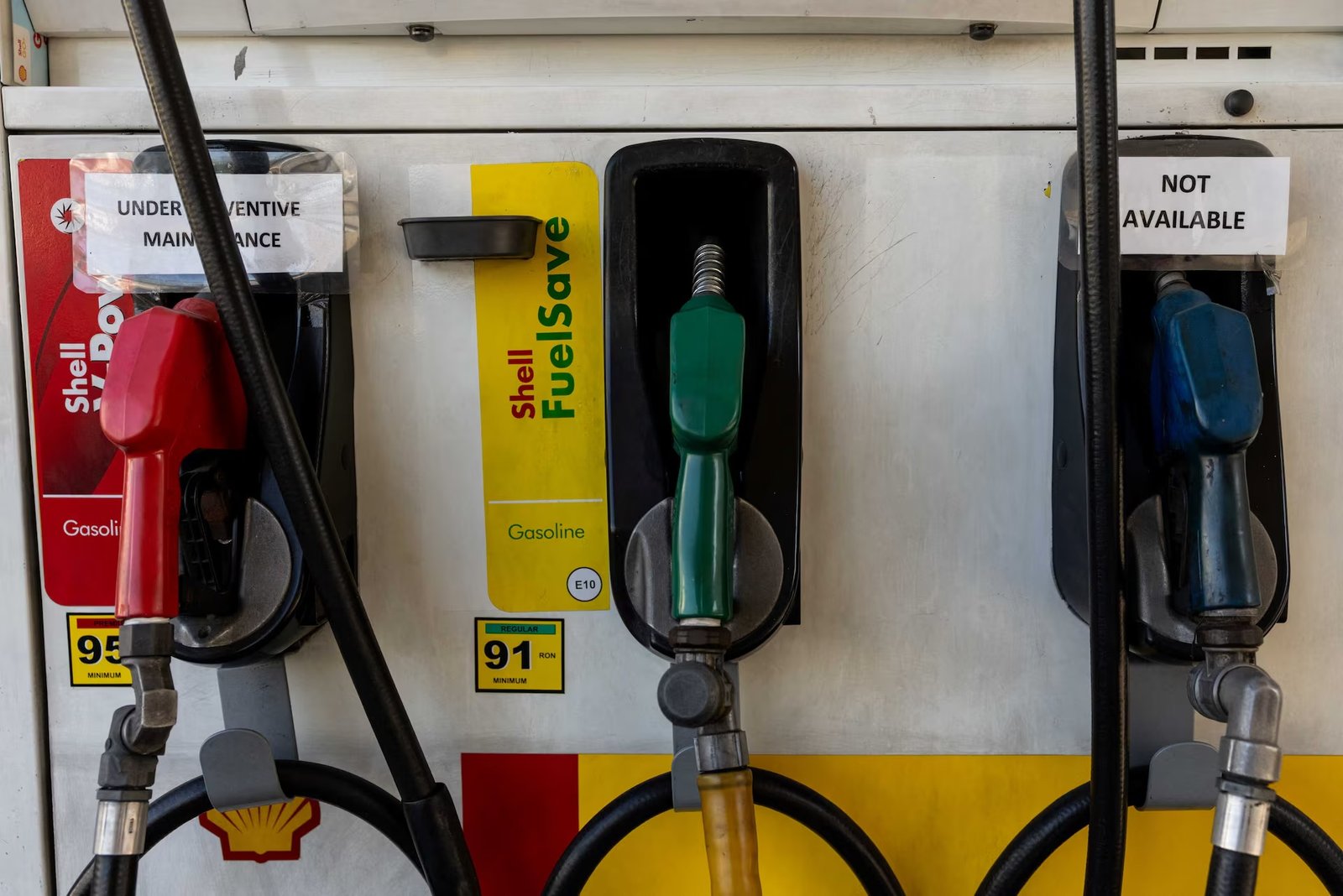



Shell expects its refining business to report one of its strongest performances as the war involving Iran continues to tighten fuel supplies and push prices higher. The company said on October 7 that third quarter refining margins could reach about $42 a barrel. That would be a sharp increase from $24 a barrel in the previous quarter and would give the major energy company a large boost from its fuel trading and refining operations.
The increase in refining margins shows how conflict can affect different parts of the energy industry in very different ways. Consumers and transport companies face higher fuel costs when supplies become tight. Large energy companies with access to crude, refineries and trading networks can sometimes benefit from the same market conditions. Shell is now expecting a strong result from its refining and trading operations because demand remains high while available fuel supplies are under pressure.
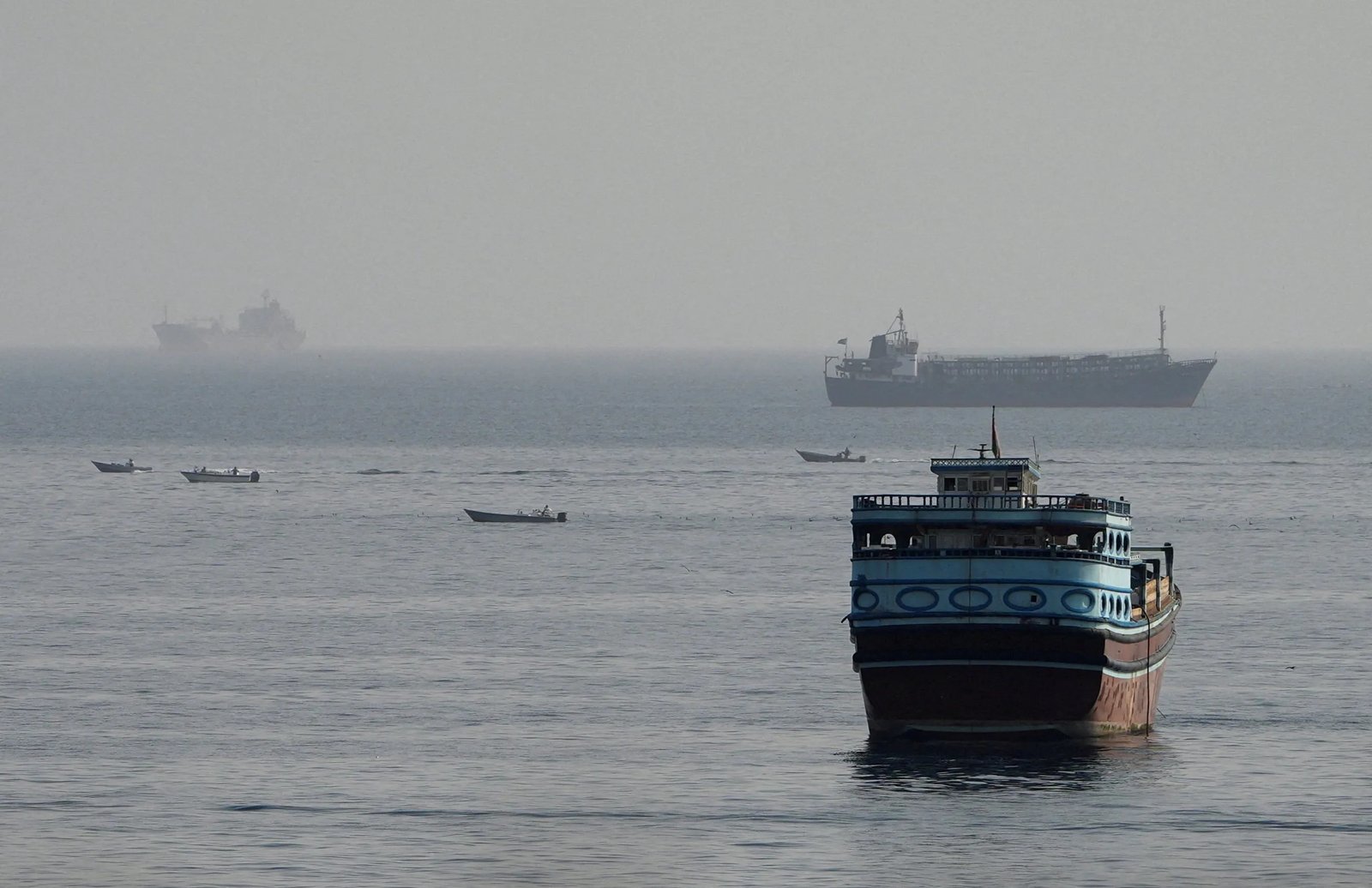
The Iran war has created major disruption in regional energy markets. After US and Israeli attacks on Iran, the Strait of Hormuz was effectively closed to normal traffic for much of the period. The route is one of the world’s most important energy corridors. Large volumes of oil and gas normally pass through the area, so any disruption can quickly affect prices and supply expectations in countries around the world.
The higher prices have also pushed governments to consider emergency action. G7 countries have agreed to release oil and diesel reserves to add supply to the market. The International Energy Agency is also discussing reserve measures. These steps are designed to reduce pressure on consumers and businesses, but they also show how serious the energy disruption has become.
Shell’s wider business is also changing. The company raised its forecast for integrated gas production for the third quarter, partly because of its acquisition of Canadian company ARC Resources. It expects gas production to be stronger than previously predicted. The company also gave a higher forecast for upstream oil and gas production, although refinery operations in Europe could face pressure from low water levels on the Rhine River.
The strong refining outlook is likely to increase expectations for Shell’s overall financial performance. The company’s oil and gas trading activities were already a major source of profit in the previous quarter. If margins remain high, the business could again make a large contribution to earnings. The company may therefore benefit from market conditions that are causing financial pain for households and smaller businesses.
However, high profits during an energy crisis can also attract political attention. Governments are under pressure to control fuel costs, while consumers want protection from sudden increases. Energy companies must balance the need to operate profitably with growing public concern about the impact of expensive fuel. This debate often becomes stronger when a conflict is responsible for the supply shock.
Shell’s October 7 update shows how closely corporate results are linked to world events. The company did not create the supply problems, but it is operating in a market shaped by them. If the war continues, refining margins could remain high. If energy routes reopen and supply returns to normal, those margins could fall again. For now, Shell is preparing for a quarter in which tight fuel markets are expected to provide a major financial boost.