


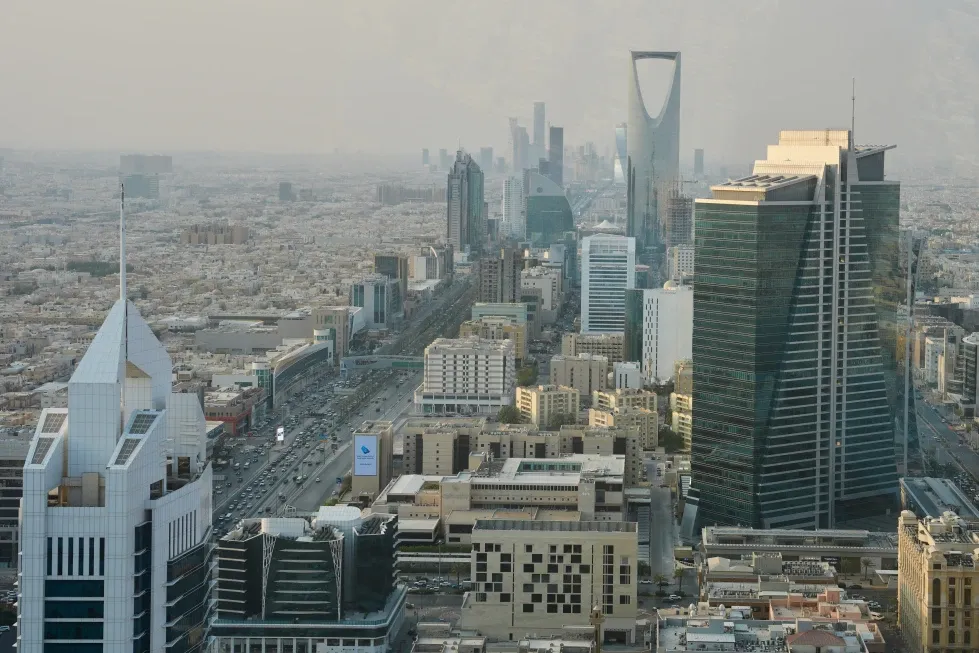
A senior Saudi diplomat has accused Iran of encouraging a rise in attacks by Yemen’s Houthi movement, adding to tensions across the Middle East. The allegations come as strikes have reportedly targeted important sites in Saudi Arabia, including energy facilities and transport infrastructure. The accusations have increased pressure on regional governments to respond while keeping diplomatic channels open.
Saudi Arabia’s deputy minister for public diplomacy, Rayed Krimly, said the attacks had caused deaths and damage and described them as serious violations. He also criticised the Houthis for rejecting a Saudi invitation to take part in peace talks in Oman. The group has continued to fight in Yemen, where years of conflict have left communities facing insecurity and hardship.
The Saudi government says it maintains communication with both Iran and the Houthis, even as it blames Tehran for supporting the movement. Iran and Saudi Arabia restored diplomatic relations in a deal announced in 2023, raising hopes that dialogue could reduce regional conflict. However, the latest allegations show that the relationship remains fragile when security concerns increase.
The Houthis have become a major force in Yemen’s conflict and have used missiles and drones in attacks beyond the country’s borders. Saudi officials argue that outside support has helped the group improve its military capabilities. Such claims are part of a wider regional dispute over weapons, influence and the security of important shipping routes.
The situation also creates risks for energy markets and transport. Attacks on oil facilities can disrupt production or raise concerns about future supplies. Threats to airports and shipping routes can affect passengers, businesses and international trade. Even when damage is limited, uncertainty can lead companies to change routes or delay activity.
Diplomatic efforts face difficult obstacles. Saudi Arabia wants to reduce the threat from Houthi attacks, while Iran rejects accusations that it is directing the group’s actions. Any peace process would need to address security guarantees, political representation and the future of Yemen’s divided institutions. Negotiations may also involve other regional states that have interests in the conflict.
A return to talks could help reduce violence, but it would require both sides to accept compromises. If attacks continue, the risk of further military action may grow. That could make it harder to protect civilians and increase the danger of a wider confrontation.
The latest accusations underline how closely linked regional conflicts have become. A dispute within Yemen can affect Saudi security, relations with Iran and international energy routes. Diplomatic engagement remains important, but it will need to produce practical steps that reduce attacks and build confidence if it is to prevent the situation from worsening.