


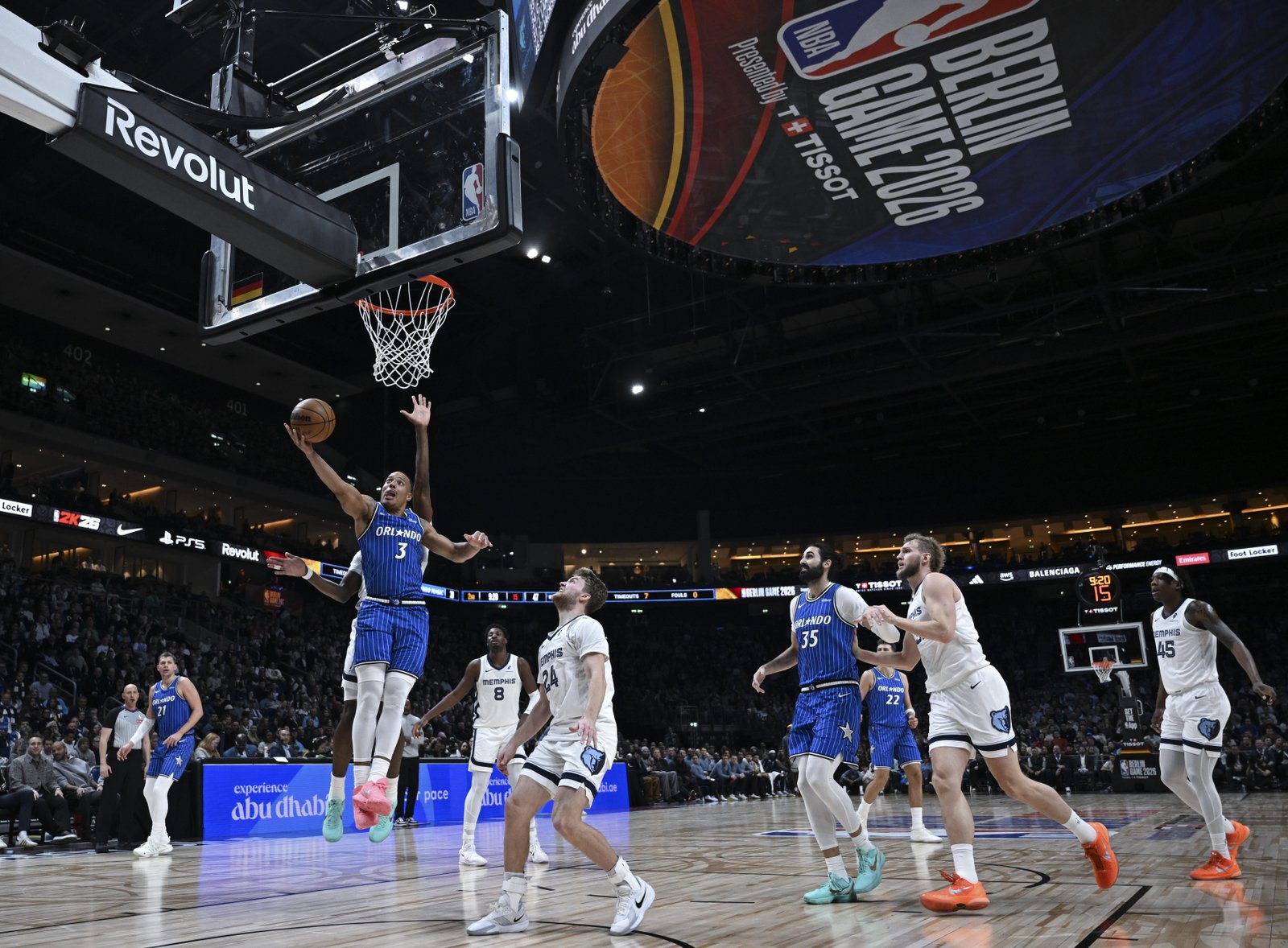
The National Basketball Association and the International Basketball Federation say they remain committed to building a new basketball competition in Europe despite opposition from EuroLeague shareholders. The response came after EuroLeague rejected a proposed partnership at a recent meeting. The disagreement shows how difficult it may be to create a new league in a region where clubs already have strong histories, commercial ties and established competitions.
The NBA has been exploring ways to expand its presence in Europe, where basketball has a large following and many talented players. A new competition could bring more investment, improve marketing and create a clearer route for clubs to reach a wider audience. Working with FIBA, the sport’s international governing body, could also help connect the project with national leagues and existing basketball structures.
EuroLeague is already one of Europe’s leading club basketball competitions. Its teams attract large crowds and have loyal supporters, while its commercial system has developed over many years. Shareholders may be concerned that a new league could compete for players, sponsors, television deals and fans. Rejecting the proposal therefore reflects a dispute over how European basketball should grow and who should control its future.
The NBA and FIBA have argued that a new competition could offer fresh opportunities for clubs and players. The NBA has a global brand and experience in building sports entertainment, while FIBA has links with national federations and international competitions. A partnership could combine those strengths, but it would still need to convince clubs that joining the project would be worth the risk.
One major challenge is the existing calendar. European teams already compete in domestic leagues, cup competitions and international tournaments. Adding a new league could create scheduling conflicts and increase travel for players. Clubs would need to decide whether they could take part without weakening their domestic commitments or placing too much pressure on athletes.
Money will also be a central issue. A new competition would need strong broadcasting deals, sponsors and ticket sales to cover its costs. The NBA’s brand may help attract interest, but European basketball has its own traditions and fan expectations. The organizers would need to show that the new league could support clubs over the long term rather than relying only on the excitement of its launch.
The disagreement could also affect the balance of power in European basketball. If a new competition attracts leading clubs and players, EuroLeague may face pressure to change its own structure. If established clubs refuse to join, the new project could struggle to gain credibility. The outcome will depend on how many teams support the plan and whether the organizers can offer a clear financial and sporting benefit.
For players, a new league could create more opportunities but might also increase the number of games and travel demands. Teams would need to protect player health and ensure that competition schedules remain manageable. Fans, meanwhile, may welcome more high-level basketball but could become frustrated if rival leagues divide the strongest teams.
The NBA FIBA Europe plan remains alive, but the rejection from EuroLeague shareholders shows that major obstacles remain. The project will need to win support from clubs, broadcasters and national basketball organizations before it can become a lasting part of the sport. The next stage will be about negotiation and building a model that can work alongside existing competitions. European basketball may be ready for change, but any new league will have to prove that it adds value rather than simply creating another rivalry.