

Organisers of the 2027 Asian Cup in Saudi Arabia say preparations for the football tournament remain on schedule despite growing security concerns across the region. The competition is due to begin in January, and officials say work on venues and event planning continues. However, recent attacks have raised questions about whether the tournament can take place safely if the situation deteriorates.
The Asian Cup is one of the largest events in international football in Asia. It brings together national teams, players, staff and supporters from across the region. Hosting the tournament can attract visitors and investment, but it also requires strong planning for transport, accommodation, crowd management and security.
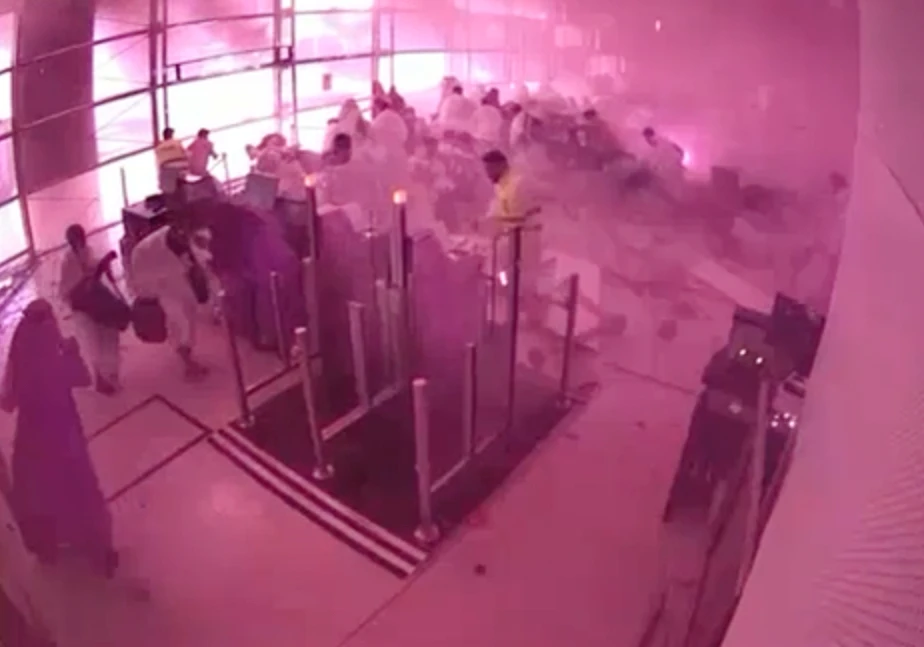
The recent violence has increased concern among some football organisations and players. Attacks attributed to Yemen’s Houthi movement have reportedly struck important locations in Saudi Arabia, including airports and oil facilities. The incidents have raised questions about the safety of teams and fans travelling to the country.
South Korea’s professional football players’ association has called for careful attention to the risks. Players and officials need clear information about security arrangements before committing to travel. A major international event depends on confidence that teams can compete and supporters can attend without facing unreasonable danger.
The Asian Football Confederation has said that preparations continue, while acknowledging that circumstances may change. Officials are expected to monitor developments before making a final decision about whether the tournament needs to be moved or delayed. Any change would affect teams, broadcasters, sponsors, ticket holders and host cities.
Moving or postponing a major tournament would create practical challenges. Teams have to arrange training camps and travel, while fans may have booked flights and accommodation months in advance. Organisers would also need to review contracts and scheduling with clubs and leagues. Yet safety remains the central issue when the risks are serious.
Saudi Arabia has invested heavily in sport and has sought to host major international events. The Asian Cup would be another important opportunity to bring global attention to its football facilities. However, the latest developments show how regional conflict can affect plans far beyond the immediate areas where violence occurs.
For now, organisers are continuing their preparations while watching the security situation. A final decision may depend on whether the threat can be managed and whether teams and supporters can be protected. The tournament remains planned for January, but the coming weeks will be important in deciding whether that schedule can be maintained.
The situation highlights the difficult balance between keeping major sporting events on track and responding responsibly to changing security conditions. Football can bring countries and communities together, but organisers must ensure that the safety of players, staff and fans comes before the timetable.