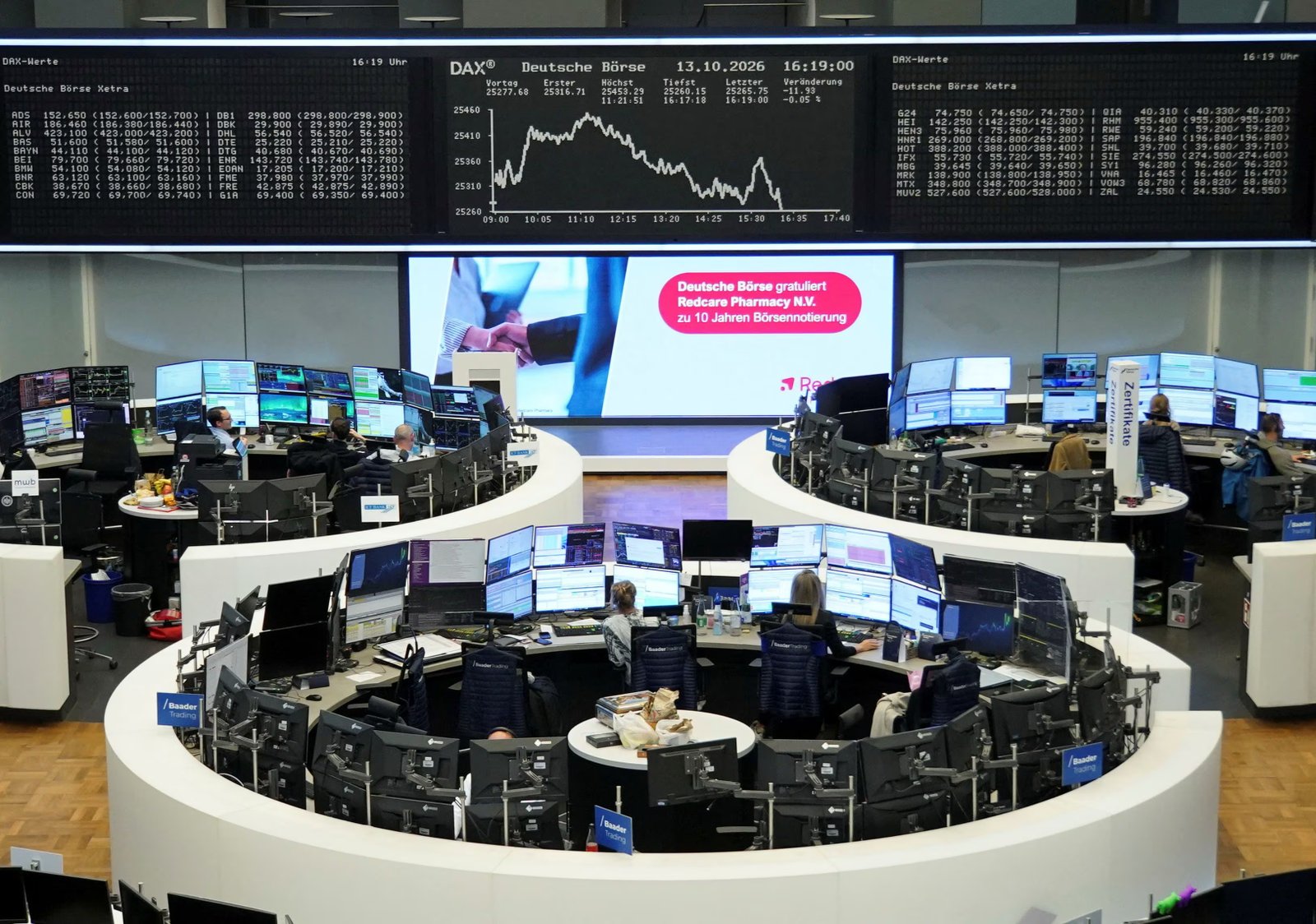



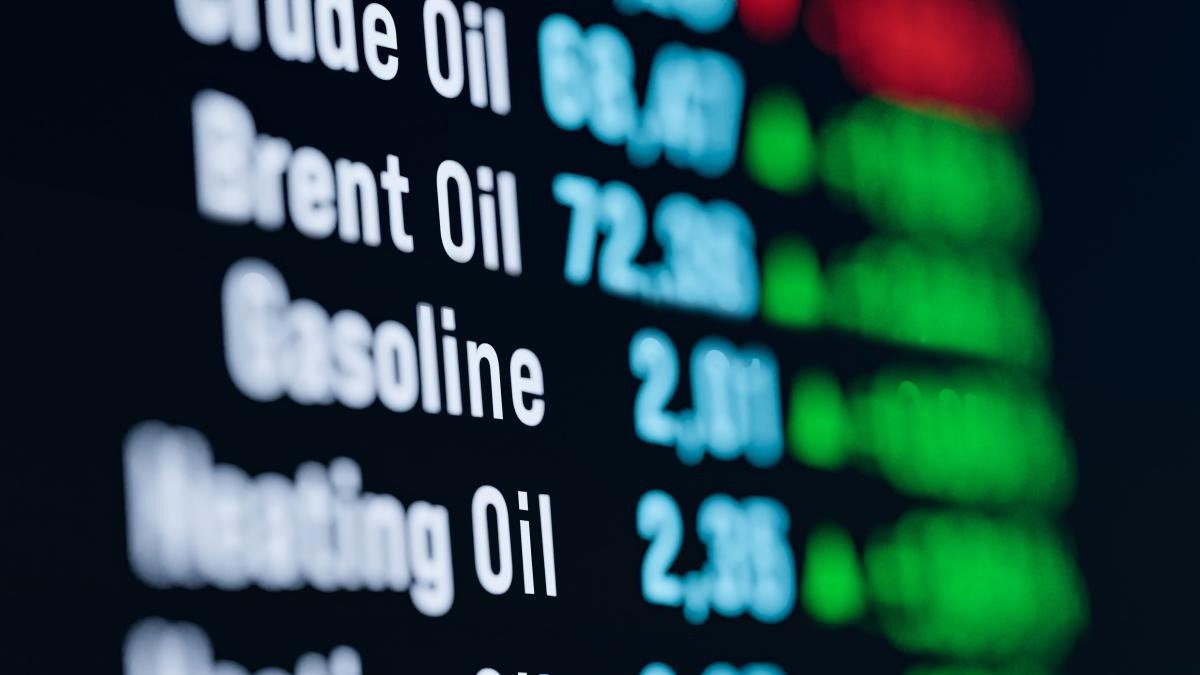
Rising oil prices are adding to concerns about the cost of living across Europe as households and businesses prepare for colder weather. Brent crude moved towards $110 a barrel on Saturday amid fears that conflict in the Middle East could disrupt energy supplies. The rise may affect transport, heating and the cost of producing everyday goods.
Energy prices influence many parts of the economy. Higher fuel costs can increase the price of moving food from farms to shops and shipping materials to factories. Businesses may then raise prices to protect their margins. For households already dealing with expensive rent and food, another increase can leave less money for other needs.
The effect will not be the same in every country. Some governments have more room to provide support, while others face high public debt and limited budgets. Countries that depend heavily on imported energy may be especially exposed when global supplies become uncertain.
Central banks are also watching the situation closely. If energy prices push inflation higher, policymakers may be less willing to cut interest rates. Higher rates can make mortgages, business loans and credit more expensive. That can slow investment and reduce spending, even if the original shock comes from events far outside Europe.
Governments have several options to help households, including targeted payments and temporary relief on bills. But broad subsidies can be costly and may encourage people to use more energy when supplies are tight. Policymakers must balance immediate support with the need to keep public finances stable.
Businesses can respond by improving efficiency, reducing waste and securing energy contracts where possible. Some may invest in renewable power or equipment that uses less fuel. These changes can lower exposure over time, but they require money and may not protect firms from a sudden price spike.
The latest rise shows why energy security remains a major issue for Europe. Diversifying supply, improving infrastructure and reducing dependence on imported fossil fuels can help limit future shocks. However, these changes take years, while households need affordable energy now.
If conflict continues to threaten production and shipping, prices may remain volatile. European governments will need to watch the impact on inflation and vulnerable households while avoiding measures that create new financial problems. Reliable energy supplies remain essential for economic stability and public confidence.