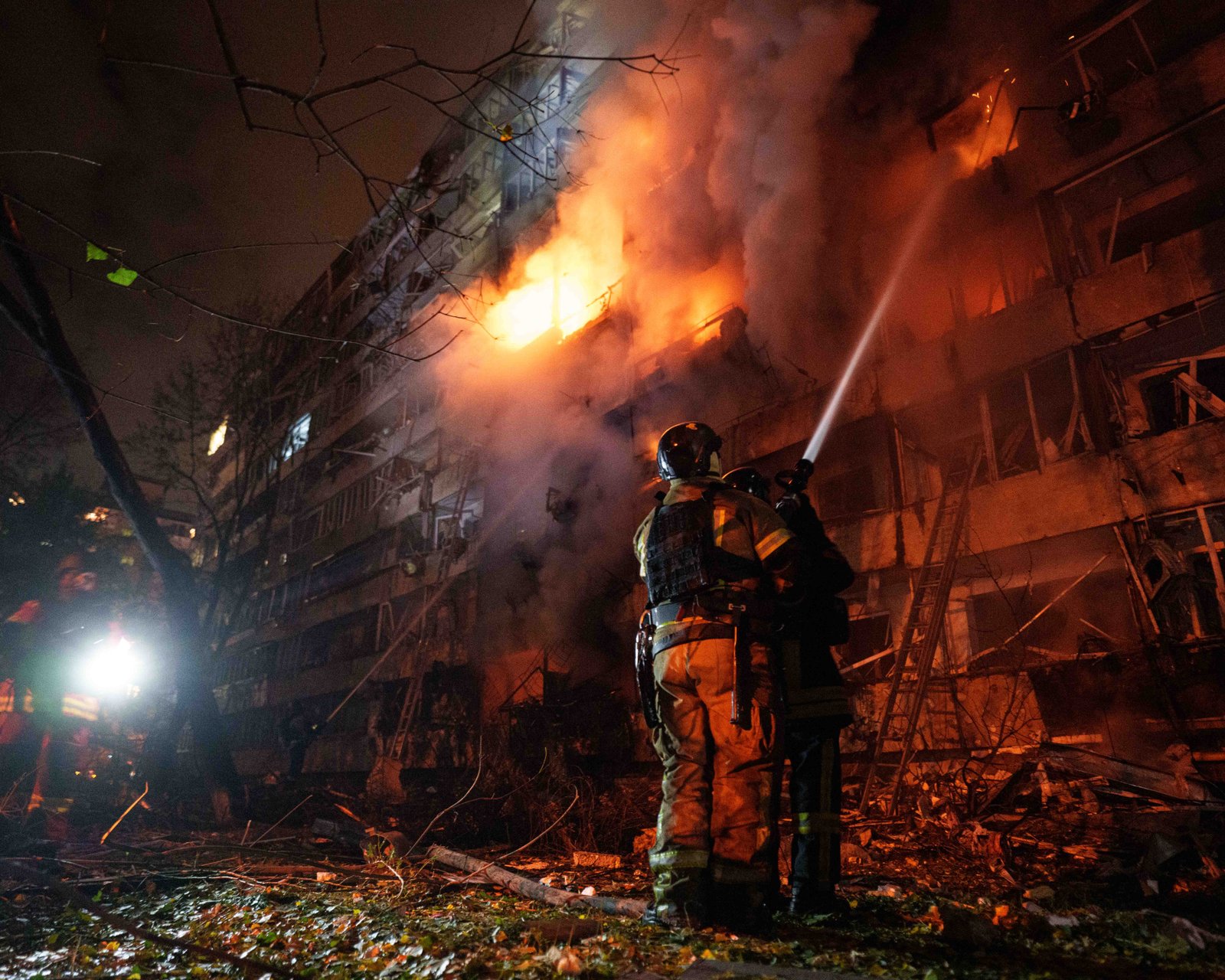



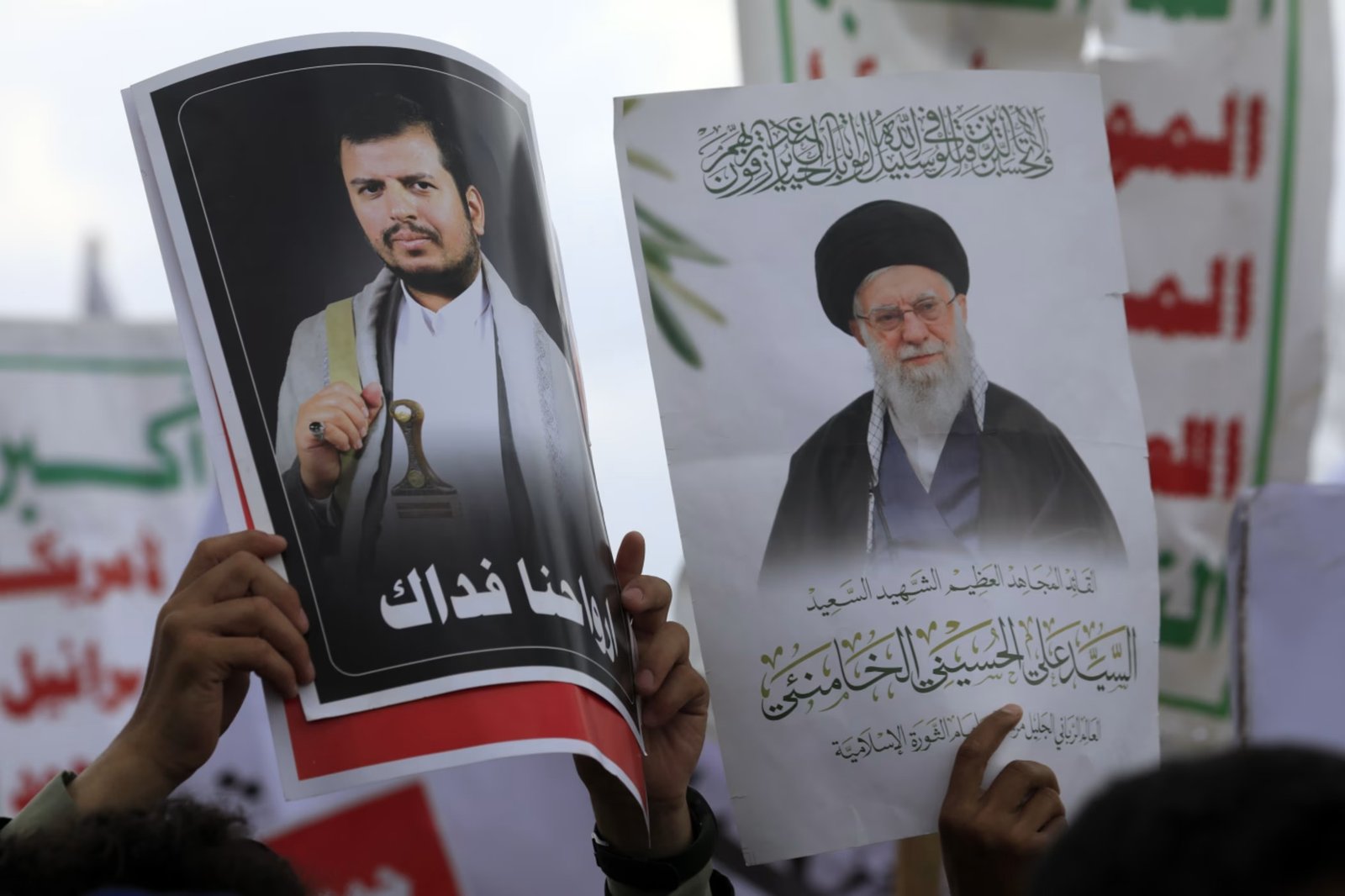
Tensions between Saudi Arabia and Iran have risen as attacks linked to Yemen’s Houthi movement increase concerns about security across the region. Saudi officials accuse Tehran of providing military support and intelligence that have helped the Houthis carry out more advanced operations. Iran and the Houthis have disputed claims about the extent of their cooperation.
The dispute matters beyond the two countries. Saudi Arabia is a major oil producer, while the surrounding region includes shipping routes that are important to global trade. Any attack on energy facilities or ports can affect supplies, raise insurance costs and push oil prices higher. The risk of wider conflict can also make businesses and governments more cautious.
Saudi Arabia and Iran restored diplomatic relations in 2023, creating hope that dialogue could reduce regional tensions. However, the relationship remains fragile because the countries support different groups and hold competing interests in several conflicts. The latest allegations show how difficult it can be to separate diplomatic progress from security disputes.
The Houthis have fought Yemen’s internationally recognised government for years and have used missiles and drones in attacks on targets beyond Yemen. Saudi Arabia has been involved in the conflict and views the group as a direct security threat. Iran’s role has become a central issue in regional diplomacy, with governments disagreeing over how much control Tehran has over Houthi decisions.
Diplomatic efforts face several challenges. Saudi Arabia wants protection against future attacks, while Iran rejects accusations that it directs the group’s actions. Any lasting settlement would need to address weapons, border security, political representation and the future of Yemen’s divided institutions.
The threat to shipping is another concern. Attacks near major sea routes can force vessels to change course or delay journeys. That can raise the cost of fuel, food and other goods. Energy markets may react even before a major supply disruption occurs because traders try to account for the risk of further attacks.
Regional governments have reasons to avoid a wider war. Military escalation could damage infrastructure, harm civilians and weaken efforts to restore stability. At the same time, leaders may face domestic pressure to respond firmly when attacks occur.
The path forward will depend on whether governments can maintain communication and agree on practical steps to reduce violence. Diplomacy alone cannot resolve every dispute, but without it, the risk of miscalculation may grow. The latest tensions underline the need for clear security arrangements and sustained regional engagement.