

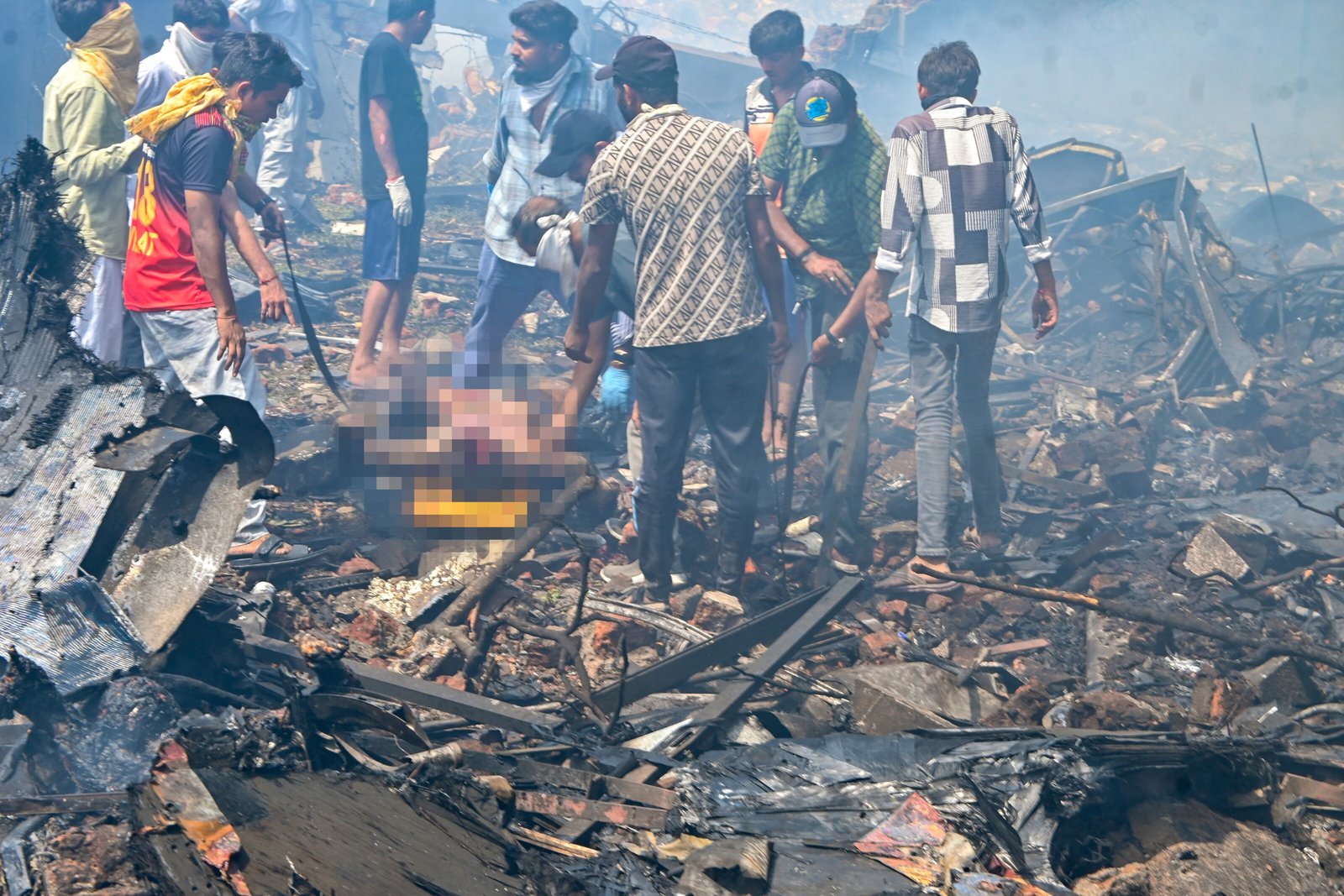
Two people died after entering a sewage treatment plant catchpit for welding work in Ahmedabad, according to a report published on October 27. Police began investigating the incident to establish how the deaths occurred and whether safety procedures were followed. The case has renewed attention on the dangers faced by workers who enter confined spaces at industrial and public utility sites.
Catchpits and other enclosed spaces can contain hazards that are not obvious from outside. Dangerous gases, low oxygen levels, toxic substances or a sudden change in conditions can make it difficult for workers to remain conscious or escape. Welding work can add further risks if the site has not been properly assessed and prepared. Employers must identify hazards before allowing workers to enter such areas.
The investigation will need to establish the sequence of events and the work the victims had been carrying out. Police may examine the site, interview co-workers and supervisors, and review any available safety records. Investigators will also need to determine whether the workers had appropriate equipment and whether the site had been checked for dangerous conditions before the work began.
Confined-space work requires careful planning because a person who becomes unwell inside may be difficult to rescue. Safety procedures can include testing the air, ensuring ventilation, using suitable protective equipment and keeping a trained person outside the space. Rescue plans are important because an untrained person who enters to help may also be exposed to the same danger. These precautions can reduce risks when properly applied.
The incident also raises questions about responsibility. Employers and contractors must ensure that workers receive training and that equipment is suitable for the task. Supervisors need to check that safety measures are in place before work begins. If investigators find that required precautions were ignored, the findings may lead to further legal action. However, the cause should not be assumed before the evidence has been reviewed.
Industrial accidents can have lasting effects on families and co-workers. In addition to the immediate loss, families may face financial pressure and uncertainty about compensation or other support. Workplaces should communicate clearly with relatives and provide assistance where appropriate. A transparent investigation can help families understand what happened and identify whether changes are needed to prevent a similar incident.
The wider issue extends beyond one facility. Sewage treatment plants, maintenance sites and other industrial locations require workers to perform tasks in spaces that may carry hidden dangers. Regular safety training, proper equipment and clear emergency procedures are essential. Authorities can also use the findings of an investigation to identify weaknesses in existing practices and improve oversight.
The police probe will be important in establishing the facts and determining whether anyone failed to meet their responsibilities. Until the investigation is complete, the precise cause of the deaths remains uncertain. The case is a reminder that dangerous work must not begin until risks have been assessed and proper safeguards are in place. Strong safety practices can protect workers and reduce the likelihood that routine maintenance will end in tragedy.