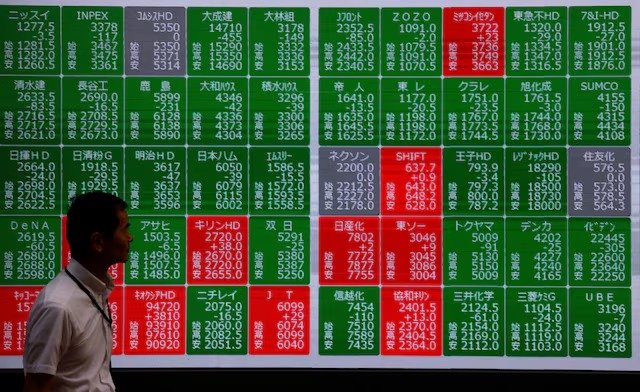



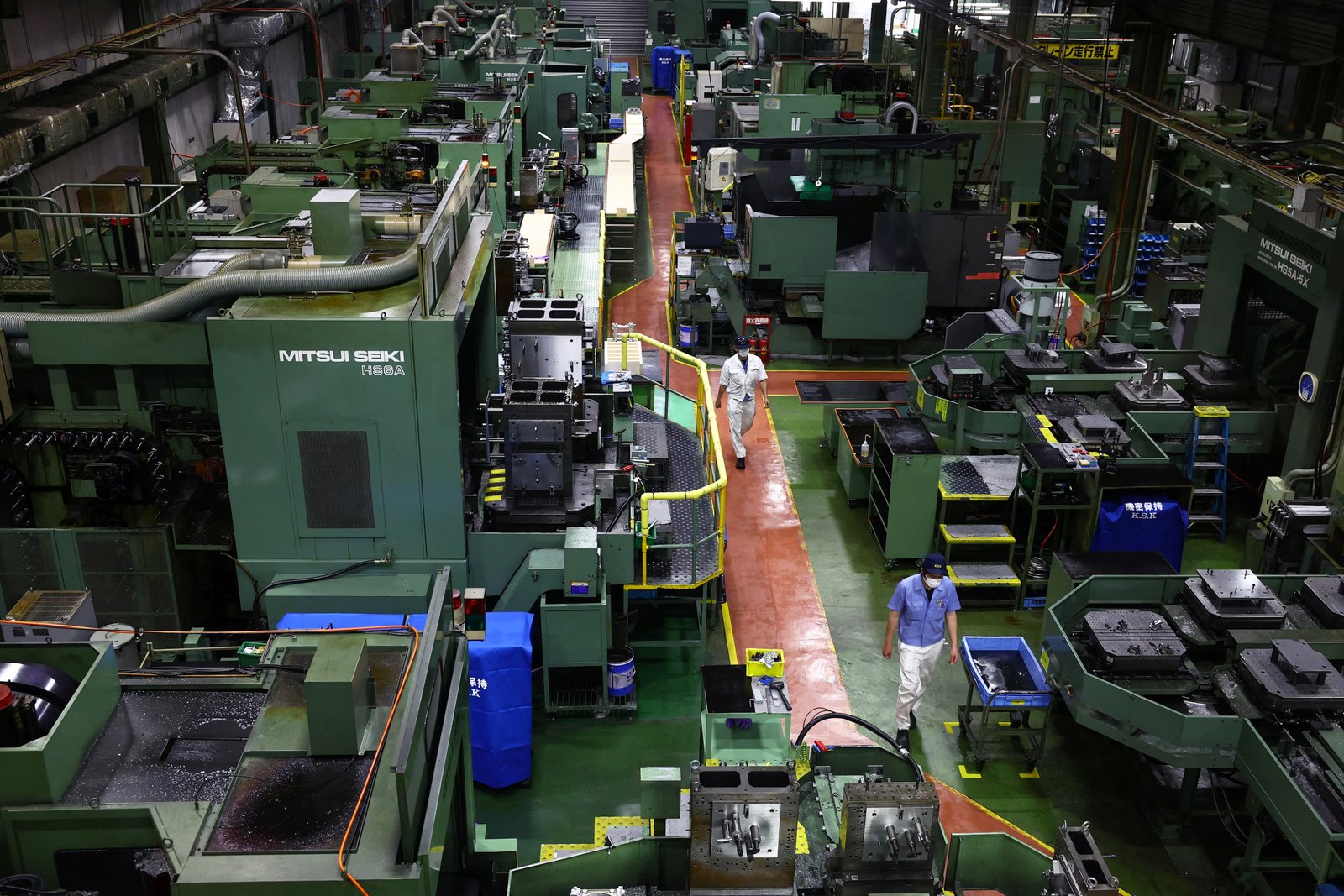
Japan’s manufacturing sector continued to expand in October, but the pace of growth slowed to its weakest level in seven months. The figures point to a more cautious outlook for factories as companies assess demand, costs and the wider global economy. Manufacturing remains an important part of Japan’s economy, and changes in factory activity can affect jobs, exports and business confidence across the country.
A slowdown does not always mean that an economy is shrinking. When manufacturing activity remains in expansion, firms may still be producing more goods than in the previous month. The concern arises when growth loses speed or when new orders begin to weaken. Companies may respond by slowing hiring, delaying investment or reducing the amount of stock they keep on hand. Such decisions can affect suppliers and workers even before the wider economy shows a clear decline.
Japan’s manufacturers operate in a global market. Many companies depend on overseas customers for cars, electronics, machinery and industrial equipment. When demand changes in major markets, Japanese factories can feel the effect quickly. Trade disputes, tariffs and uncertainty about global growth can also make customers more careful about placing orders. Businesses may wait for a clearer outlook before committing to large purchases.
Costs are another important factor. Manufacturers need energy, raw materials, transport and skilled workers to keep production running. If these costs rise faster than selling prices, profit margins can come under pressure. Companies may then look for ways to improve efficiency, adjust prices or move production to locations where costs are lower. These choices can influence both domestic employment and investment plans.
Japan has also faced long-term challenges linked to its ageing population and limited labour supply. Many firms need to improve productivity as the number of available workers changes. Automation, digital systems and new production methods can help, but they require investment and training. A period of slower growth may make some firms more cautious about spending, even when modern equipment could help them remain competitive over time.
For policymakers, manufacturing data can offer clues about the direction of the economy. Strong factory activity may support exports and business investment, while weaker demand can reduce the need for new equipment and labour. Governments and central banks monitor these trends alongside inflation, wages, consumer spending and other indicators. No single survey gives a complete picture, but a slowdown can add to concerns if it continues over several months.
The outlook will depend on whether orders improve and whether companies can manage the pressures they face. A recovery in overseas demand could help factories raise output, while stronger domestic spending could support firms that sell within Japan. However, if customers remain cautious or input costs stay high, manufacturers may continue to face a difficult balance between growth and profitability.
Japan’s manufacturing sector remains a key part of the country’s economic strength. The latest slowdown suggests that businesses are moving through a period of uncertainty rather than enjoying rapid expansion. Companies will need to watch demand closely, control costs and make careful investment decisions. For the wider economy, the next set of data will help show whether the slower pace is temporary or a sign of deeper weakness.