


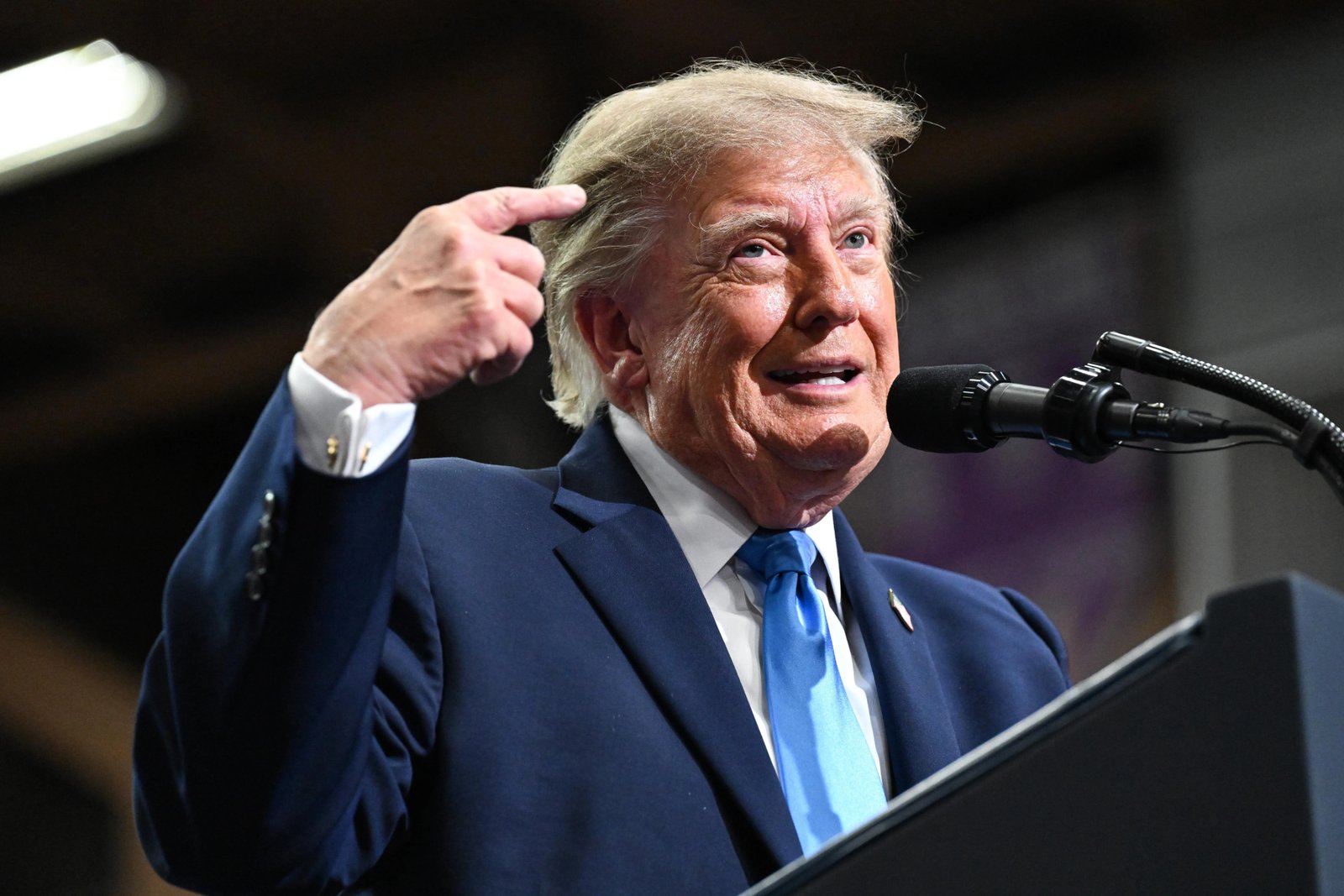
US President Donald Trump has intensified his campaign activity ahead of the country’s midterm elections, restoring several planned rallies after cancelling them earlier in the week. The decision comes as Republicans attempt to protect their narrow majorities in Congress and face growing pressure from voters concerned about the economy, immigration and the direction of the administration.
The final days of a midterm campaign can be especially important because candidates often use them to strengthen support among voters who have not yet made a decision. Trump’s planned appearances are intended to energise Republican supporters and encourage turnout in competitive states. His involvement also shows how closely the party’s national campaign remains connected to the president.
Republicans are attempting to defend their positions in both the House of Representatives and the Senate. Their majorities are narrow, meaning that a relatively small number of seats could determine which party controls Congress. Democrats believe they have an opportunity to gain ground, while Republican candidates are trying to persuade voters that the administration’s policies are producing positive results.
The campaign has been shaped by concerns about living costs. Many voters continue to focus on the price of housing, food, fuel and healthcare. Republicans have highlighted tax policies, manufacturing investment and efforts to support domestic industries. Democrats have argued that households are still struggling and have promised to make affordability a central part of their political agenda.
Immigration remains another major issue. The administration has presented its border policies as a central achievement, while critics have questioned enforcement methods and the treatment of people affected by immigration operations. These disagreements have become important in competitive districts, where candidates must appeal to voters with different views about border security and government authority.
Trump’s personal involvement has created both opportunities and challenges for Republican candidates. His supporters remain an important part of the party’s electoral base, but his approval ratings and political controversies can also influence voters who are unhappy with the administration. Some Republican candidates have tried to focus on local economic issues rather than making the president the centre of every campaign message.
The election will also determine how much influence Democrats may have over investigations and legislation during the remainder of Trump’s term. If they gain control of one or both chambers, they could block parts of the administration’s agenda, increase oversight of federal agencies and shape debates over government spending.
The campaign has taken place against a wider background of international uncertainty. The war involving Iran has affected energy prices and added pressure to household budgets. Foreign policy disagreements have also created questions about the administration’s priorities, while businesses and investors are watching the political outcome for possible changes in regulation and government spending.
The final rallies are therefore more than routine campaign events. They represent an effort to turn political enthusiasm into votes at a time when control of Congress remains uncertain. Republican leaders need strong turnout among their supporters, while Democrats are hoping that dissatisfaction with the administration will encourage their own voters to participate.
As election day approaches, the outcome will depend on local races, turnout and the ability of each party to persuade undecided voters. Trump’s decision to return to the campaign trail highlights the importance Republicans place on his political influence. The results will provide a major test of public opinion on the president and the direction of US politics.