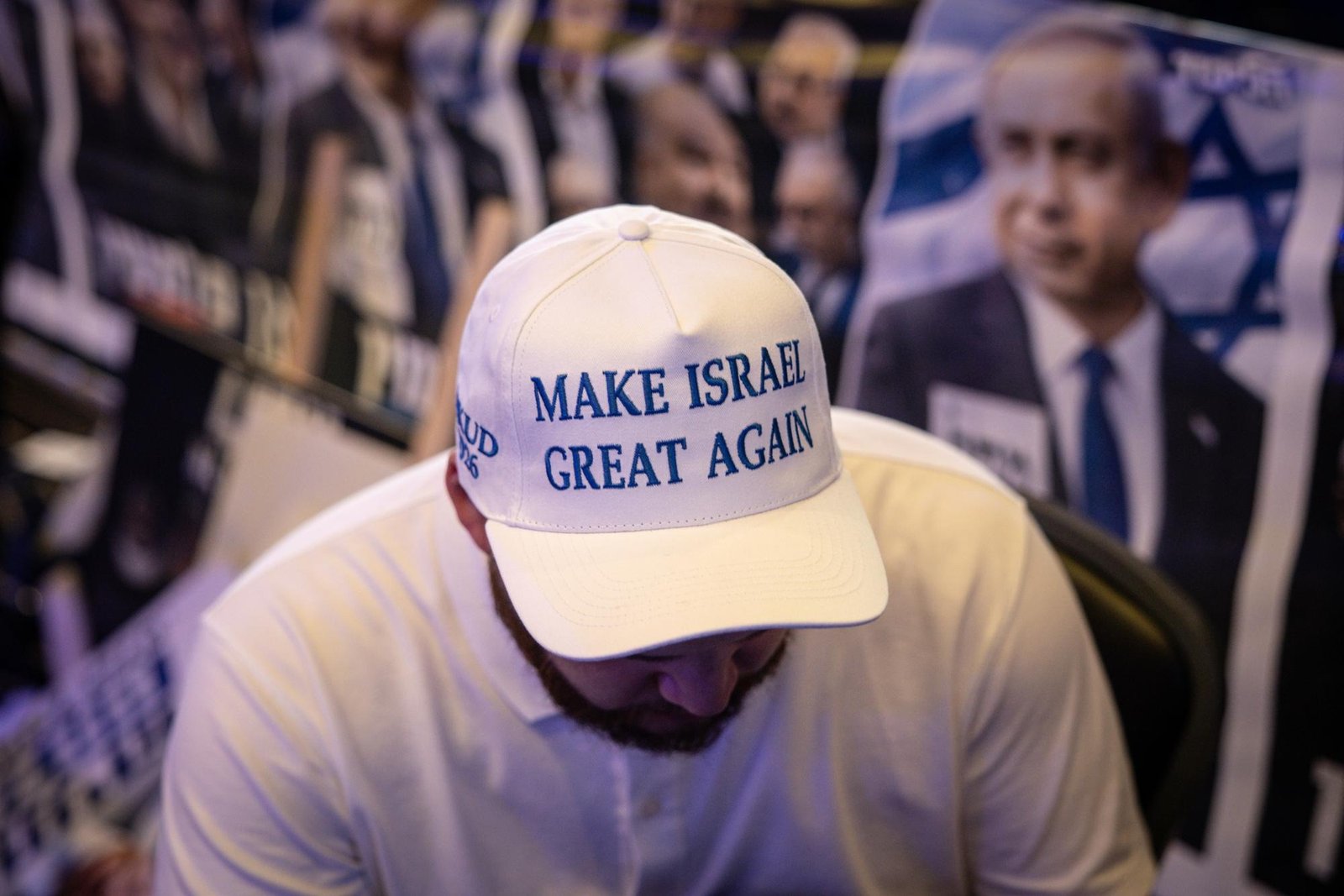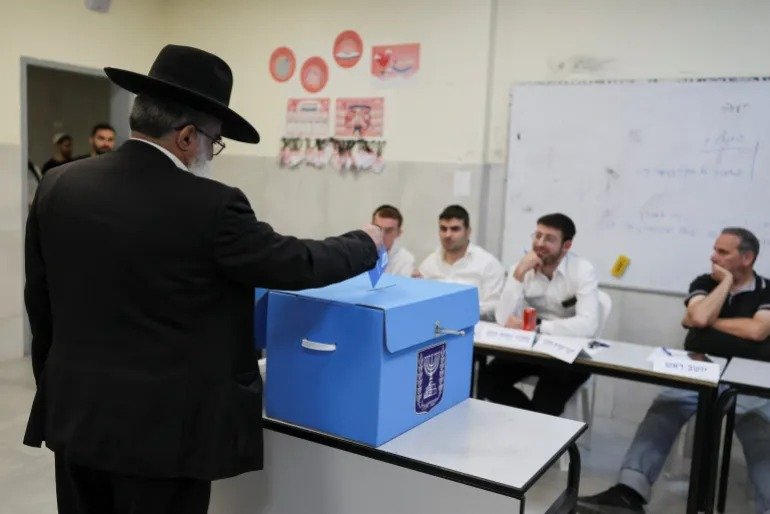


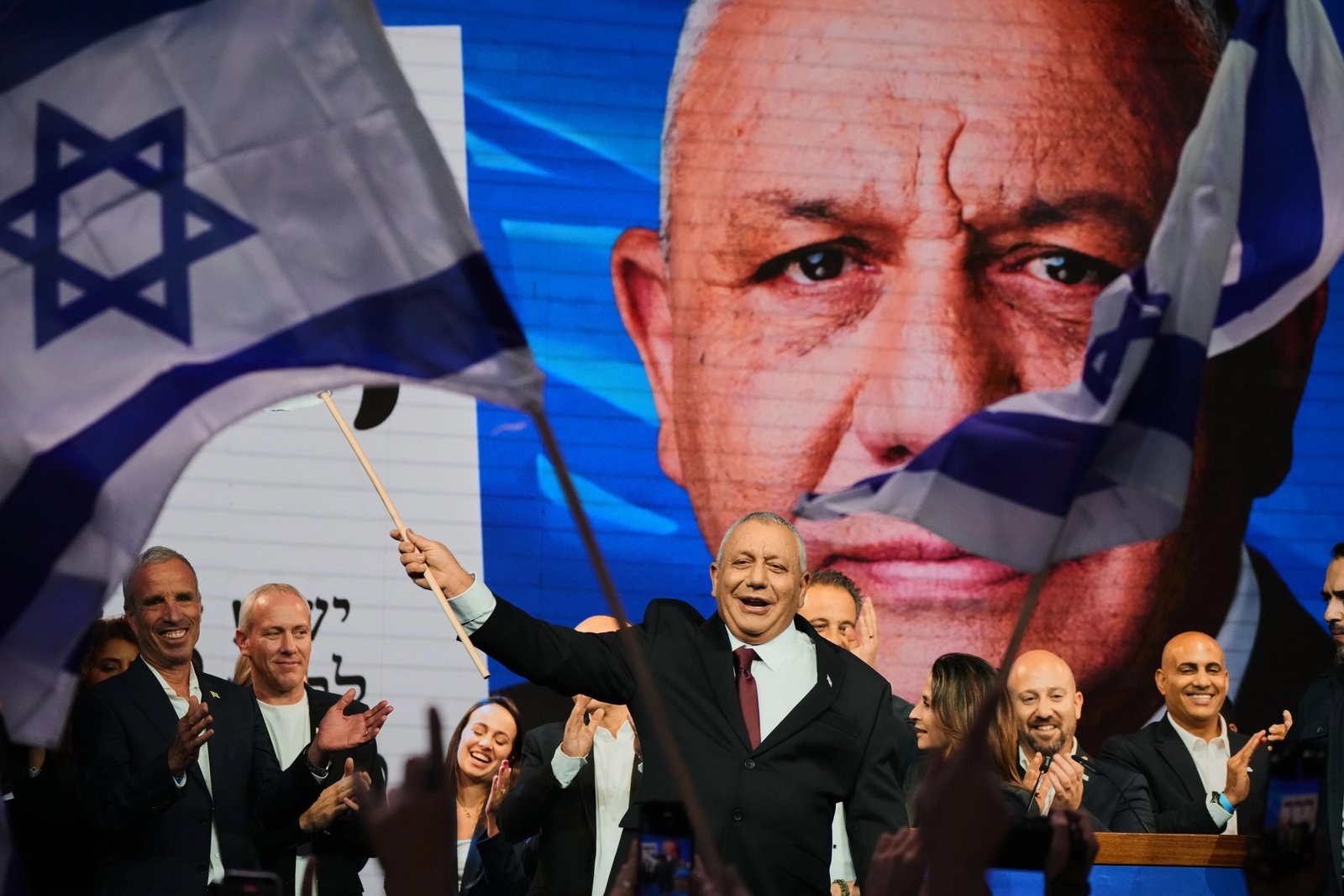
Israel’s closely contested election is creating uncertainty over the country’s political future and the shape of its next government. The result has important consequences for domestic policy, national security and relations with the United States. Benjamin Netanyahu remains a central figure in the political contest, but the final parliamentary balance will determine how easily his allies can form a government. In Israel’s parliamentary system, even a strong showing by one party may not be enough to secure a governing majority.
Coalition building is a defining part of Israeli politics. Parties often need to negotiate with smaller groups to reach the number of seats required to govern. These discussions can involve disagreements over military policy, religious affairs, public spending and the rights of different communities. The parties may share some goals while holding sharply different views on other issues, making negotiations difficult and sometimes lengthy.
The election is taking place after years of conflict and intense debate about the government’s security decisions. The attacks of October 7, 2023, and the war that followed have continued to shape political discussion. Supporters of Netanyahu argue that experienced leadership is needed during a period of regional danger. Opponents have questioned the government’s handling of security and whether its approach can provide lasting stability.
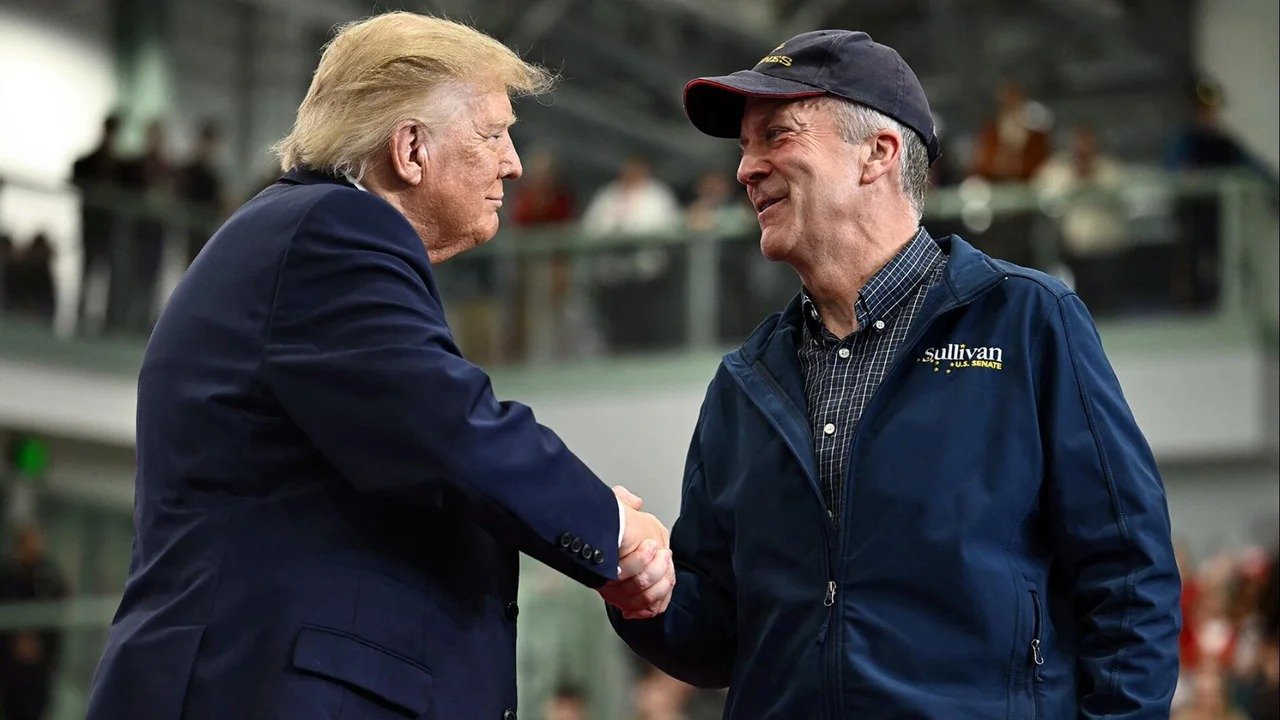
Relations with Washington are another important factor. The United States remains a major security partner for Israel, and changes in the Israeli government can influence discussions about military support, regional diplomacy and the future of the conflict. President Donald Trump has his own political priorities and expectations, meaning that a prolonged period of uncertainty in Israel could complicate efforts to coordinate policy.
The outcome will also affect how the government responds to economic pressures and social divisions. Voters have different priorities, ranging from the cost of living and public services to military policy and religious questions. A coalition must balance those demands while maintaining enough support in parliament to pass legislation and manage national crises.
The official results and subsequent negotiations will be essential to understanding what comes next. If no clear majority emerges, party leaders may need to make compromises or consider alternative arrangements. Such negotiations can create uncertainty for businesses and public institutions, particularly when major policy decisions are delayed.
The election is therefore more than a contest between political personalities. It is a test of public confidence after a period of conflict and deep division. The next government will face pressure to provide security, address domestic concerns and manage relations with international partners. Whether it can do so effectively will depend not only on the final seat count but also on the stability of the coalition it forms.