


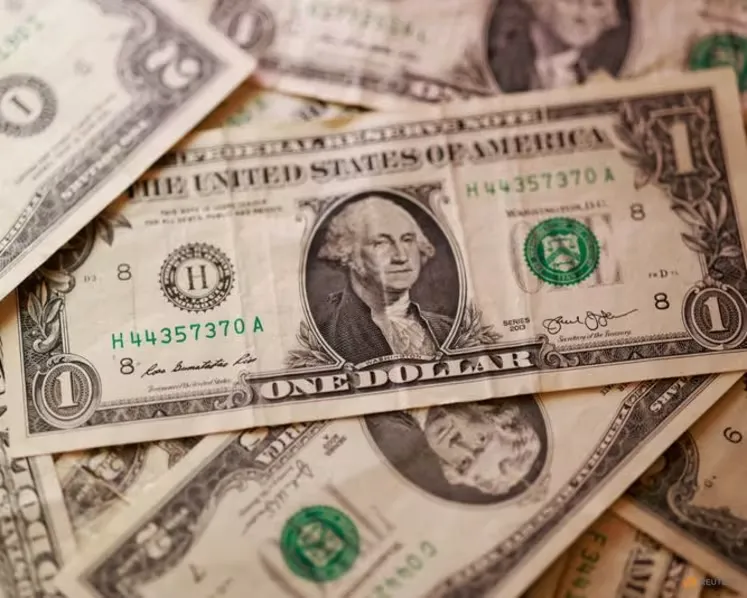
The US dollar weakened as oil prices fell and investors considered the possibility of a diplomatic breakthrough between Washington and Tehran. Financial markets were also preparing for the US midterm elections and a busy week of economic announcements from major central banks. The dollar moved alongside changing oil prices as traders assessed whether lower energy costs could reduce inflation pressure and influence future interest rate decisions. The latest market movement came after crude prices recorded a sharp decline during the previous session, following signs that contacts between the United States and Iran over their conflict were continuing.
Brent crude futures fell by more than 7% on Monday, marking one of the largest single-day drops in recent months. The decline followed reports that Tehran’s contacts with Washington aimed at ending the eight-month war were continuing. Lower oil prices can reduce costs for businesses and consumers, particularly in countries that depend heavily on imported energy. They can also influence expectations for inflation because fuel is an important part of transport, manufacturing and distribution costs. However, traders remain cautious because diplomatic progress does not automatically guarantee a lasting agreement or a stable energy supply.
The decline in energy prices also affected government bond markets. Falling oil prices helped ease concerns that inflation could remain high for longer, contributing to lower yields on longer-term US Treasury securities during the previous session. The yield on the 10-year Treasury note was around 4.91%, while the 30-year yield stood near 5.29%. Both had reached their lowest levels in almost two months before stabilising. Bond yields matter because they influence borrowing costs across the economy, including mortgage rates, business loans and the financing available to governments.
The dollar index, which measures the US currency against a group of major currencies, traded slightly lower at around 101.76 after reaching a one-month low on Monday. The euro strengthened modestly to approximately $1.1185, while the Japanese yen remained close to 157.9 per dollar during a local market holiday. Currency movements can change quickly when investors adjust their expectations about interest rates, economic growth and international risks. A weaker dollar can make US exports more competitive, but it can also make imported products more expensive for American consumers and companies.
The currency market has not moved in one clear direction because several risks are competing for investors’ attention. Lower oil prices may reduce demand for the dollar as a safe-haven asset, but concerns about artificial intelligence-related stock losses have encouraged some investors to remain cautious. The US midterm elections are another source of uncertainty. Political developments can affect expectations about government spending, regulation and economic policy, especially when the outcome may change the balance of power in Congress. Investors are therefore watching both the energy market and the political situation before making major decisions.
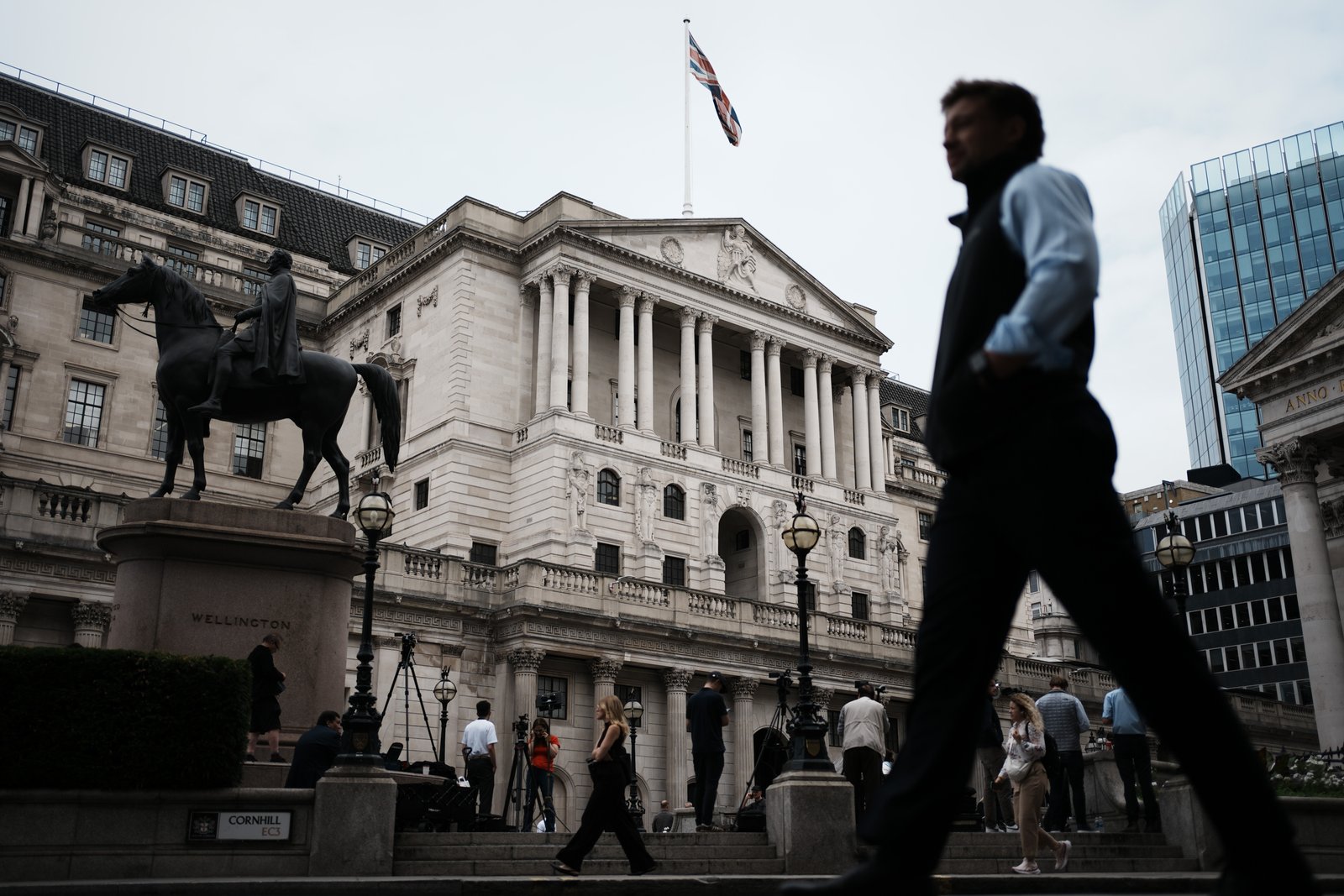
Central bank meetings are adding another layer of attention. Policymakers in Australia, Britain, Norway and Sweden are scheduled to issue decisions or statements during the week. Australia’s Reserve Bank was expected to raise its official cash rate by 0.25 percentage points to 4.85%, which would place borrowing costs at their highest level since December 2008. Economists were also expecting the Bank of England to consider an increase from 3.75% to 4%. These decisions could influence the value of their currencies and the direction of international investment flows.
The Australian dollar was trading close to $0.70, while the New Zealand dollar remained near $0.56. Sterling gained slightly after manufacturing data showed stronger output growth in Britain at the beginning of the final quarter. The figures offered some support to the pound, although investors remained focused on the expected central bank decision. Changes in interest rates can affect currency values because higher returns may attract international investors, while expectations of slower growth can have the opposite effect.
For now, the dollar’s direction depends on how investors balance falling energy prices against political and technology-related uncertainty. A lasting agreement between Washington and Tehran could further reduce pressure on oil markets, but renewed tensions could quickly reverse the recent movement. Central bank decisions and US election results may also create fresh volatility. Businesses that trade internationally will be watching currency movements closely because changes in exchange rates can affect the cost of imports, export earnings and financial planning. The latest decline shows how quickly global markets can respond when diplomatic developments and economic expectations change at the same time.