
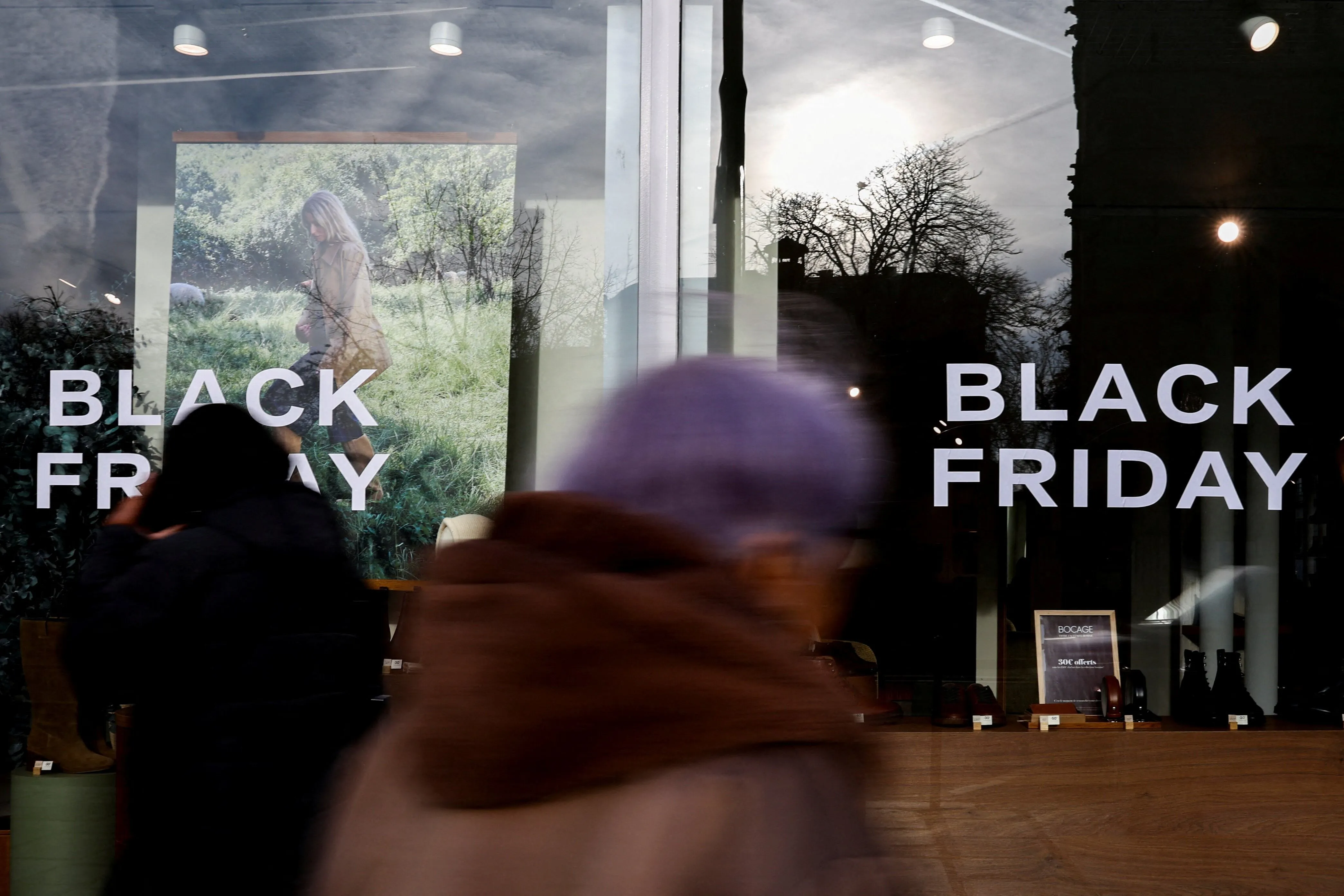
Black Friday has arrived with retailers hoping for strong sales, but this year’s shopping season is taking place under pressure from higher prices and changing consumer habits. Businesses have promoted discounts throughout November, with many stores launching offers weeks before the traditional shopping day. Although Black Friday remains one of the biggest events in the retail calendar, the early start to the sales period has changed how shoppers approach the holiday season.
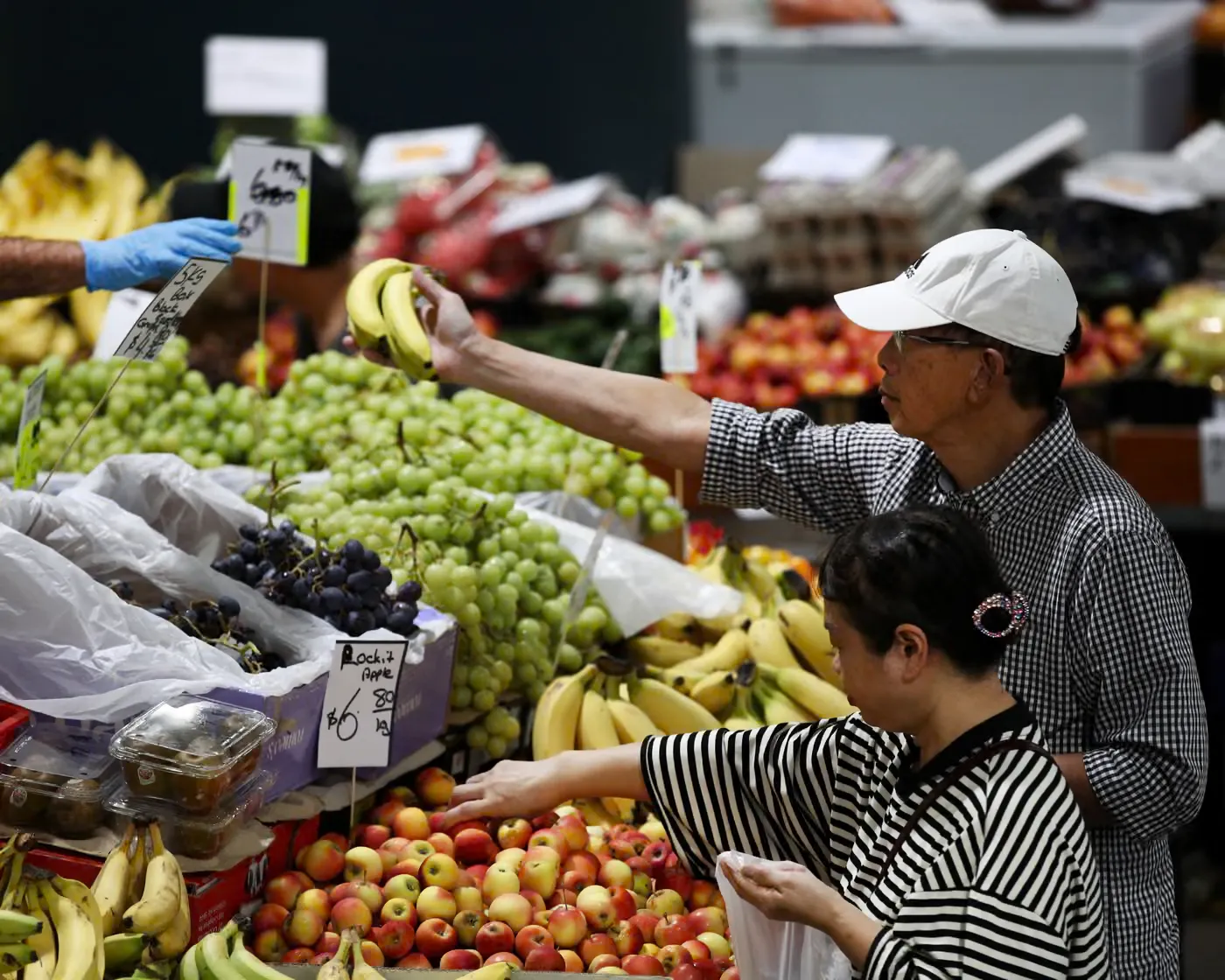
Consumers are showing greater interest in practical purchases alongside traditional gifts. Discounted household products, clothing, electronics and children’s toys are competing for space in shopping baskets as families try to manage their budgets. Some shoppers are using the sales to buy essential products at lower prices rather than spending mainly on luxury items. Retailers are therefore trying to attract customers with discounts that offer clear savings while encouraging people to purchase more than one product.
Artificial intelligence is also playing a larger role in the shopping experience. Consumers can use digital tools to compare prices, search for products, review different styles and check delivery options. These services may make it easier to find suitable offers, but they also create new challenges for retailers competing for customers’ attention. Companies are increasingly using technology to personalise advertisements and recommend products, while shoppers are becoming more comfortable using automated tools to make purchasing decisions.
Economic conditions remain an important concern for the retail industry. Higher living costs and inflation have made some consumers more cautious, even as forecasts suggest holiday spending could rise compared with last year. Analysts expect part of that increase to reflect higher prices rather than a major rise in the number of products purchased. Retailers will be watching sales closely to see whether strong discounts can encourage spending without reducing profits too sharply. The results could provide an early indication of how confident American households feel about the economy heading into the end of the year.