

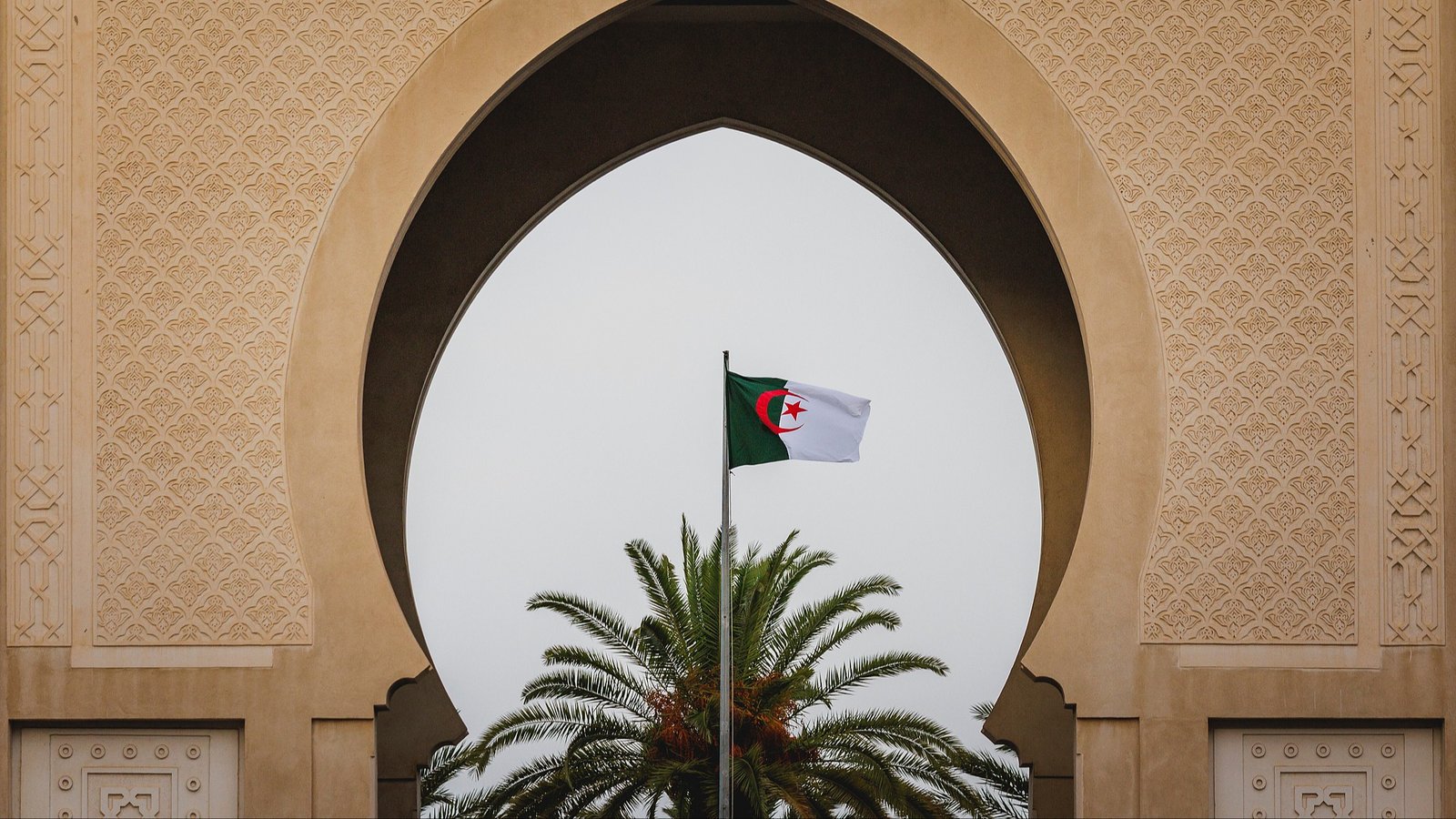
In a significant diplomatic rupture, Algeria cuts diplomatic ties UAE relations entirely this week, simultaneously banning Emirati civilian and military aircraft from Algerian airspace while citing what officials described as provocative and hostile acts by the Gulf nation.
Algerian officials stated that commercial flights to Algiers would remain exempt from the airspace ban until the end of 2026, providing a transitional period that limits immediate disruption to existing travel arrangements while still signaling the seriousness of the broader diplomatic break.
This dramatic escalation represents one of the more significant diplomatic ruptures between North African and Gulf states in recent years, reflecting underlying tensions that have apparently developed beyond the point where normal diplomatic engagement could continue effectively.
Algerian authorities have not detailed the specific incidents prompting this decision, though references to provocative and hostile acts suggest accumulated grievances rather than a single triggering event, indicating tensions that likely developed over an extended period.
Emirati officials have not yet issued comprehensive public response to this diplomatic break, leaving uncertainty about whether reciprocal measures might follow or whether Abu Dhabi will pursue efforts to eventually restore normal diplomatic relations with Algeria.
Regional analysts note that Gulf states and North African nations have developed increasingly complex relationships in recent years, with various competing interests across economic, political, and security dimensions sometimes creating friction between countries that historically maintained working relationships.
The airspace ban carries practical implications beyond symbolic diplomatic significance, potentially affecting flight routing for Emirati carriers operating routes that would normally transit Algerian airspace, requiring longer alternative paths that increase fuel costs and flight times.
Economic relationships between the two countries, while not among either nation’s most significant trading partnerships, will likely face disruption following this diplomatic break, affecting businesses with operations or investments spanning both countries.
International mediation efforts may eventually emerge addressing this dispute, given various regional organizations’ interests in maintaining functional relationships among member states, though the apparent depth of current tensions suggests resolution may require considerable time.
This development adds to a complex regional diplomatic landscape already featuring multiple ongoing tensions, including conflicts involving various Middle East nations and broader regional realignments affecting traditional alliance structures throughout North Africa and the Gulf region.
As this diplomatic rupture takes effect, regional observers will monitor whether tensions escalate further or whether mediation efforts eventually produce reconciliation. For now, this break represents a notable disruption to relations between two significant regional players.